Quick Answer: What Is PU Leather?
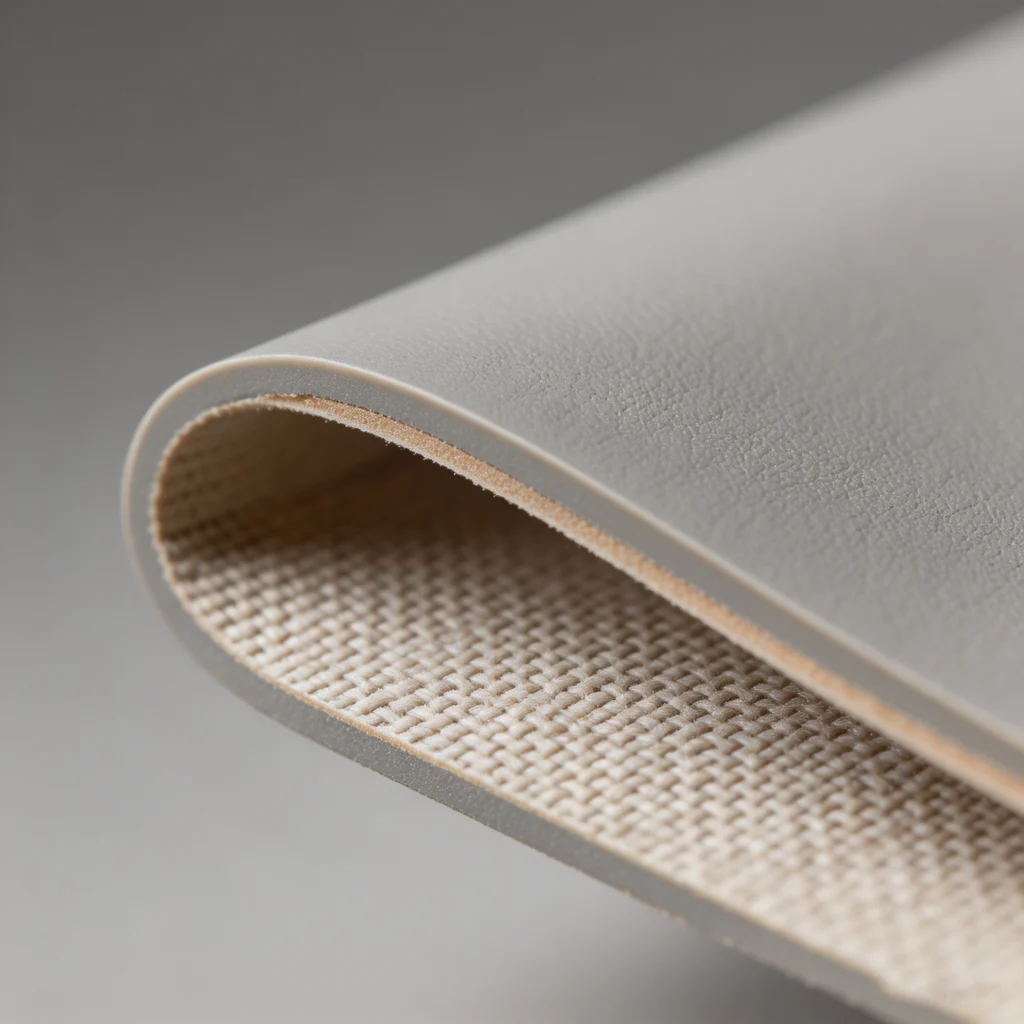
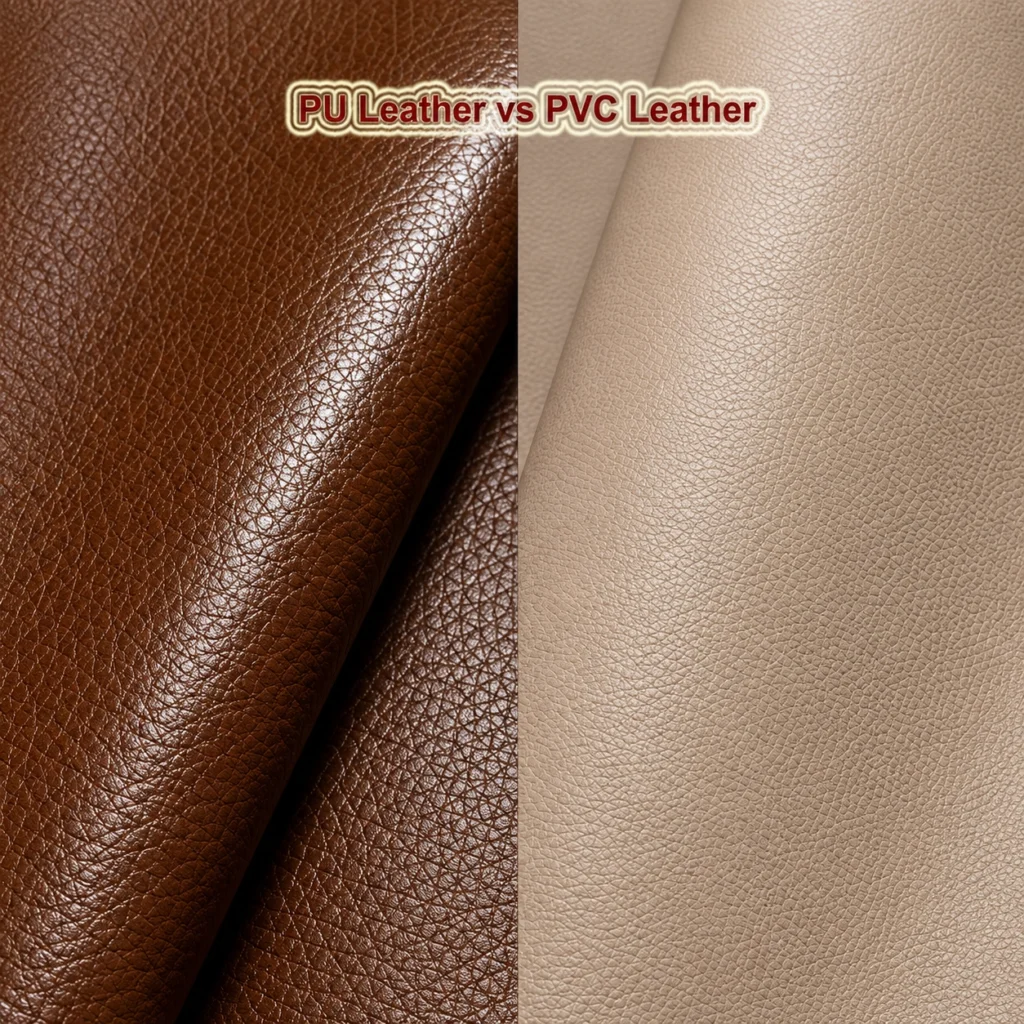
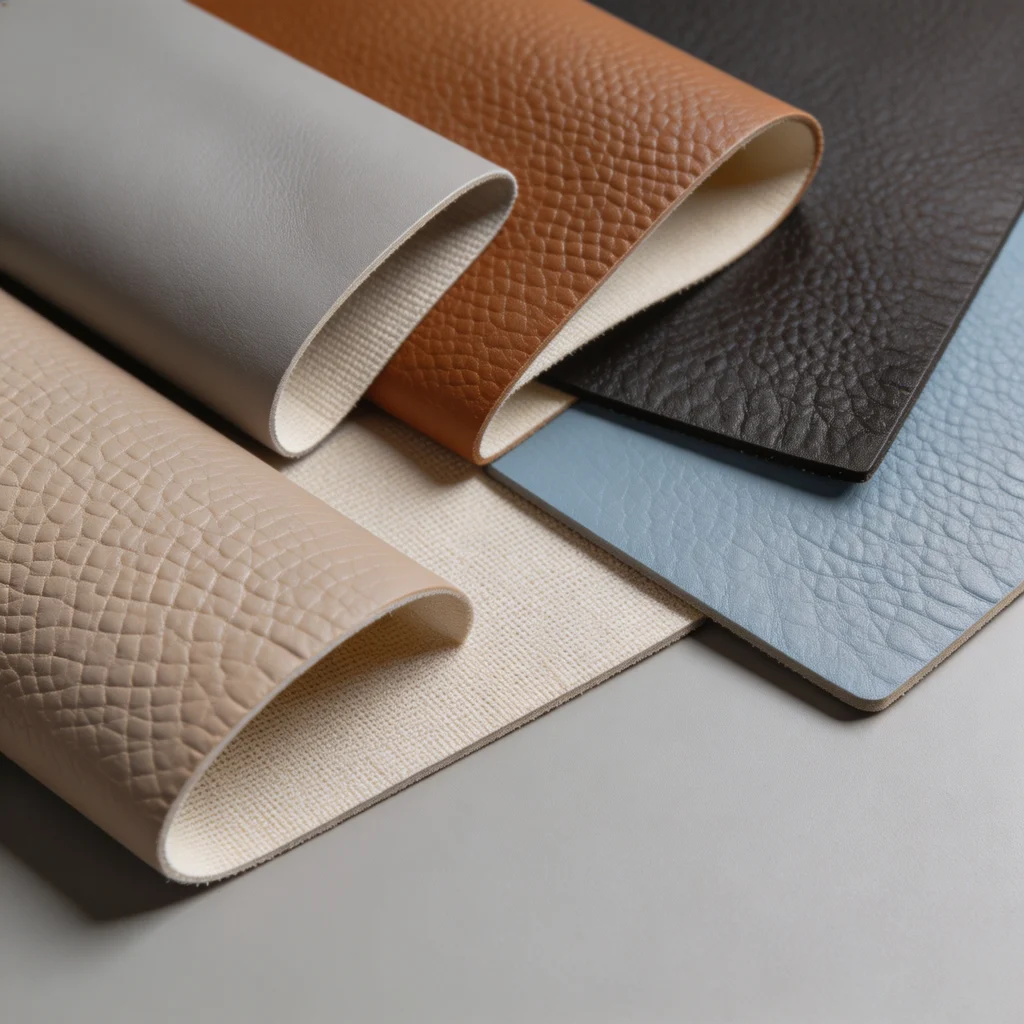
PU leather is an artificial leather material that uses polyurethane, or PU, to create the visible surface or coating system. It is commonly combined with a textile backing or supporting substrate.
For a B2B buyer, however, this definition is only the starting point.
Two materials both sold as PU leather can have very different thickness, backing fabrics, grains, surface finishes, hand feels and production behavior. This is why the words “PU leather” alone are not enough to specify a material for a bag, shoe or other manufactured product.
Polyurethane coatings are used commercially in textile and synthetic-material applications, including garments, shoe uppers and accessories. Industry references from the American Chemistry Council provide further information about polyurethane coatings used in textile applications.
The practical answer to what is PU leather in material sourcing is therefore simple: it is a material category, not a complete purchasing specification.
PU Leather Is a Material Construction, Not One Fixed Formula
Buyers sometimes imagine PU leather as one uniform plastic sheet. In practice, its construction can be more complex. If a quotation describes a microfiber base, compare microfiber leather and PU leather construction before treating the material names as interchangeable.
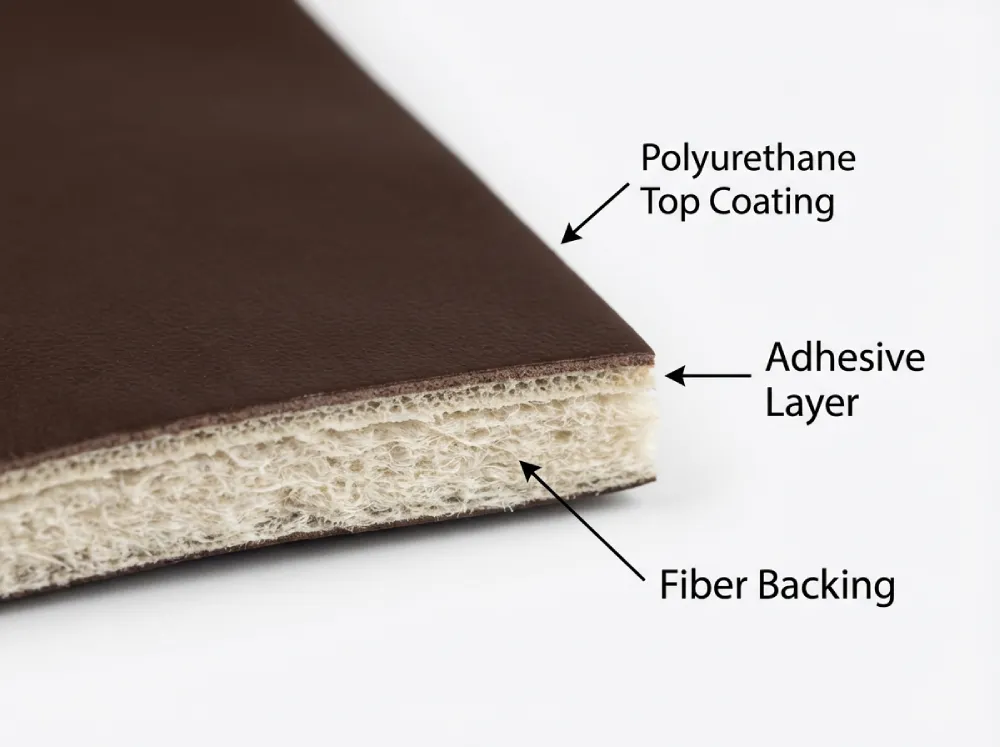
A typical textile-backed PU artificial leather may include:
- a surface coating that controls appearance and touch;
- one or more PU layers forming the visible material surface;
- a bonding layer depending on the construction;
- a woven, knitted or nonwoven backing material.
Dry-process PU leather may, for example, be produced through transfer coating, where the visible PU surface is first formed on release paper and later combined with a textile substrate. Danhon’s detailed dry process PU leather guide explains this type of material construction in more detail.
Other PU constructions can be different.
This explains why the same broad material name can describe products that feel and perform differently.
For a material buyer, the useful question is not only:
“What is this material made from?”
It is also:
“How is this particular PU leather constructed for my application?”
What Actually Changes One PU Leather Material From Another?
The surface may attract attention first, but several less visible specifications can influence whether a material works in production.
| Material Variable | What It Can Change | What Buyers Should Check |
|---|---|---|
| Thickness | Structure, flexibility, folding and edge build-up | Whether the material is too soft, stiff or bulky for the product |
| Backing fabric | Stability, stretch, support and hand feel | How it behaves during cutting, stitching, folding or lamination |
| Surface texture | Grain appearance and tactile character | Grain scale, embossing depth and appearance on the finished product |
| Surface finish | Matte, gloss and visual reflection | Marks, appearance under lighting and design compatibility |
| Hand feel | Perceived softness or firmness | Whether the touch matches the product positioning |
| Color | Product appearance and collection matching | Color on the final grain and finish, not only on a screen |
| Complete construction | Overall production behavior | How all specifications work together in the actual product |
One common sourcing mistake is evaluating these specifications separately.
For example, increasing thickness may give a material more body while reducing softness. Buyers who need to compare these differences by application can refer to Danhon’s PU leather thickness guide.
A firmer backing may improve stability while changing hand feel.
A deeper embossed grain may create stronger visual depth, but embossing alone does not prove better durability.
This is why experienced buyers normally compare the complete material rather than selecting one specification in isolation.
What Is PU Leather Used For in B2B Manufacturing?
PU leather uses cover many product categories because suppliers can develop different surface, backing and thickness combinations.
Danhon’s current material range focuses on PU artificial leather for shoes, bags, garments, gloves, jewelry boxes and packaging. However, the material should still be selected according to each application.
PU Leather for Bags
For bags, buyers may need to consider:
- whether the bag is soft or structured;
- how much body the panels require;
- folding and edge construction;
- stitching behavior;
- surface grain scale;
- backing stability;
- hand feel;
- color and finish.
A soft pouch and a structured handbag may both use PU leather, but buyers comparing PU leather for bags should evaluate different thickness, backing and structure directions according to the finished product.
Many bag projects start around the appearance of the grain. In practice, thickness and backing often determine whether that attractive surface actually works in the finished bag.
PU Leather for Shoes
Footwear creates another set of requirements.
Buyers comparing PU leather for shoes should evaluate how the material bends, forms, cuts and stitches according to the footwear construction.
PU leather used for shoe uppers may therefore need to be evaluated for flexibility, backing stability, thickness, surface behavior and production handling together.
A surface that works for a handbag cannot automatically be assumed to work for footwear.
This is why “what is PU leather for bags and shoes?” has no single specification answer. PU describes the broad material family. The finished application determines the required construction.
Other PU Leather Uses
Different PU leather materials may also be developed for:
- garments;
- gloves;
- wallets and small leather goods;
- jewelry boxes;
- gift boxes;
- decorative packaging.
A garment usually values softness and drape differently from a rigid presentation box. A glove may require more flexibility, while packaging may depend more on wrapping and lamination behavior.
The material name stays the same. The selection logic changes.
How Should B2B Buyers Evaluate a PU Leather Sample?
A physical sample tells buyers much more than a product name or website image.
When comparing samples, check at least these areas:
1. Surface Appearance
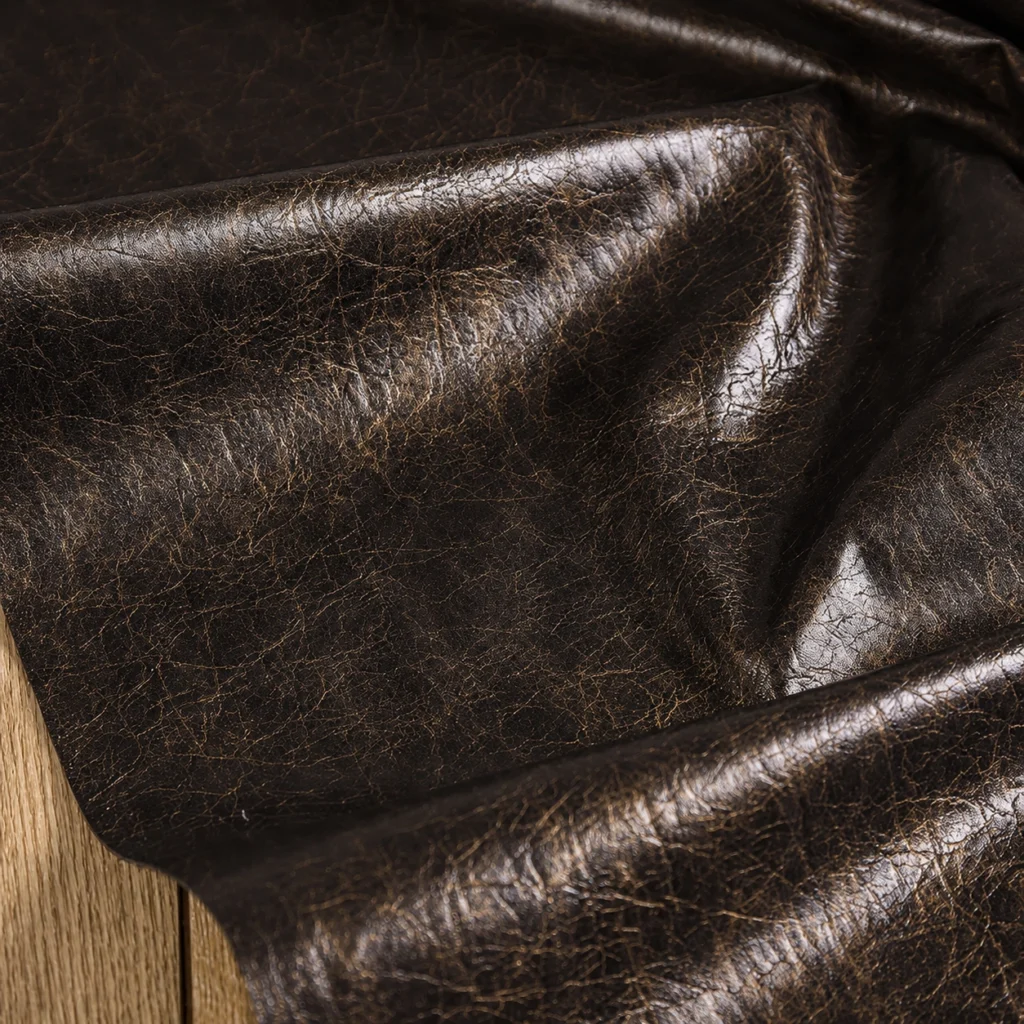
Look at grain size, embossing depth, gloss and visual consistency.
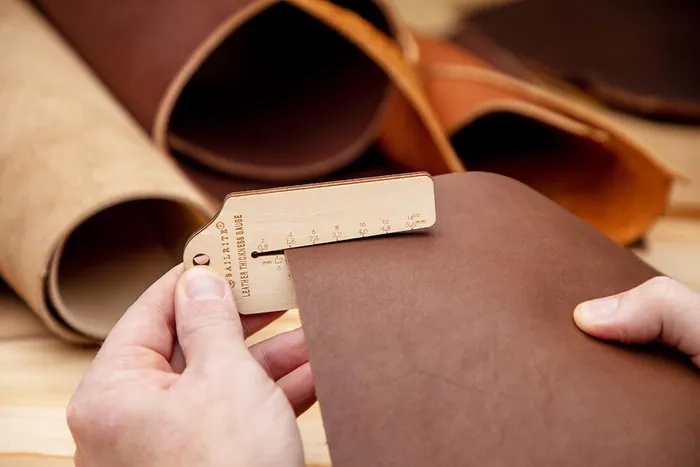
2. Thickness
Measure the material rather than judging thickness from appearance.
3. Backing
Turn the sample over. Compare backing construction, stretch and stability.
4. Hand Feel
Bend and handle the sample. Decide whether it feels too soft, too firm or appropriate for the final product.
5. Color
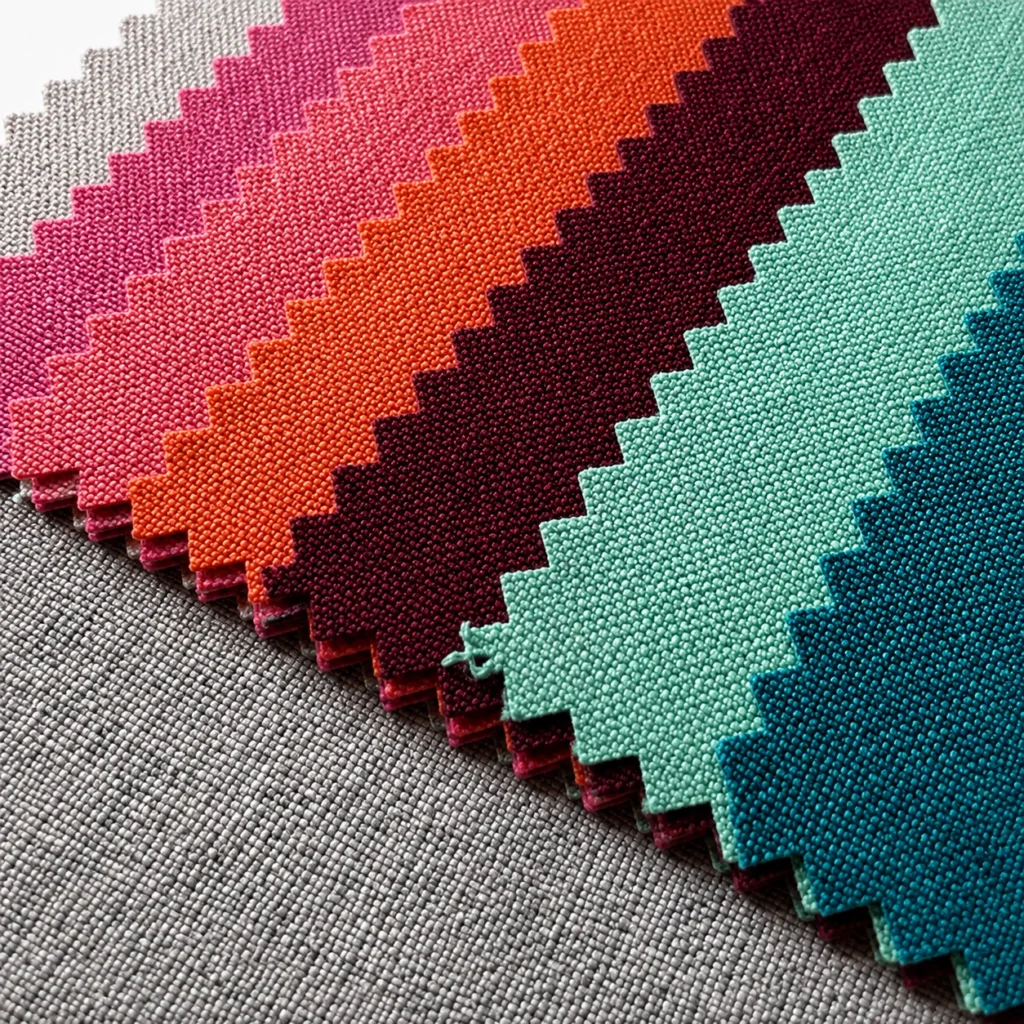
Review color on the actual texture and finish. Buyers comparing several color directions before physical sample approval can also refer to the PU leather color card guide.
The same color direction can look different on smooth, matte, glossy or deeply embossed surfaces.
6. Processing Behavior
Whenever possible, cut, stitch, fold, laminate or form the material using a process close to real production.
7. Final-Product Compatibility
A flat swatch may look excellent but behave differently around bag corners, shoe curves or narrow folded edges.
Physical approval is therefore much more useful than choosing PU leather from a digital photograph alone.
Three Mistakes Buyers Make When Sourcing PU Leather
Mistake 1: Choosing From a Surface Photo Only
A photo may communicate color and general texture.
It cannot reliably tell you thickness, backing, stretch, hand feel or actual surface behavior.
If a buyer sends only a finished bag photo and asks for an identical material, several important specifications are still unknown.
Mistake 2: Writing Only “1.0 mm PU Leather” on an RFQ
Thickness is useful, but it does not define the full material.
Two 1.0 mm materials can feel very different because the coating construction, backing and finish are different.
A better RFQ includes the application, thickness range, texture, backing direction, hand feel and processing requirements.
Mistake 3: Treating “PU” as a Performance Grade
PU is a material description. It is not an automatic guarantee of abrasion resistance, hydrolysis performance, flex resistance, chemical compliance or any other project-specific result.
Those requirements must be defined separately and verified when relevant.
What Information Should You Send a PU Leather Supplier?
A clear sourcing brief can reduce unnecessary sample revisions, especially when requesting custom PU leather development involving several material variables.
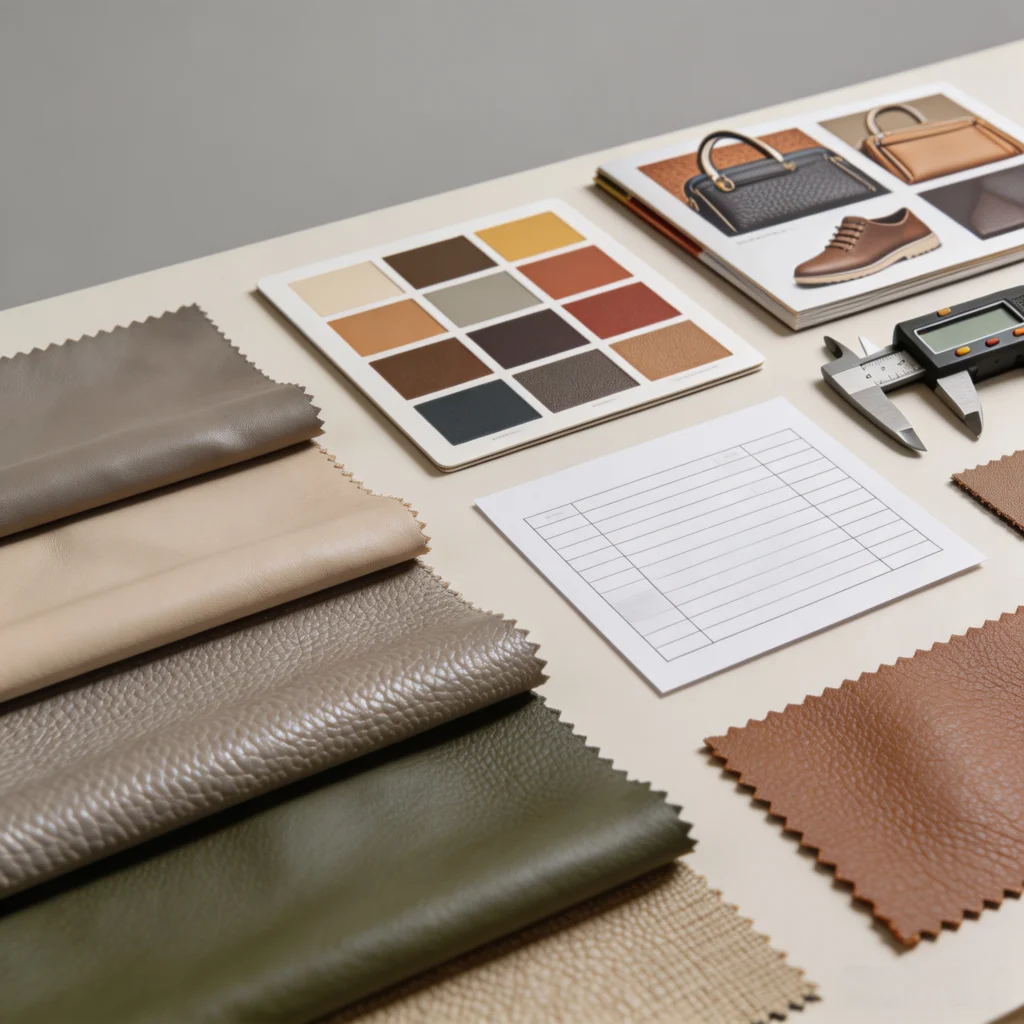
Before requesting PU leather material, prepare as much of the following information as possible:
- final product application;
- position where the material will be used;
- target thickness or acceptable range;
- preferred texture or grain reference;
- color reference;
- matte, semi-matte or gloss direction;
- desired hand feel;
- backing preference, if known;
- cutting, stitching, folding, gluing or lamination process;
- estimated order quantity;
- destination market;
- required tests or customer specifications;
- physical material sample or finished-product reference, if available.
Descriptions such as “good quality,” “luxury feel” or “soft leather” are subjective.
A physical swatch and clear application information give the supplier far more useful guidance.
Does “PU Leather” Tell You Anything About Compliance?
No. The term PU leather material identifies the broad material type. It does not prove that a specific material meets every chemical or physical requirement for the United States, Europe or another market. The guide to PU leather safety and chemical testing explains how to turn a general safety question into a product- and market-specific test request.
For European sourcing projects, buyers may need to evaluate applicable REACH requirements and restricted substances according to the material and finished product. The official ECHA Candidate List can be used as one regulatory reference when determining applicable chemical requirements.
In the United States, accurate descriptions of leather and imitation-leather products also matter. The U.S. Federal Trade Commission’s FTC Leather Guides address representations concerning the composition and characteristics of leather and imitation leather products.
These references should not be turned into generic claims such as “REACH PU leather” or “compliant PU leather” without supporting project-specific information.
Testing should be discussed according to the actual material, product category, buyer specification and target market.
Key Takeaways for Material Buyers
If you remember only one point, remember this:
PU leather is a material category, not a complete material specification.
For B2B sourcing:
- start with the final product;
- compare thickness and backing together;
- approve color on the final texture;
- evaluate hand feel physically;
- check production behavior, not only appearance;
- define performance and testing requirements separately;
- keep an approved physical sample as the material reference.
At Danhon, material discussions can be based on the buyer’s application, color, texture, thickness, backing and hand-feel requirements. Physical samples and color cards are useful before final material confirmation.
Frequently Asked Questions About PU Leather
Which document should govern if a purchase order and material card use different names?
Identify a controlled construction specification and approved sample as the governing reference in the order. Resolve the terminology difference before supply rather than assuming broad trade names describe identical material.
What should an incoming-material label contain when several PU constructions share one color?
Include the material code, construction revision and traceable lot reference as well as the color. This helps prevent a same-colored but unapproved backing from reaching the cutting table.
Can an RFQ be approved while its backing field remains "to be confirmed"?
Use that status for initial development only and assign responsibility for closing it. Confirm the production construction and relevant approval evidence before issuing a final material release.
Can an unlabeled offcut become the master for a repeat PU leather order?
First link it to a verified material specification and approval record. If that identity cannot be established, use it only as a development reference and create a new controlled master.
How should buyers record a split-leather-backed material with a PU surface?
Describe the hide-derived substrate and PU surface explicitly rather than relying on a broad synthetic-leather label. Review the material description against the intended claim and applicable market requirements.
What if a supplier refuses to identify the resin system but offers a low price?
Record material identity as unresolved and do not approve it as the specified PU construction. A commercial offer can remain under review while the necessary identification evidence is obtained.
Should unused trial swatches be kept after a final PU material is selected?
Keep clearly labeled alternatives where they are useful for explaining the decision or investigating later substitutions. Separate rejected and approved references so an old trial cannot be mistaken for a production release.
Compare PU Leather Samples for Your Product
Understanding what PU leather is becomes useful only when the material is matched to a real product.
If you are sourcing material for bags, shoes, garments, gloves or packaging, prepare your target application, thickness, texture, color, backing and hand-feel requirements. Physical swatches can then be compared before custom development or bulk material confirmation.
Contact Danhon for PU Leather Samples and Custom Material Support