
Quick Answer
What Microfiber Leather Means in Material Sourcing
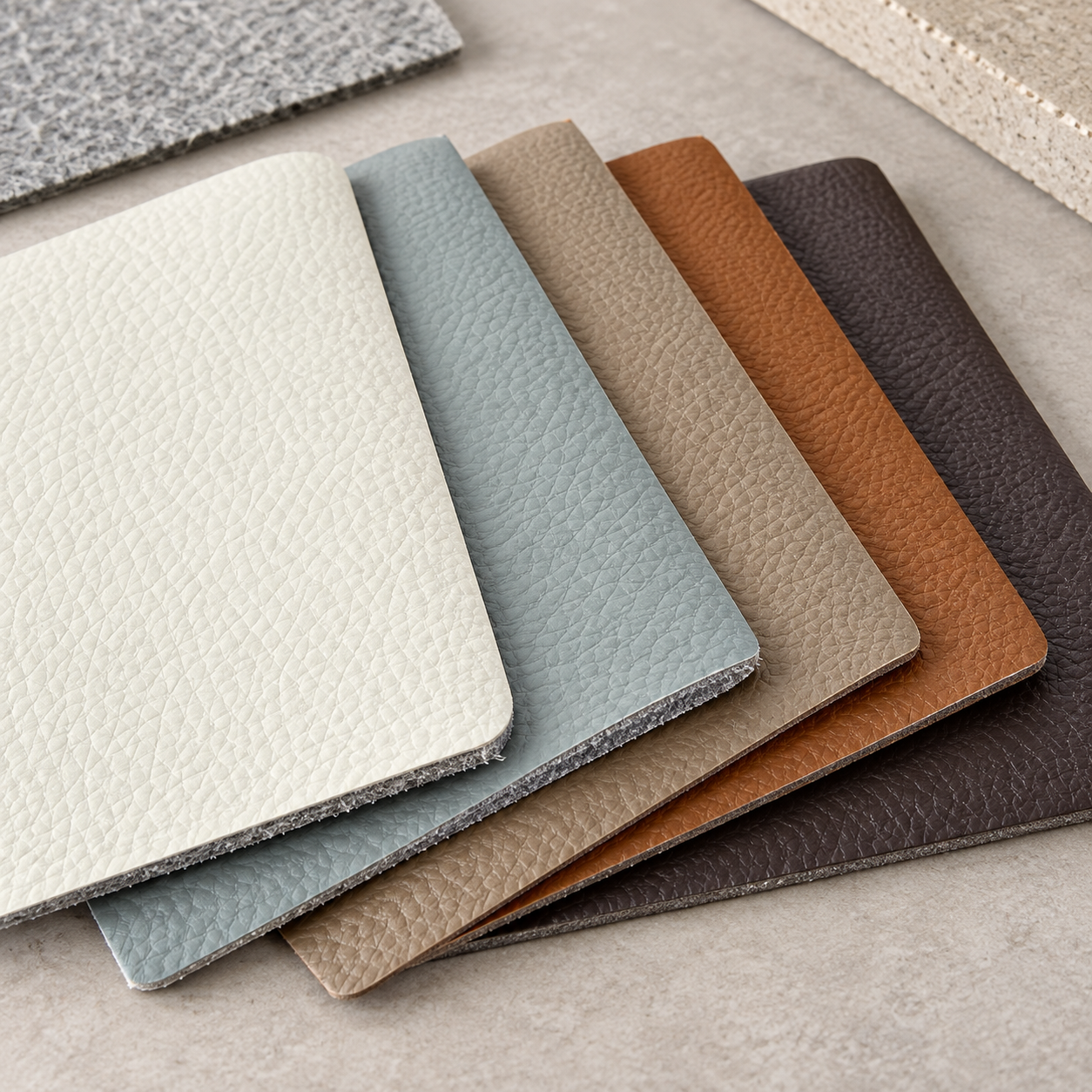
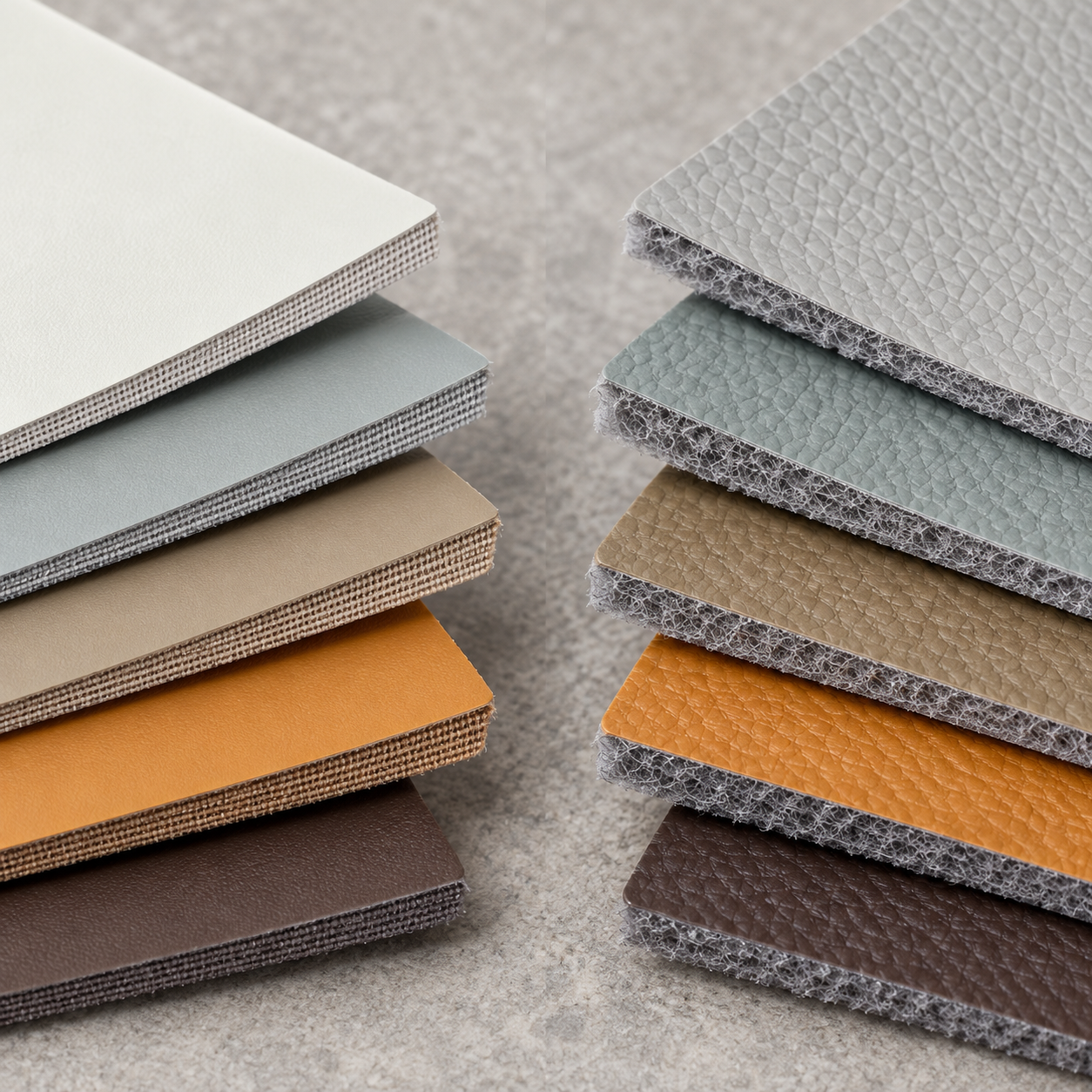
In textile terminology, microfiber refers to very fine synthetic fibers. The Microfibre Consortium describes the textile industry definition as a synthetic fibre with a linear density of less than one denier, and the ACT textile glossary also defines microfiber as very fine synthetic yarns used in lightweight, high-density fabrics. In synthetic leather sourcing, the phrase microfiber leather normally points to a leather-like sheet material built on a dense microfiber base, often with surface finishing or coating added for appearance and hand feel. This distinction matters because microfiber is not only a marketing word. It describes the base direction that can influence softness, density, tear behavior, backing stability and the way the material handles cutting or stitching. Buyers comparing microfiber synthetic leather should ask what the base is, how the surface is finished, what thickness range is available and whether the sample represents the final production route.Microfiber Leather vs PU Leather: Compare the Construction First
| Comparison Point | Microfiber Leather | PU Leather | Buyer Check |
|---|---|---|---|
| Core meaning | Usually a microfiber-based synthetic leather construction | Usually a polyurethane surface on fabric, nonwoven or other backing | Ask for full material construction, not only the name |
| Hand feel | Can feel dense, stable, soft or suede-like depending on finish | Can range from soft garment material to firmer bag or shoe material | Compare physical samples under the final product use |
| Typical review points | Base density, surface finish, thickness, flexibility, suede nap if present | Surface grain, backing fabric, thickness, coating feel, color and embossing | Match the material to the product structure and production method |
| Common applications | Shoes, bags, small leather goods, gloves and higher-structure projects | Shoes, bags, garments, gloves, packaging and many general synthetic leather uses | Do not assume one material works for every application |
When Microfiber Synthetic Leather May Be Worth Evaluating
Microfiber synthetic leather may be useful when the buyer needs a stable material base, a refined surface feel or a more structured leather-like hand. It can be considered for shoe uppers, sneakers, bags, wallets, small cases and selected glove projects. Buyers can review Danhon’s microfiber leather product category as one internal reference point, but final selection still depends on the product structure, processing method and approved sample. The material is not automatically better than PU leather. A microfiber base may increase structure or improve certain hand-feel directions, but it may also change cost, flexibility, thickness and surface options. In many sourcing projects, the better choice is the material that gives the finished product the right balance of appearance, hand feel, processability and buyer-required testing.Microfiber Suede Leather Needs a Separate Review
What Is Microfiber Leather Used For?
Microfiber leather is commonly evaluated for shoes and bags because these products often need structure, hand feel and surface consistency at the same time. In footwear, buyers may compare flexibility, backing stability and upper-forming behavior; Danhon’s PU leather for shoes guide shows the kind of application-based thinking that also applies when microfiber leather is considered. For bags, buyers may focus on texture, color consistency, panel support and stitching behavior, similar to the checks used when choosing PU leather for bags. The same material name can behave differently across applications. A microfiber leather that works for a structured bag may feel too firm for a soft shoe lining, while a soft suede-like material may not give enough support for a shaped case. Buyers should therefore define the finished product first, then compare material options by thickness, surface, base stability and production behavior.Do Not Let the Term “PU Microfiber Leather” Create Confusion
The phrase PU microfiber leather can be confusing because it combines a polymer direction with a base-material direction. PU may refer to polyurethane in the surface or impregnation system, while microfiber may refer to the fine-fiber base. If the buyer only writes PU microfiber leather in an inquiry, the supplier may still need more information before recommending a sample; Danhon’s what is PU leather guide explains why the PU label alone does not describe the whole construction. A clearer RFQ should state the application, target thickness, surface style, smooth or suede finish, hand feel, backing expectation, color requirement and any testing direction. If the project is for shoes or bags, the buyer should also mention whether the material must bend, hold shape, wrap around corners or resist visible surface marking. This makes sample matching more accurate and reduces unnecessary revision rounds.Buyer Mistakes to Avoid Before Sample Approval
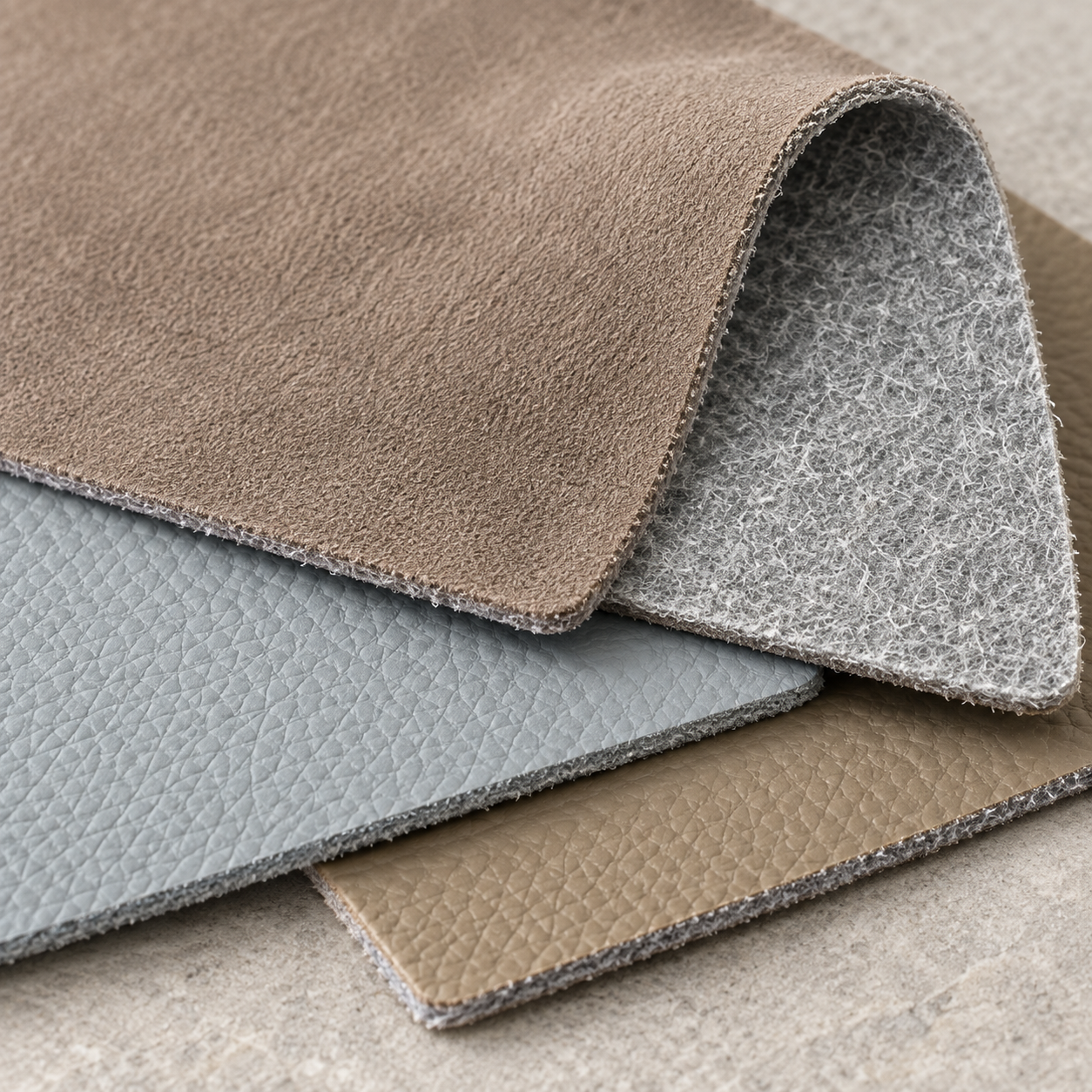
One common mistake is choosing microfiber leather because it sounds more advanced, without checking whether the final product actually needs that construction. Another mistake is treating one microfiber suede sample as proof that all microfiber leather will have the same hand feel or surface behavior. The base, surface finish, thickness and processing method can all change the result. Buyers should also avoid approving materials from photos alone. Color, nap direction, surface gloss and hand feel are difficult to judge on a screen. A better process is to compare physical samples, confirm the application, record the approved specification and discuss any testing needs before moving into bulk production.How to Decide Between Microfiber Leather and PU Leather
Start with the product requirement rather than the material name. If the project needs a standard leather-like surface, broad color development, embossing choices or a flexible cost range, PU leather may be the more practical route. If the project needs a denser synthetic leather base, a suede-like touch or a stronger structure direction, microfiber leather may be worth testing. In our material selection experience, the best decision usually comes from side-by-side samples. Buyers should compare how each material bends, cuts, stitches, folds and looks under real lighting. Danhon can support PU artificial leather as the core direction and selected microfiber leather options when the final application, specification and sample target are clear.FAQ
What if two suppliers quote different constructions under the same microfiber code?
Treat each quotation as a separate candidate until the substrate, coating and finish are documented. Use the code only as a supplier-specific reference, not as a cross-supplier specification.
Should a microfiber sample approval cover a change from coated to napped surface?
No; retain them as distinct surface versions. Review cutting direction, marking, transfer and assembly again for the napped version rather than carrying over a coated-face approval.
How should buyers investigate a nap-direction shade complaint?
Compare retained pieces in the same orientation and lighting, then inspect whether the cutting layout followed the approved direction. Separate directional appearance from a genuine dye-lot difference before deciding corrective action.
Can an approved microfiber base be used with a different adhesive?
Only after checking the relevant bond and processing behavior on the actual assembly. A substrate approval does not automatically cover every adhesive, lining or curing condition.
What evidence is needed before a supplier can substitute another microfiber source?
Request a change record identifying the revised construction and compare production-representative samples against the existing specification. Agree the relevant requalification checks before releasing the substitute.