Quick Answer
A PU leather color card should be used to identify suitable color, grain, and finish directions. It should not be treated as final production approval. Buyers should first shortlist the most suitable color codes, then request physical PU leather samples with the required texture, thickness, backing, and hand feel.
The same color can look different on smooth, pebbled, matte, or glossy PU leather. For this reason, a color code alone is not enough. The complete material structure should be reviewed before bulk production.
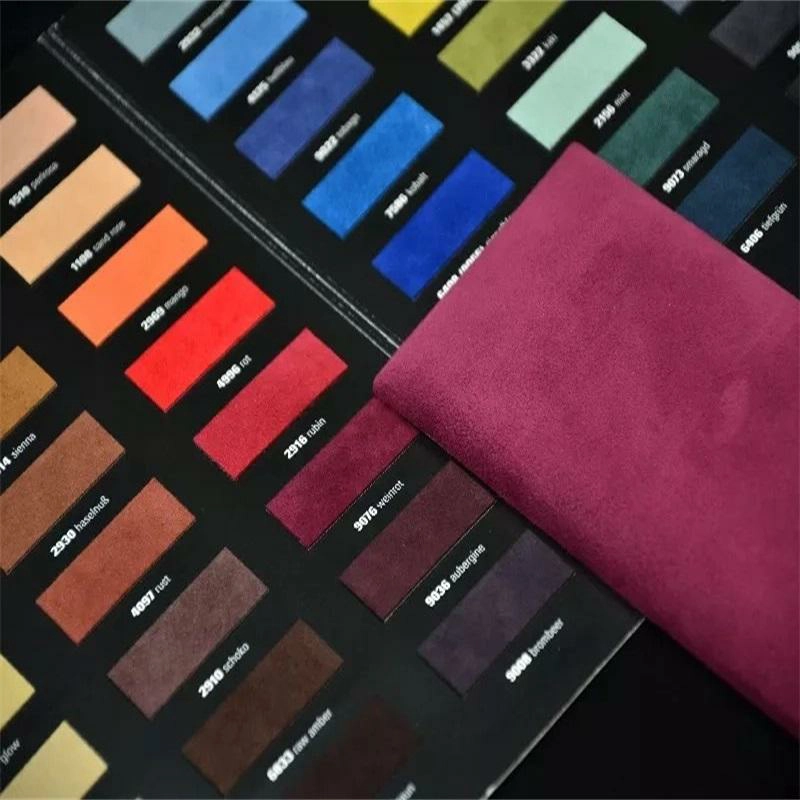
Start With the Color Card Code and Series
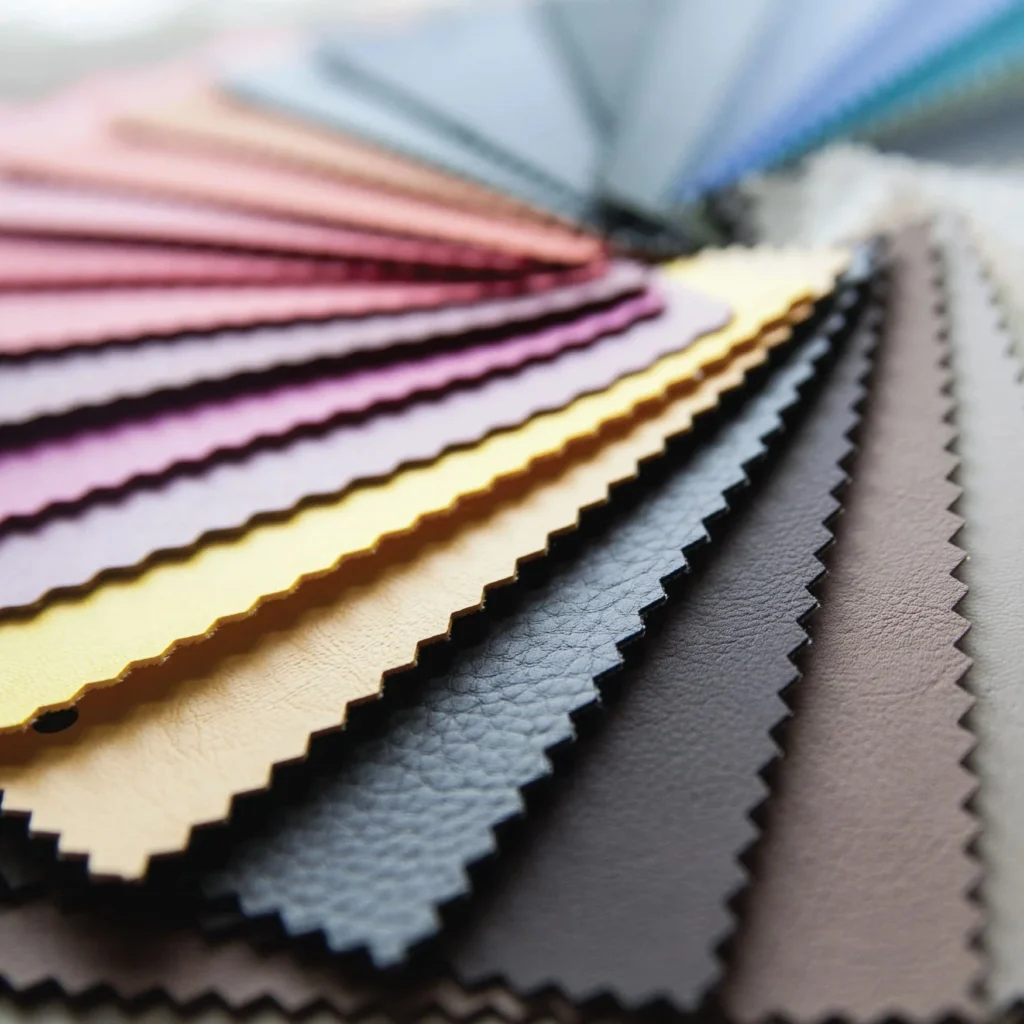
Most PU leather color cards organize swatches by material series. Each series may represent a particular surface grain, finish, base construction, or product direction.
The number printed beside a swatch normally identifies that color within the supplier’s own system. It is useful when requesting samples or discussing a repeat order. However, the code is usually not a universal color standard.
A color number from one supplier should not be assumed to match the same number from another supplier. Even within one color family, the pigment, coating, embossing, and gloss level may produce a different result.
When reading a PU leather sample book, record both the material series and the exact color code. Sending only a general description such as “dark brown” leaves too much room for interpretation.
| Color Card Element | What It Helps Confirm | What It Does Not Fully Confirm |
|---|---|---|
| Series name or number | The material family or surface direction | Suitability for every product application |
| Color code | The selected shade within that supplier’s card | An identical match across different suppliers |
| Small swatch | Basic color, grain, and gloss direction | Large-panel appearance or cutting consistency |
| Embossed surface | The visible grain style and depth | Final hand feel, flexibility, or backing strength |
| Card label | Available reference information | Current stock, production feasibility, or bulk approval |
Read Color Together With Grain and Surface Finish
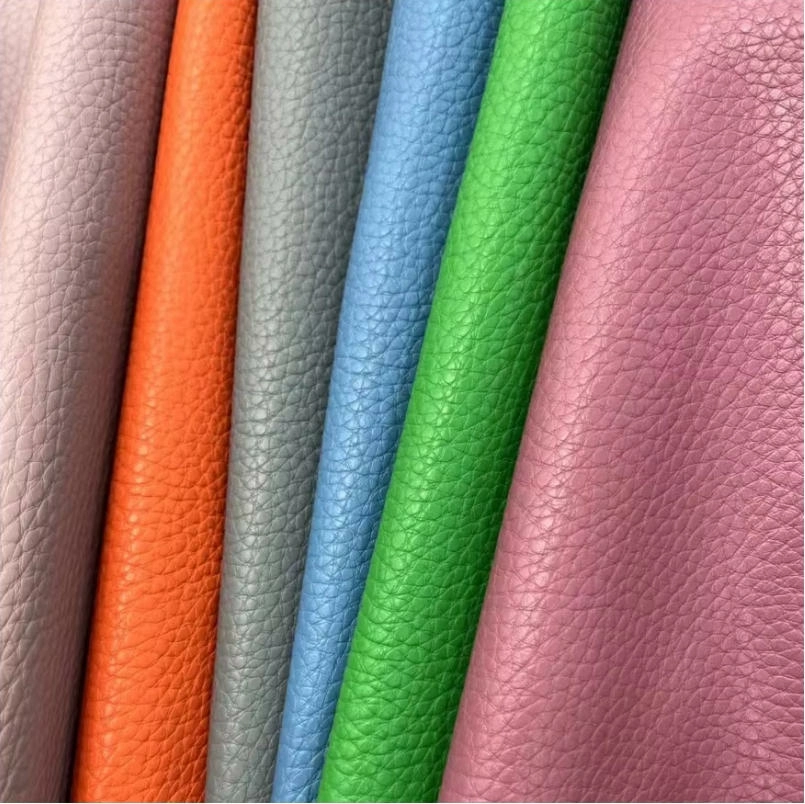
Buyers often focus on color first. In practice, grain and surface finish can significantly change how that color is seen. The guide to PU leather texture and surface finish explains why changing embossing depth or gloss can alter the appearance of the same nominal color.
A smooth matte surface usually presents color more evenly. A deeper grain creates small areas of light and shadow. This can make the same shade appear darker, richer, or less uniform.
A glossy finish produces stronger highlights. The material may appear lighter from one angle and darker from another. Metallic, pearlescent, or special surface effects can create even greater visual changes.
- Smooth matte PU leather: Offers a clean and controlled color appearance, but surface marks may be easier to notice.
- Fine pebbled PU leather: Creates balanced visual depth with less dramatic shadow between grains.
- Deep embossed PU leather: Provides stronger texture expression, but the color may appear darker inside the embossed areas.
- Glossy PU leather: Produces brighter reflections and a stronger angle-dependent appearance.
- Suede or nubuck-style PU leather: May appear lighter or darker depending on the direction of the surface nap.
When comparing PU leather swatches, confirm whether the color card uses the same grain and finish required for the final product. A close color on the wrong surface may still produce an unsuitable result.
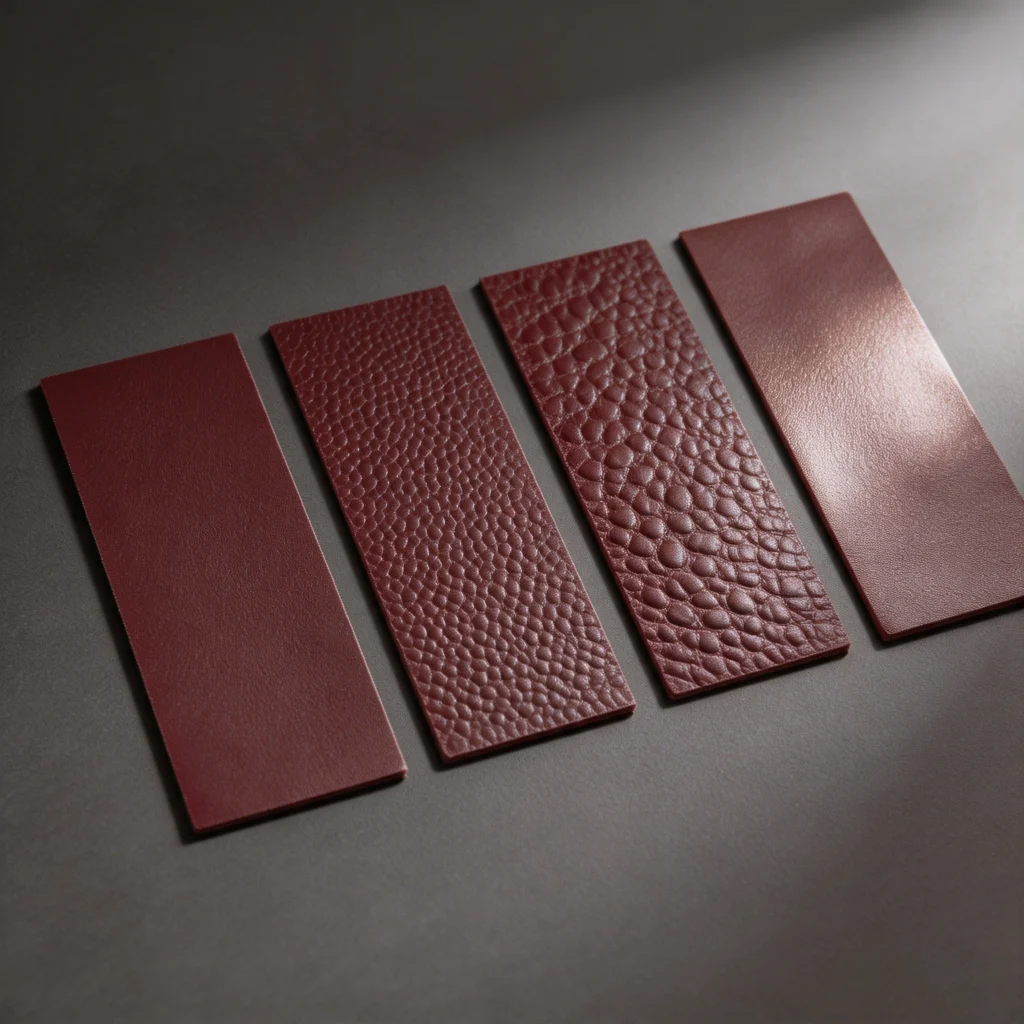
Why a PU Leather Color Card Cannot Replace a Physical Sample
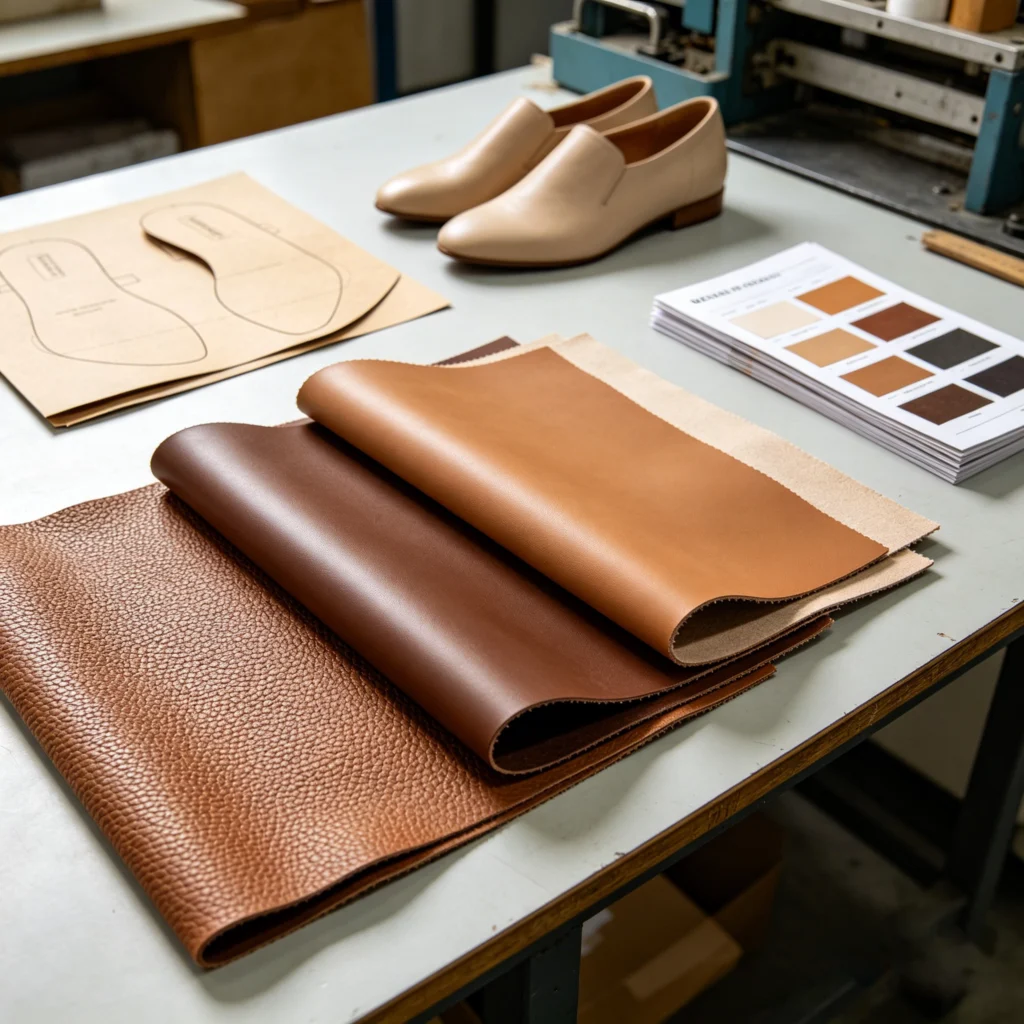
A color card is designed to support initial selection. Its small swatches make it easier to compare many options, but they cannot show every production detail.
A larger physical sample helps buyers evaluate whether the color remains balanced across a wider area. It also shows how the material bends, folds, reflects light, and works with the selected backing.
Physical PU leather samples are especially important when the finished product includes large panels, curved surfaces, folded edges, or repeated stitching.
The physical sample should be reviewed for:
- Color appearance across a larger surface.
- Embossing depth and grain consistency.
- Gloss or matte level from different angles.
- Material thickness and edge appearance.
- Backing fabric and structural support.
- Softness, hand feel, and flexibility.
- Appearance after folding, cutting, or light stretching.
The practical difference between a PU leather color card and a physical sample is simple: the card helps select a direction, while the physical sample helps confirm whether the complete material is suitable.
Compare Colors Under More Than One Light Source
Lighting can change the apparent color of a PU leather swatch. A shade selected under cool daylight may look warmer under indoor lighting. Dark gray, navy, brown, beige, and off-white colors can be especially difficult to judge from one viewing condition.
For a more reliable comparison, place the swatches next to each other and review them under controlled daylight-style lighting when available. Buyers can also check the selected sample under the lighting expected in the final retail or product environment.
Industry guidance for standardized visual color appraisal emphasizes controlled viewing conditions because lighting can affect visual color decisions.
Color appearance may also shift under different illumination. This effect is explained further in X-Rite’s guide to understanding color communication.
Avoid approving color only under direct sunlight, strongly colored walls, or mixed lighting. These conditions can introduce glare or reflected color.
Phone photos and computer screens are useful for communication, but they should not be used as the final color standard. Camera settings, screen calibration, lighting, and image compression may all change the displayed shade.
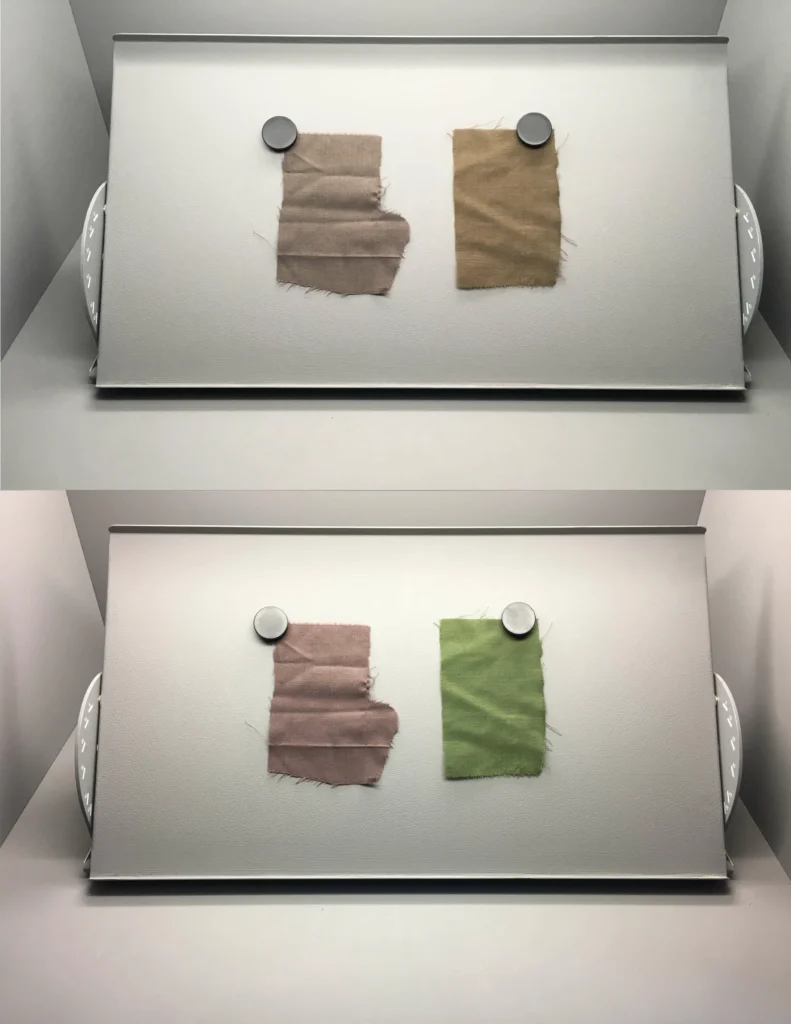
Match the Color to the Product Application
A suitable color should be evaluated in the context of the finished product. The same swatch can behave differently when applied to a structured handbag, curved shoe upper, soft garment panel, or rigid packaging surface.
For Bags
For bag projects, compare the color on a surface large enough to represent the main body panel. Check how the material looks beside the lining, thread, metal hardware, zippers, and edge paint.
Structured bags may require a stronger backing or thicker material. These changes can affect how the surface lies and reflects light. Buyers can review available PU leather for bags when comparing color, texture, thickness, and structural directions.
For Shoes
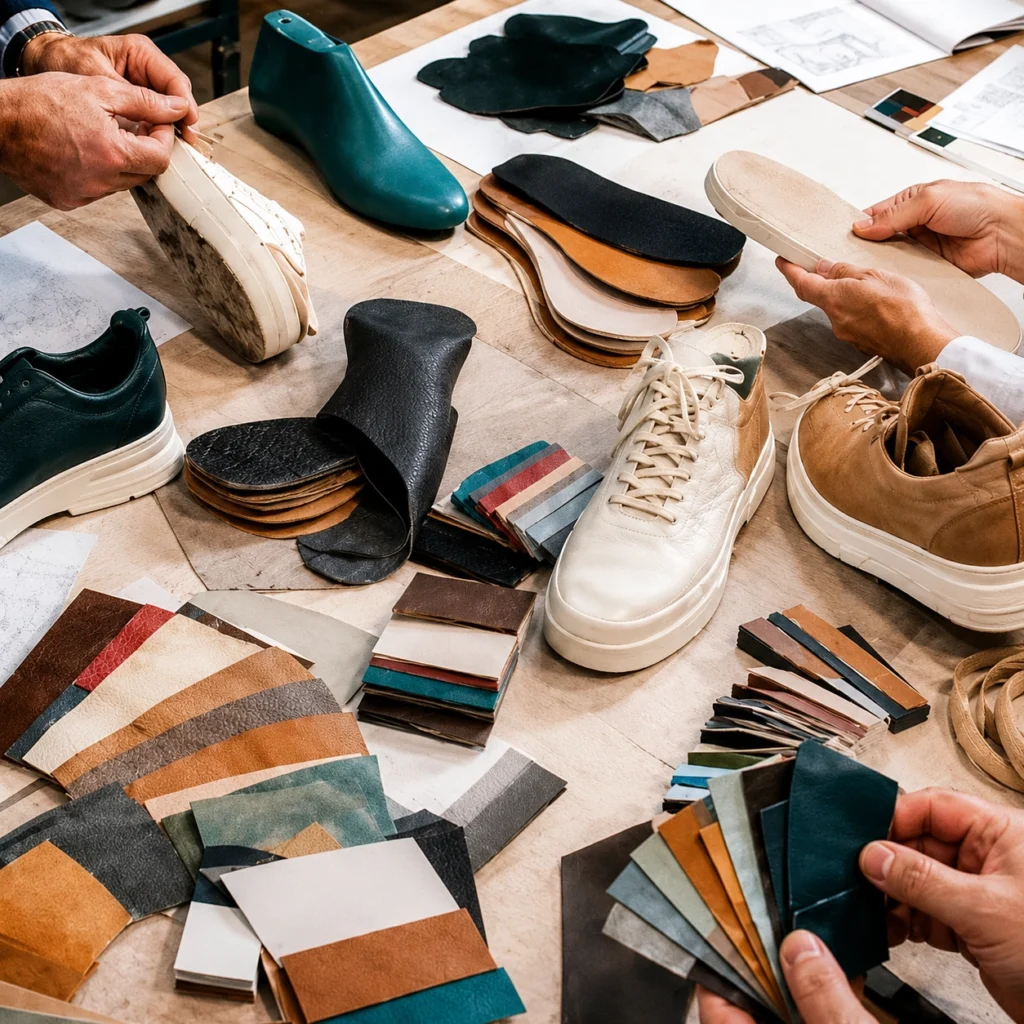
Shoe upper materials should be checked on a curved or lightly flexed surface. Glossy or deeply embossed materials can look different after forming and stitching.
Color should also be reviewed beside the outsole, laces, stitching, lining, and other upper materials. The PU leather for shoes category provides references for different footwear colors, grains, thicknesses, and finishes.
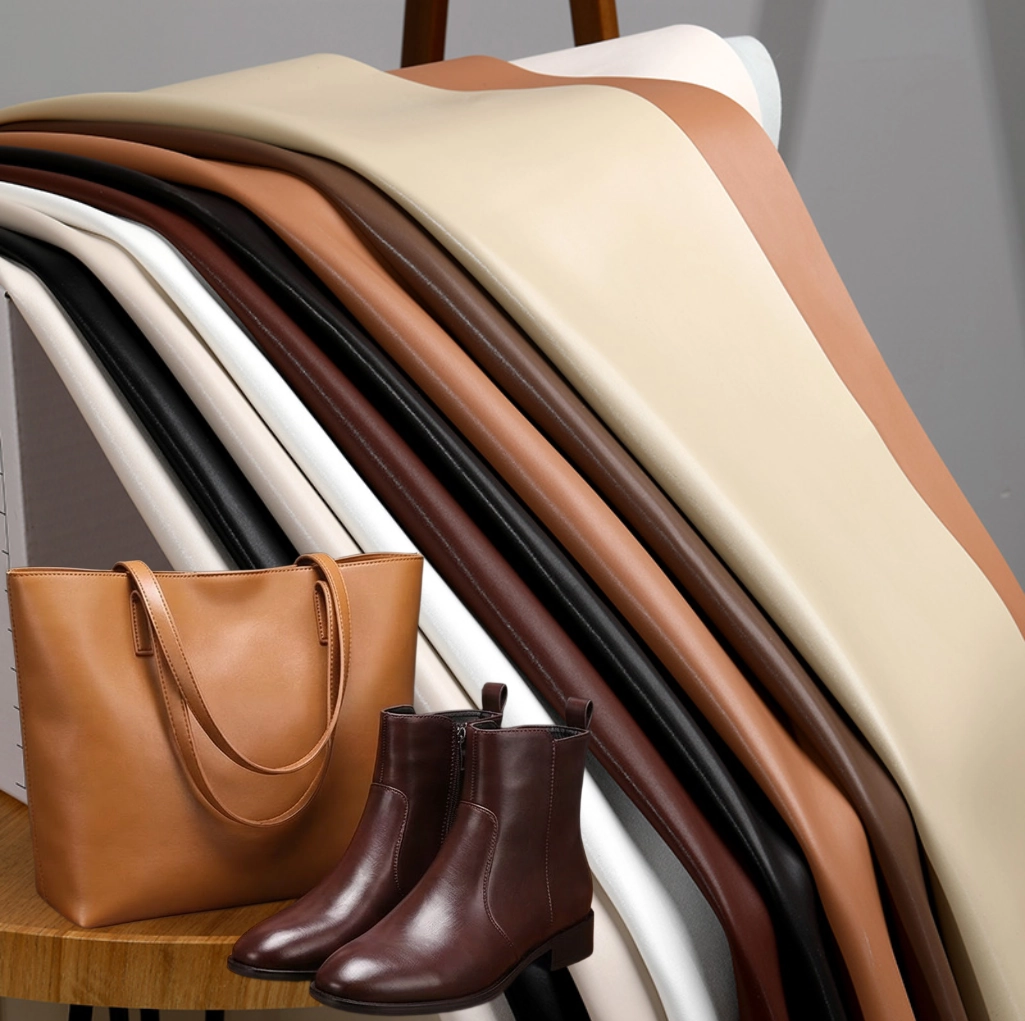
For Garments
Garment materials should be viewed while hanging or draping. Folds create changing areas of light and shadow that may not appear on a flat color card.
Softness and backing construction are also important. Buyers can compare different PU leather for garments when evaluating color together with drape, hand feel, and surface appearance.
For Jewelry Boxes and Packaging
For jewelry boxes and packaging, check the material after folding or applying it to a rigid panel. Adhesive, lamination, edge wrapping, and panel shape may change the final surface appearance.
Relevant color and texture directions can be reviewed through the PU leather for jewelry boxes and packaging category.
Build a Shortlist Before Requesting PU Leather Samples
Requesting every similar color is not always the most efficient approach. A focused shortlist helps buyers compare the most relevant options without creating unnecessary confusion.
A practical selection process is:
- Remove colors that do not fit the required product direction.
- Remove grains or gloss levels that do not match the design.
- Select one preferred color and one or two close alternatives.
- Record the complete series name and color code.
- Mark whether each option is the first choice or a backup.
- Request physical samples in the required material structure.
Buyers can browse the wider PU leather material range before deciding which colors, grains, and physical swatches should be requested.
When the required shade sits between two card colors, explain the desired adjustment clearly. For example, ask for a version that is slightly warmer, cooler, less saturated, lighter, or darker than the selected card reference.
What Information Should Be Sent With a Sample Request?
A clear sample request allows the supplier to evaluate the complete material instead of sending a visually similar but technically unsuitable swatch.
Include the following information:
- Color card series and exact color code.
- Finished product application.
- Required thickness or an acceptable thickness range.
- Preferred grain or embossing pattern.
- Matte, semi-matte, satin, or glossy finish direction.
- Backing fabric requirement, when known.
- Soft, medium, or structured hand feel.
- Expected order quantity or estimated material usage.
- Target market and any project-specific testing needs.
- Reference photos, physical standards, or color specifications.
A Pantone reference or digital design file may support communication for custom PU leather colors. However, the finished PU leather should still be approved through a physical material sample because the substrate, grain, and finish affect the visual result.
Common Color Card Mistakes That Delay Sample Approval
Choosing From a Screen Image Only
A photo may help identify the general direction, but it cannot accurately communicate the complete physical color, texture, gloss, and hand feel.
Sending a Color Name Without the Code
Terms such as beige, burgundy, navy, gray, or coffee brown can cover many different shades. Always provide the color card series and exact code when available.
Ignoring the Material Series
The selected color may belong to a different grain, finish, thickness, or base construction. Sending only the color code may cause the wrong material series to be sampled.
Approving Color Without Checking Thickness and Backing
A visually suitable swatch may still be too soft, too rigid, too thin, or unsuitable for the intended production method.
Comparing Samples Under Different Lighting
One sample may appear closer simply because it is being viewed under a different light source or beside a different background.
Discarding the Approved Sample
The approved physical sample should be labeled and retained as a reference for later production discussions and repeat orders.
How Danhon Supports Color and Material Selection
Danhon can help buyers compare PU artificial leather by color, texture, thickness, backing fabric, hand feel, embossing, and surface finish. The most useful starting information includes the product application, selected color card code, and any reference material or finished-product image.
For custom development, the color direction should be reviewed together with the final grain and surface finish. This reduces the risk of approving a color that changes noticeably when applied to another material structure.
Key Takeaways
- Use a PU leather color card to shortlist directions, not to approve bulk production.
- Record both the material series and the exact color code.
- Evaluate color together with grain, gloss, thickness, backing, and hand feel.
- Compare shortlisted swatches under controlled and application-relevant lighting.
- Request larger physical samples before confirming the material.
- Retain the approved sample as the project reference.
Frequently Asked Questions
What if the same color-card code appears in two different edition years?
Confirm the applicable edition and compare physical references before ordering. Retain any supplier explanation of changed finish or formulation instead of assuming the reused code preserves the old approval.
How should a buyer annotate a rejected shade without damaging the master?
Keep comments and adjustment instructions on a separate labeled record. Preserve a clean reference surface for later comparison and link the notes to its code and revision.
What if the retained color-card swatch has faded?
Do not keep using a visibly changed sample as the governing master. Compare protected retained references where available and establish a documented replacement before approving further production.
Should a supplier use a photographed color card as the final repeat-order target?
Use the image to identify the intended code, then confirm a traceable physical reference. Record which master governs if the photograph and retained swatch appear different.
What if two reviewers disagree because they compare different sides of a swatch?
Mark the intended face and viewing orientation before repeating the comparison. Keep both observations until the sample identity and presentation are consistent.
Can two supplier color codes be treated as identical on a repeat order?
Only if the production-representative materials are approved against the same physical target and finish. Keep each supplier's code and version traceable instead of assuming a shared shade name transfers approval.
How should an international sample request identify a removable color-card chip?
Record the card series, chip code and edition before removing it, and retain a location photograph where useful. Label the chip itself so it stays identifiable after shipping.
Request PU Leather Samples With Clear Color References
Have you selected several colors but still need to compare their grain, finish, thickness, backing, or hand feel? Send the color card codes, product application, and material requirements so suitable physical samples can be reviewed before production.
Contact Danhon for PU Leather Samples and Custom Material Support