Quick Answer
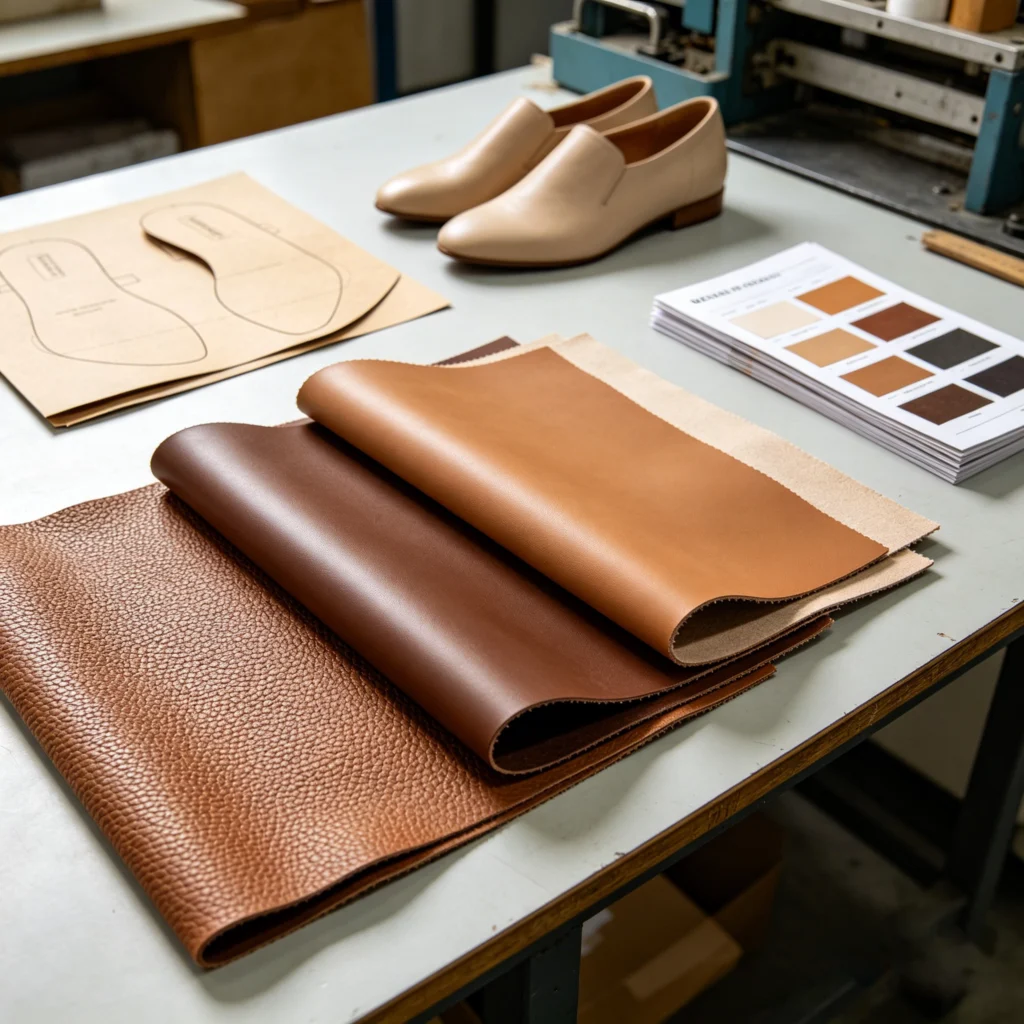
Custom PU leather can be developed by adjusting its color, grain, embossing, thickness, backing fabric, hand feel and surface finish. However, these options should not be selected separately. The right combination depends on the final product, manufacturing method and target market.
A structured handbag may require more support than a soft pouch. A shoe upper may need a different balance of flexibility and backing strength. Buyers should therefore start with the finished application, then confirm each material detail through physical samples.
Custom PU Leather Starts with the Finished Product
The first question should not be, “Which texture looks best?” It should be, “What product will this material become?”
For example, custom PU leather for bags may need enough structure for panels while remaining flexible around seams and corners. A soft tote bag, structured handbag and small wallet may all use different backing and thickness combinations.
Similarly, custom PU leather for shoes should be evaluated according to the shoe type, upper construction, cutting method, stitching and required flexibility.
One common problem occurs when a buyer sends only a finished product photo. The photo may show color and general texture, but it cannot confirm thickness, backing, stretch, hand feel or surface coating. Without these details, the first sample may look similar but behave differently during production.
Color, Texture, Thickness and Backing Must Work Together
Each customization option affects the final material. Changing one detail may also change how another detail appears or performs.
| Customization Area | What It Controls | Important Tradeoff |
|---|---|---|
| Color | Visual identity, collection matching and batch approval | The same color may look different on smooth, matte or deeply embossed surfaces |
| Texture | Grain depth, visual character, touch and surface detail | Deeper embossing may add visual depth but can affect flexibility and cleaning |
| Thickness | Structure, softness, folding behavior and processing | Thicker material may provide support but reduce softness |
| Backing Fabric | Stability, stretch, drape, strength and hand feel | A stronger backing can improve support but may make the material feel firmer |
This is why buyers should review the material as one complete construction. Choosing an attractive surface alone does not confirm that the material will work in the final product.
How Color Development Changes Across Surfaces
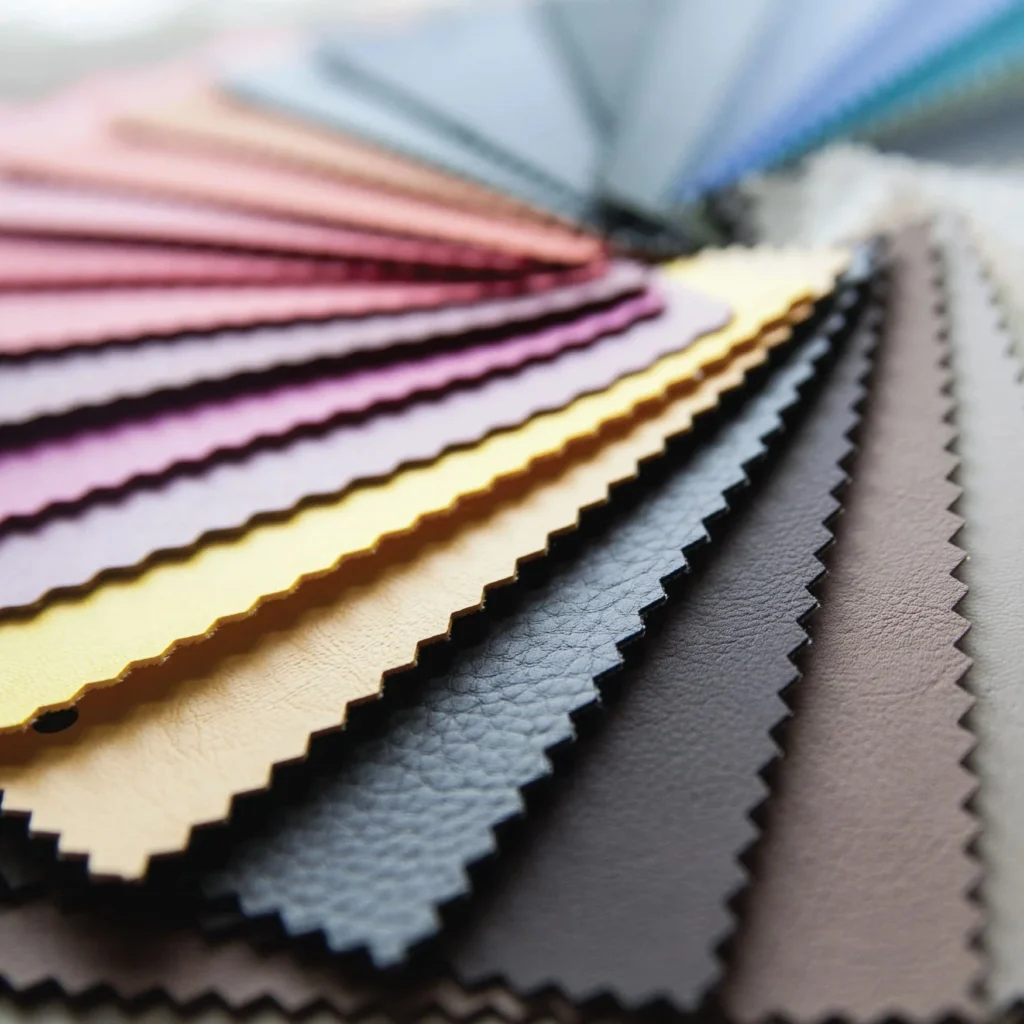
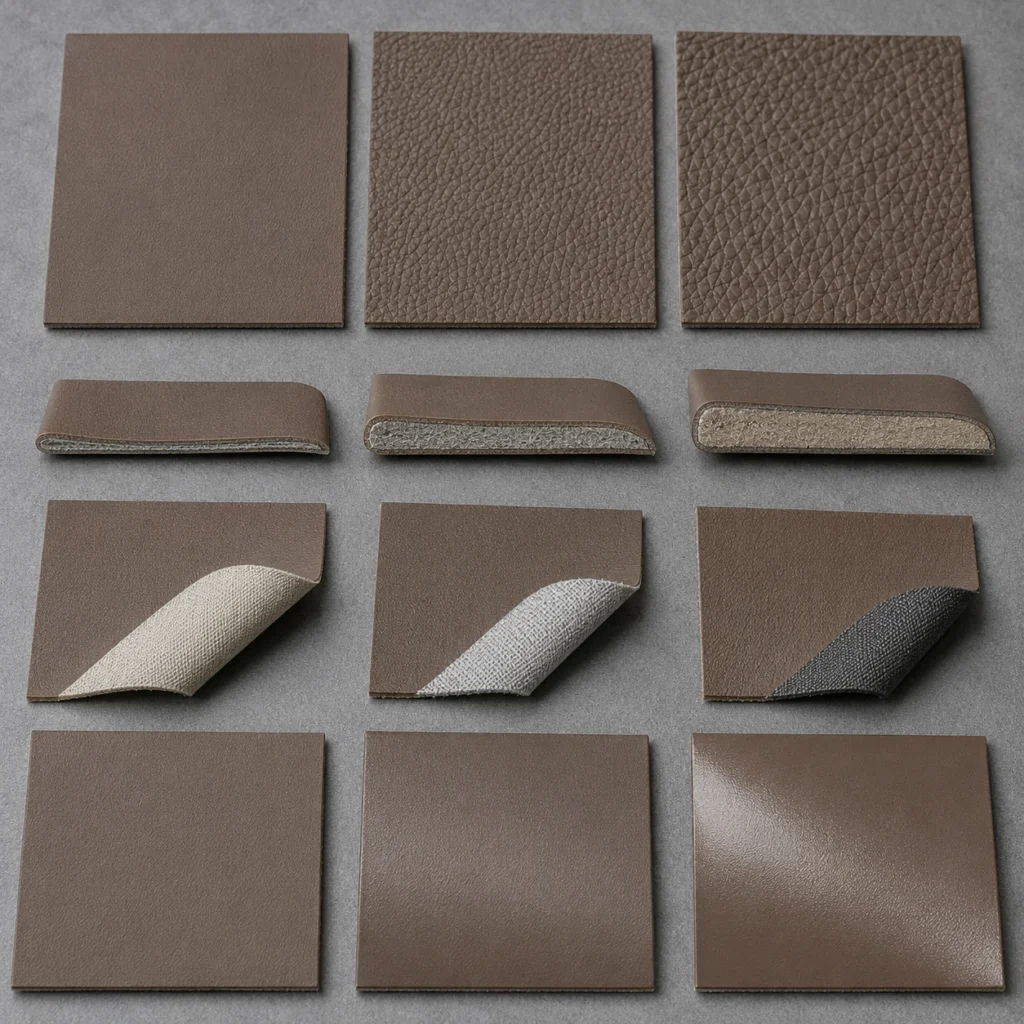
Custom PU leather colors can be developed from a physical swatch, color card, product sample or agreed color reference. A digital image can help communicate direction, but it should not be treated as final approval.
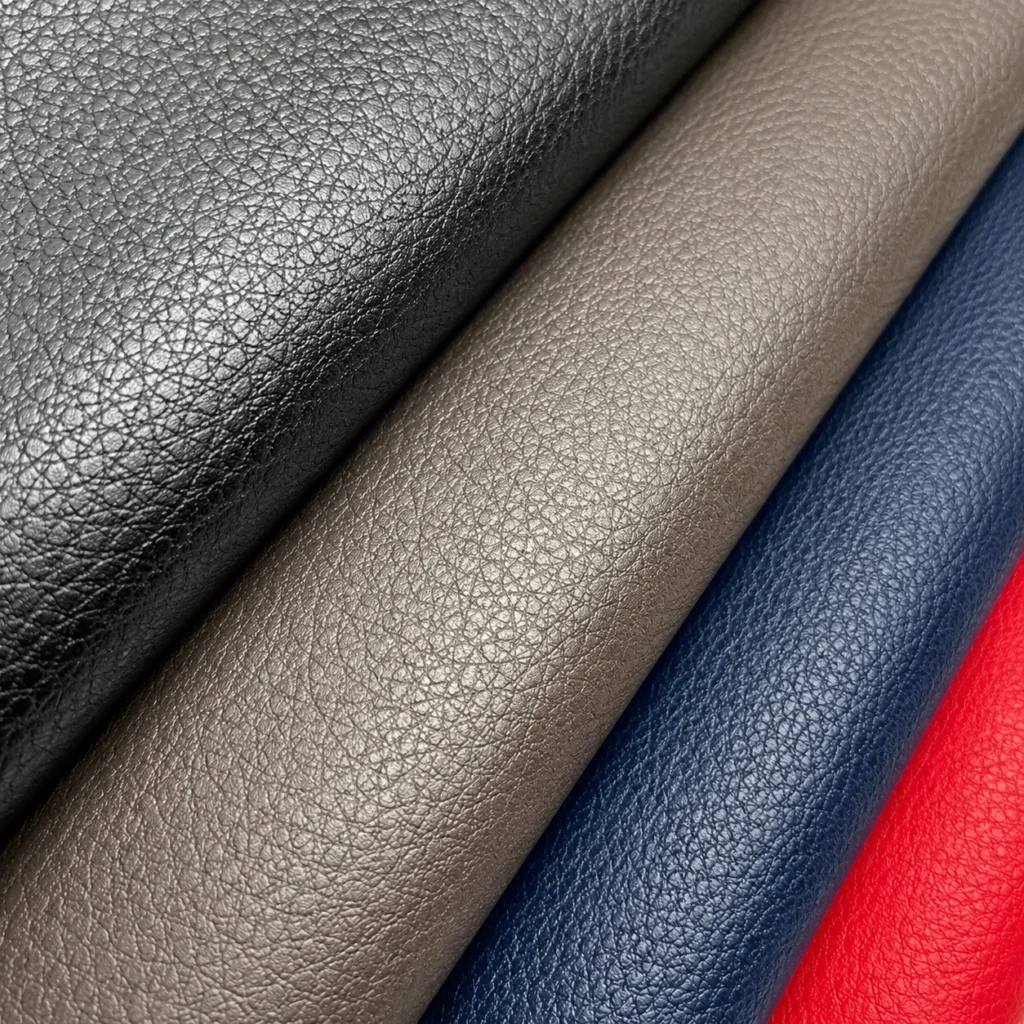
Surface texture has a strong effect on color appearance. A smooth matte surface reflects light differently from a glossy or deep-grain surface. Dark colors can appear deeper inside embossed valleys, while light colors may show more visible shading across raised grains.
Buyers should check samples under more than one lighting condition. Office lighting, daylight and retail lighting may produce different visual results. The final color should therefore be approved on the selected texture and finish, not on an unrelated flat color chip.
A color card is useful for narrowing the direction. However, a physical material sample remains more reliable before bulk production.
Choose Texture for Both Appearance and Production
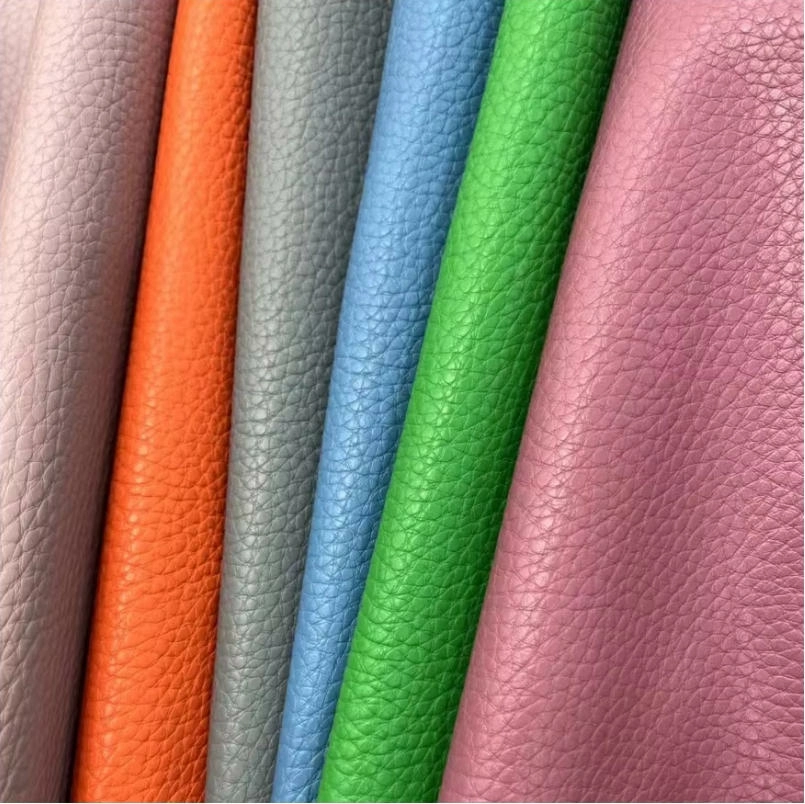
PU leather texture includes the grain pattern, embossing depth and surface finish. Common directions include smooth nappa-style surfaces, fine pebbled grain, deeper embossed grain, wrinkle effects, suede-like surfaces and decorative patterns.
Smooth surfaces can create a clean appearance, but scratches or surface marks may be easier to notice. Fine pebbled grains can hide minor visual variation and are often easier to match with different product styles.
Deeper embossing creates stronger visual character. However, buyers should also check how it behaves around folds, seams, edges and small cutting areas. A pattern that looks attractive on a large swatch may appear uneven on a small shoe component or wallet panel.
Matte, semi-matte and glossy finishes also change the appearance of the same grain. The finish should therefore be approved together with the pattern, rather than selected as a separate final step.
Use Thickness as a Starting Range, Not a Fixed Rule
Thickness affects structure, flexibility, cutting, sewing and the overall hand feel. A common product range may be around 0.7mm to 1.3mm, depending on the material and application.
| Starting Thickness Range | Possible Application Direction | What Buyers Should Check |
|---|---|---|
| About 0.7–0.8mm | Soft products, garments, gloves, flexible panels or lightweight components | Drape, stretch, backing stability and edge strength |
| About 0.85–1.0mm | Many fashion bags, shoe uppers, wallets and general leather goods | Balance between flexibility, structure and stitching |
| About 1.1–1.3mm | Structured bag panels, box covering or applications needing more body | Folding, corner processing, softness and surface stability |
These ranges are only starting references. Two materials with the same measured thickness may feel different because of their backing fabric, coating structure and surface treatment.
Buyers should not approve thickness by number alone. The physical sample should be folded, cut and tested in the intended product structure.
Backing Fabric Controls More Than Buyers Expect
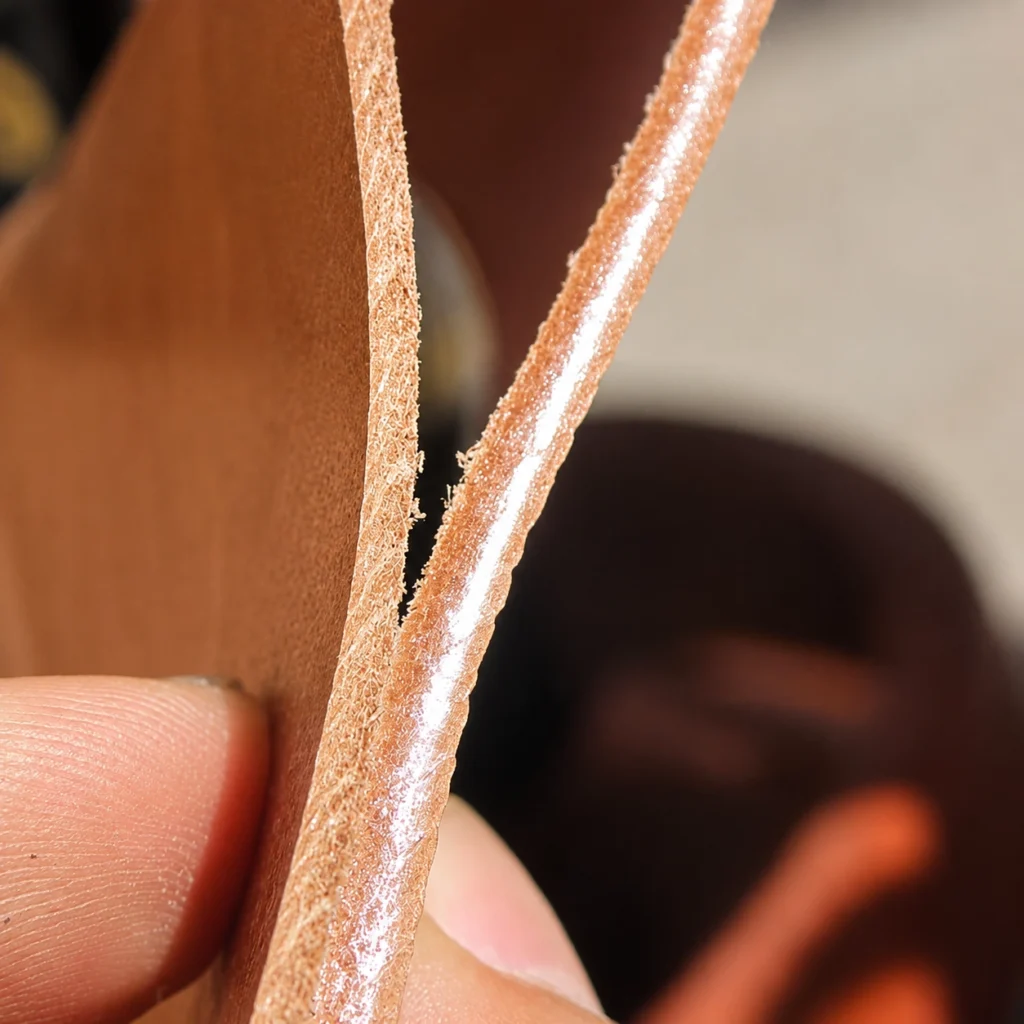
The backing fabric is often hidden inside the finished product, but it can strongly affect production behavior.
A firmer backing may improve stability and reduce unwanted stretch. This can work better for structured panels or parts that need consistent shape. However, it may also make the material feel less soft.
A softer or lighter backing can improve drape and flexibility. It may suit garments, soft bags or flexible shoe parts. The tradeoff is that it may offer less structural support.
The backing may also affect adhesive bonding, lamination, cutting edges and stitching. Buyers should explain whether the material will be sewn, folded, glued, laminated or heat processed.
Changing the backing while keeping the same surface is sometimes possible. However, the change may still alter thickness, stretch, embossing expression and hand feel. A new sample should be approved after any backing adjustment.
A Practical Custom PU Leather Sample Development Process
- Define the product application: Explain whether the material is for shoes, bags, garments, gloves or box covering.
- Provide a reference: Send a physical swatch, color reference, texture close-up, finished product or specification sheet.
- Select a starting material: Compare existing swatches before requesting a completely new construction.
- Develop and review the sample: Check color, texture, thickness, backing, hand feel and surface finish together.
- Test the sample in the final product: Cut, stitch, fold, laminate or assemble it under realistic production conditions.
- Confirm the approved reference: Keep the approved material sample as the basis for production communication.
Starting from an existing material direction is often more efficient than changing every specification at once. It also helps the buyer and supplier identify which adjustment caused a visible or functional difference. When moving from development yardage to bulk supply, the guide to buying faux leather by the yard or by the roll helps define usable width, order quantity and production consumption.
What Buyers Should Send Before Development Starts
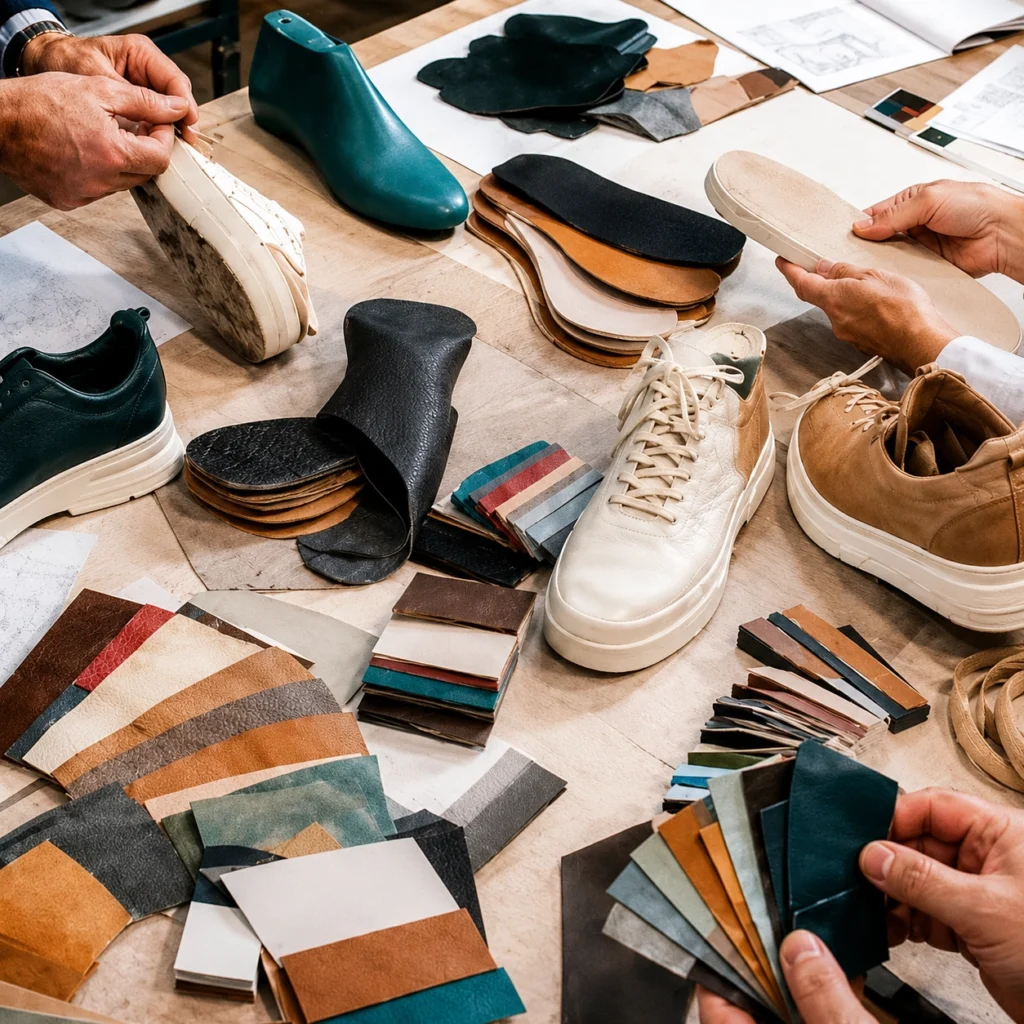
A clear project brief can reduce unnecessary sample revisions. Buyers should provide as many of the following details as possible:
- Finished product type and material position
- Target thickness or acceptable thickness range
- Color reference or physical color sample
- Texture photo and preferred embossing depth
- Matte, semi-matte, glossy or other finish direction
- Soft, firm, dry, smooth or other hand-feel description
- Preferred backing or required structure
- Estimated order quantity
- Target market
- Expected cutting, sewing, gluing or lamination process
- Testing requirements that apply to the finished project
Descriptions such as “soft,” “luxury” or “high quality” are too subjective when used alone. A physical reference and clear application information provide more useful development guidance.
Common Problems That Cause Sample Revisions
- Selecting by photo only: Photos do not confirm thickness, backing or hand feel.
- Changing several variables together: It becomes difficult to identify why the result changed.
- Approving color before texture: The final grain may change how the color appears.
- Ignoring the backing: The surface may look correct while the material behaves incorrectly in production.
- Skipping product trials: A flat swatch cannot fully show folding, sewing or lamination behavior.
- Using vague descriptions: Words such as soft or firm need a sample or measurable reference.
Buyers often underestimate how much sample accuracy depends on the quality of the original project information.
Market and Testing Requirements Should Be Defined Early
For products entering the European market, buyers may need to review obligations connected with the EU REACH Regulation.
For products sold in California, the finished product and potential exposure may need to be reviewed in relation to Proposition 65 requirements.
These requirements should not be treated as universal material labels. The correct test plan depends on the material construction, finished product, intended market and customer requirements.
Testing requirements should be discussed before final material approval. When practical, testing should use the final approved material construction rather than an earlier development sample.
How Danhon Supports Custom Material Development
Danhon supports application-based PU artificial leather development for shoes, bags, garments, gloves, jewelry boxes and packaging.
Buyers can browse current PU leather materials or review Danhon’s material development approach before submitting a custom project.
The most useful inquiry includes the finished application, color direction, preferred texture, thickness range, backing requirements, target hand feel, quantity and market information.
Key Takeaway
Successful custom PU leather development is not about selecting the most attractive color or grain separately. It is about building a material combination that looks right and works correctly in the finished product.
Start with the application. Compare physical samples. Approve color on the final texture. Check thickness together with backing and hand feel. Finally, test the material under real cutting, sewing, folding or lamination conditions.
Frequently Asked Questions
What if a custom sample is approved but the supplier cannot reproduce its grain tool?
Clarify tooling availability and confirm the proposed production route before issuing release. Keep a new trial open if a substitute tool changes the approved appearance.
How should a custom project handle a buyer-owned texture reference?
Clarify usage rights and who may retain or reuse any tooling or pattern data. Do not assume that receiving a reference authorizes copying protected artwork or a branded design.
What if a custom development round changes several variables at once?
Give each candidate a clear version and list all changed fields. Where the reason for a result is unclear, isolate the relevant variables in the next trial instead of declaring one formulation universally better.
Can a development request describe only the areas that differ from an old sample?
Identify the complete governing baseline and list each requested change against its revision. Include unchanged critical requirements so a partial change request does not become an incomplete production specification.
Who should release a custom sample for bulk production?
Assign a responsible buyer approver and record the material version, relevant tests and accepted exceptions. A supplier sending a revised swatch is not the same as a documented production release.
Prepare Your Custom PU Leather Request
Share your product application, preferred color, texture, thickness, backing, hand feel and estimated quantity. A physical swatch, product photo or specification sheet will help clarify the development direction.
For sample matching, color-card selection or application-based material recommendations, Contact Danhon for PU Leather Samples and Custom Material Support.