Quick Answer: Is PU Leather Durable?
Yes, PU leather can be durable enough for many bags, shoes, garments, accessories and covering applications, but durability is not guaranteed by the words “PU leather.” PU leather durability depends on the coating construction, backing, surface finish, application conditions and the type of wear the material will face. For B2B buyers, the safer question is not simply “is PU leather durable?” but “which durability properties does this product need, and how will we verify them before production?”
A material can look excellent on a new swatch and still behave poorly under repeated rubbing, bending, humidity or coating stress. The opposite is also true: a PU leather that does not feel unusually thick or rigid may perform well when its construction is correctly matched to the application. This is why appearance, thickness and marketing descriptions should not be used as substitutes for application-based evaluation.
PU Leather Durability Is Not One Property
Buyers often use “durability” as if it describes one measurable characteristic. In practice, synthetic leather durability can involve several different failure modes, and the important ones change according to the finished product. A handbag panel, shoe vamp and jewelry box covering may all use PU leather, but they do not experience the same stresses.
For example, a bag may face repeated surface rubbing, pressure around corners and movement at zipper areas. A shoe upper experiences repeated flexing and may also face abrasion, moisture and coating stress. Packaging material may experience very little repeated flexing but still needs stable surface appearance, clean adhesion and good behavior when wrapped around corners.
A useful durability discussion therefore separates the broad word “durable” into specific questions.
| Durability Area | What Buyers Are Really Checking | Possible Evaluation Direction |
|---|---|---|
| Abrasion | How the coated surface reacts to repeated rubbing | Coated-surface abrasion testing where relevant |
| Flexing | Whether repeated bending causes cracking or visible damage | Repeated flex testing |
| Coating adhesion | Whether the coating remains bonded to its base | Coating adhesion evaluation |
| Hydrolysis | How a polyurethane construction responds to warm and humid ageing conditions | Accelerated hydrolysis conditioning when relevant |
| Backing stability | Whether the substrate stretches, tears or loses support | Application-specific physical evaluation |
| Surface appearance | Whether gloss, grain and color remain acceptable after use | Visual review plus relevant performance tests |
These are not universal test requirements. The final test plan should be selected according to the product, buyer specification, market and actual material construction.
Surface Wear Is Only One Part of PU Leather Durability
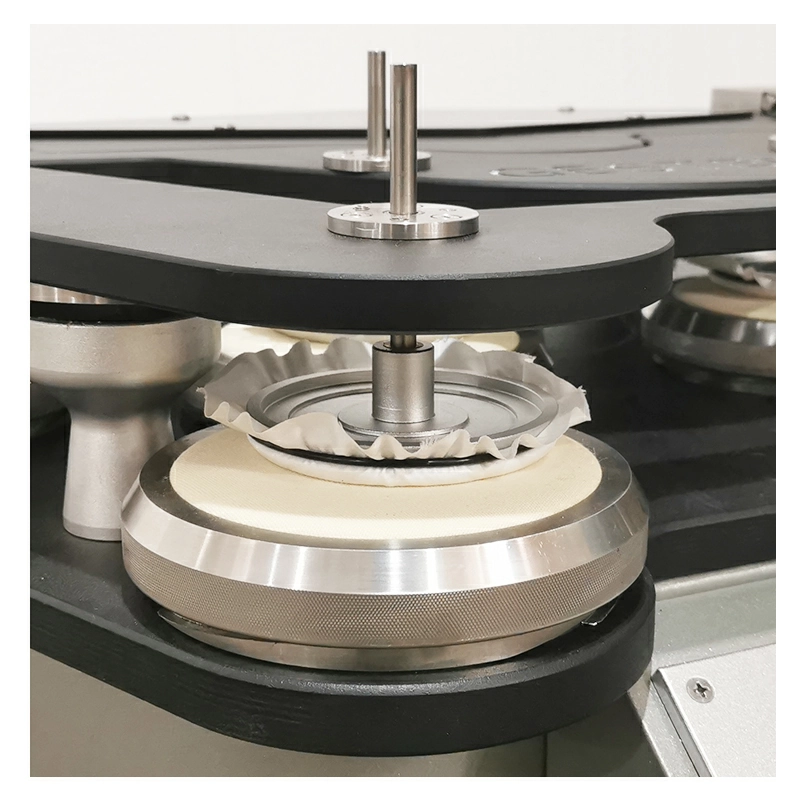
Scratch resistance is often the first durability question buyers ask because surface damage is easy to see. However, a quick scratch test cannot represent the full abrasion behavior of a coated material. Repeated rubbing can create gradual wear that is very different from one sharp contact.
ISO 5470-2:2021 provides methods for determining wet and dry abrasion resistance on coated surfaces using a Martindale abrader. This type of reference is useful when abrasion is important to the project, but the buyer still needs appropriate test conditions and acceptance criteria. Passing an abrasion test also does not prove that the material will resist flex cracking, hydrolysis or coating separation.
Surface grain should not be treated as a shortcut either. A deeper pebbled or embossed grain may make minor marks less visually obvious in some products, but embossing depth alone does not prove better abrasion performance. The complete surface coating and construction still need to be considered.
Repeated Flexing Matters More for Some Products Than Others
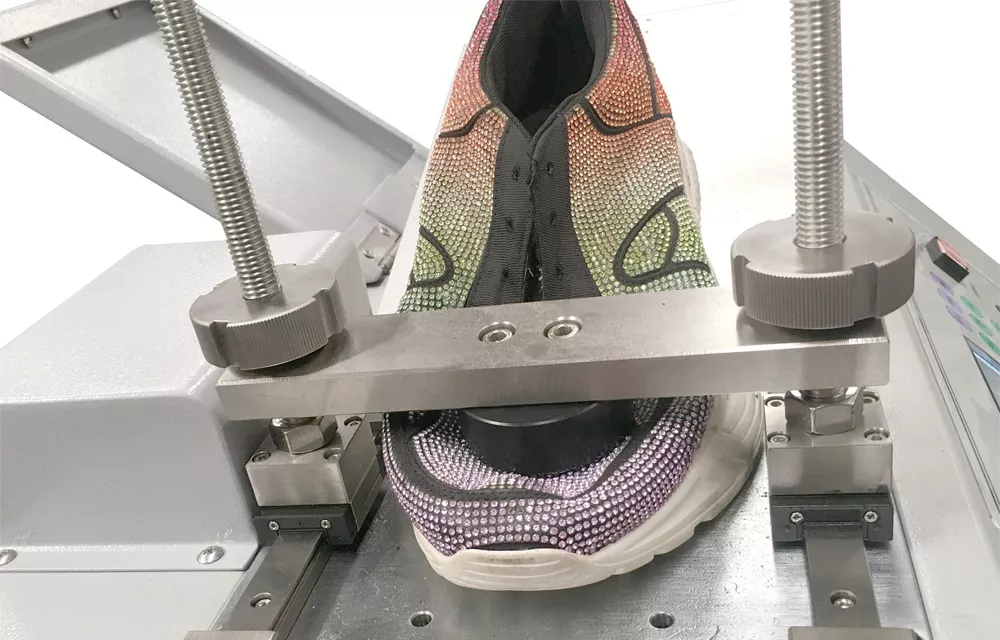
A flat PU leather swatch can look stable while repeated movement creates a completely different result. This is particularly important for shoe uppers, soft bags, folding wallet sections and other components that bend during normal use. Buyers should watch for coating cracks, whitening, permanent crease marks, grain distortion or other visible changes after repeated movement.
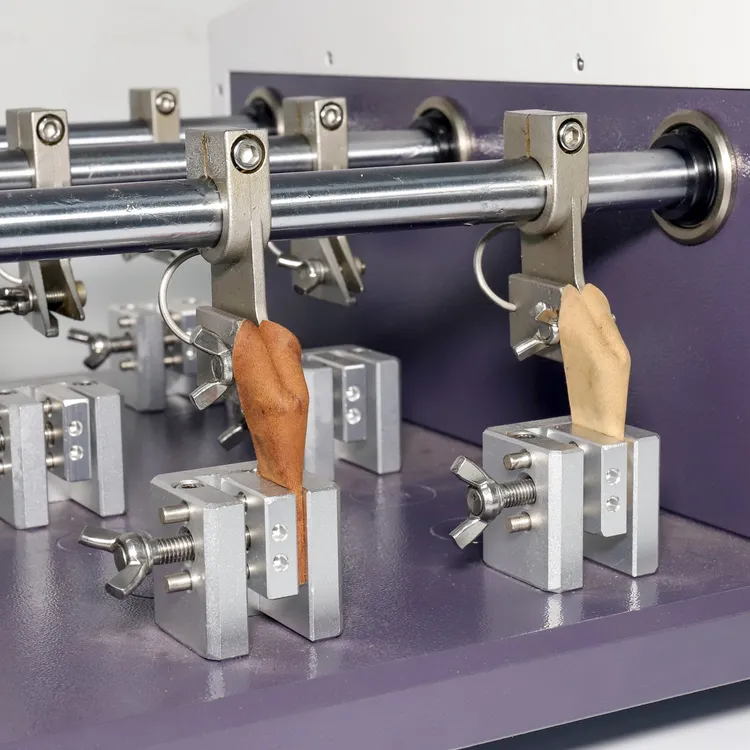
ISO 7854 describes methods for assessing resistance to damage by repeated flexing in rubber- or plastics-coated fabrics. Footwear programs may also use test methods selected specifically for shoe upper materials. The test direction should therefore come from the actual product specification rather than from a general claim that one PU leather is “flex resistant.”
A common sourcing mistake is checking flexibility only by bending the sample once by hand. That can help compare softness, but it does not reproduce repeated use. Where flexing is critical, the material should be evaluated in the bending direction and construction that are relevant to the final product.
Hydrolysis Can Be a Separate Durability Risk
PU leather lifespan discussions often ignore ageing conditions. Some polyurethane materials may be vulnerable to hydrolytic deterioration depending on the polymer chemistry, construction and environment, so warm and humid conditions can become important for selected applications. This is different from ordinary surface abrasion and should not be treated as the same durability problem. For a more focused failure review, the guide to why PU leather can peel separates peeling from cracking and explains the checks that each concern requires.
SATRA TM344, for example, describes accelerated hydrolysis conditioning for polyurethane solings and polyurethane-coated materials before mechanical performance is evaluated. For PU upper materials, subsequent evaluations can include areas such as flex cracking, coating adhesion or rubbing performance. This type of accelerated conditioning is especially relevant when hydrolysis resistance is a defined concern, but it should not be applied blindly to every PU leather project.
Buyers should therefore be careful with statements such as “hydrolysis resistant” unless the requirement, test method and acceptance criteria have been defined. A supplier description alone cannot establish how a material will perform throughout every possible storage or use condition.
Coating Adhesion and Backing Can Fail Before the Surface Looks Worn
A PU artificial leather is more than its visible top surface. Its complete construction may include coating layers, bonding systems and a textile backing, and each part can influence how the material behaves. Two samples can have almost identical grain and color while responding differently to stretching, folding or repeated handling.
Coating adhesion is one example. ISO 2411:2024 specifies a method for determining coating adhesion strength in coated fabrics. This can be relevant when the project is concerned about coating separation, but the result should still be interpreted together with the complete product design and required use conditions.
Backing fabric also affects durability in ways that are difficult to judge from a front photograph. A stable backing may improve structural support, while another backing may be chosen for greater softness or movement. Neither direction is automatically better; the correct choice depends on whether the finished product needs structure, flexibility, drape or repeated forming.
Is PU Leather Durable for Bags?
PU leather can be suitable for bags, but the durability requirement should be matched to the actual bag structure. A small fashion pouch, structured handbag, backpack and luggage panel do not face the same level or type of wear. Buyers should identify where repeated rubbing, folding, loading or contact is likely to occur before deciding which material performance matters.
For example, the bottom and side panels of a backpack may experience more rubbing than an internal decorative panel. Handles, zipper surroundings and folded corners can also create local stress that is not visible when evaluating a flat swatch. A material should therefore be tested in representative construction rather than approved only because the surface feels strong.
This also explains why thicker PU leather is not automatically more durable for bags. Thickness may add body, but backing, coating construction and surface behavior remain important. A thicker but poorly matched material can still create problems during folding or stitching.
Is PU Leather Durable for Shoes?
Footwear creates a different durability challenge because shoe uppers move repeatedly during wear. Areas around the vamp, toe and side panels may bend thousands of times over a product’s use, while other areas face rubbing, shaping and stitching stress. A material that works for a structured handbag should therefore not automatically be approved for footwear. For wet-use designs, assess waterproof synthetic leather requirements separately from general durability because finished seams and repeated movement can change water-related performance.
Buyers sourcing PU leather for shoes should define whether flexing, abrasion, coating adhesion, hydrolysis or another property is important to the program. They should then compare samples using the relevant finished-product construction and agreed test requirements. The goal is not to make every test number as high as possible, but to confirm that the selected material fits the actual shoe design.
How to Evaluate PU Leather Durability Before a Bulk Order
The most useful durability review begins before testing starts. Buyers should first describe the finished product, material position, expected movement and main wear conditions. Without this information, asking a supplier for “high-durability PU leather” can lead to very different interpretations.
A practical approval process can include:
- Define the product application and the area where the PU leather will be used.
- Identify the likely failure modes, such as rubbing, repeated bending, coating separation or humid ageing.
- Compare physical samples with similar construction rather than comparing unrelated materials.
- Fold, stitch, form, laminate or assemble a representative test piece where practical.
- Agree on formal performance tests only where they are relevant to the project.
- Define the test method and acceptance criteria before relying on the result.
- Keep the approved material as a production reference.
- Review significant changes to backing, coating, finish or construction before bulk approval.
This approach also reduces a common problem in supplier communication. If a buyer asks only for “the most durable PU leather,” the supplier does not know whether durability means abrasion, flexing, hydrolysis, backing strength or another property. Defining the failure risk first makes sample selection and testing more useful.
Common Mistakes When Buyers Judge PU Leather Durability
One common mistake is assuming that a thick or firm sample must be more durable. Thickness can influence structure, but it does not prove abrasion resistance, adhesion or hydrolysis performance. A thinner construction may sometimes be more suitable when the product requires repeated movement.
Another mistake is judging durability from surface texture. Deep embossing can change appearance, while matte or glossy finishing can change how wear becomes visible. Neither feature alone confirms the underlying mechanical performance.
Buyers also sometimes ask for one test report and treat it as evidence of complete durability. That can be misleading because abrasion, flexing, adhesion and hydrolysis answer different questions. Physical performance testing is also separate from chemical or regulatory compliance for U.S. or European markets.
What Does “PU Leather Lifespan” Really Mean?
There is no reliable universal PU leather lifespan that applies to every material. Service life changes with PU chemistry, coating construction, backing, product design, frequency of use, temperature, humidity, maintenance and other conditions. A fixed statement such as “PU leather lasts five years” is therefore too broad for serious B2B sourcing.
For purchasing teams, measurable requirements are more useful than a promised number of years. Instead of requesting a specific lifespan without test conditions, describe the product environment and define the performance that needs to remain acceptable. This gives the supplier and testing team a clearer basis for material evaluation.
Final Recommendation for B2B Buyers
So, is PU leather durable? It can be, but PU leather durability should always be discussed according to the application and the failure mode that matters to the finished product. Abrasion, repeated flexing, hydrolysis, coating adhesion and backing behavior are different performance questions and should not be reduced to one general “durable” label.
Before production, buyers should compare physical samples, test representative constructions and define project-specific performance requirements where needed. At Danhon, material discussions can include the intended application, thickness, texture, backing, hand feel, surface finish and required testing direction before a final PU leather sample is approved.
Frequently Asked Questions
How should durability data be interpreted when the reported failure mode is not stated?
Ask whether the endpoint was coating damage, substrate rupture, appearance change or another observation. A cycle count without that definition is not a reliable basis for ranking candidate materials.
What should happen if the approved durability sample has an unknown storage history?
Record the uncertainty and compare it with a traceable retained production sample where available. Do not silently replace the master; document how a new reference is selected and approved.
Can a durability report be reused after the material is perforated?
Review the hole pattern, spacing and affected load paths as part of the revised construction. Evaluate representative perforated components before extending an unperforated-sheet approval.
How should buyers investigate wear that appears only where hardware touches PU?
Retain the actual hardware and inspect its edges, movement and contact pressure with the damaged material. A general flat-sheet wear result may not represent this localized contact.
How should buyers handle a supplier's unsupported five-year durability promise?
Ask which construction, use conditions and evidence support the statement and what the warranty actually covers. Use measurable project criteria instead of repeating a lifespan claim that cannot be substantiated.
What if the supplier and buyer use different photographs to judge surface damage?
Agree lighting, distance and the physical damage reference before repeating the assessment. Record disputed observations separately instead of treating differently photographed surfaces as directly comparable results.
Request PU Leather Samples for Application Testing
If you are comparing PU leather durability for bags, footwear or another manufactured product, start with the real use conditions rather than a general durability claim. Share your product application, material position, preferred thickness, surface direction, backing and any performance concerns so suitable samples can be compared before bulk approval.
Contact Danhon for PU Leather Samples and Custom Material Support