
Quick Answer
Leather alternative materials should not be compared only by name. PU, PVC, microfiber and TPU-based materials can all be synthetic leather alternatives, but each route has different surface feel, backing structure, cost logic, claim risk and application fit. For B2B sourcing, the better question is which material route matches the product, target price, buyer claims and sample approval process.
For bags and shoes, PU leather is often the broadest and most practical route because it supports many textures, colors and thickness ranges. Microfiber leather may be worth evaluating when the project needs a denser base or suede-like hand feel. PVC and TPU-based materials can have suitable uses, but they should be reviewed through application needs, physical samples and claim evidence rather than broad marketing terms.
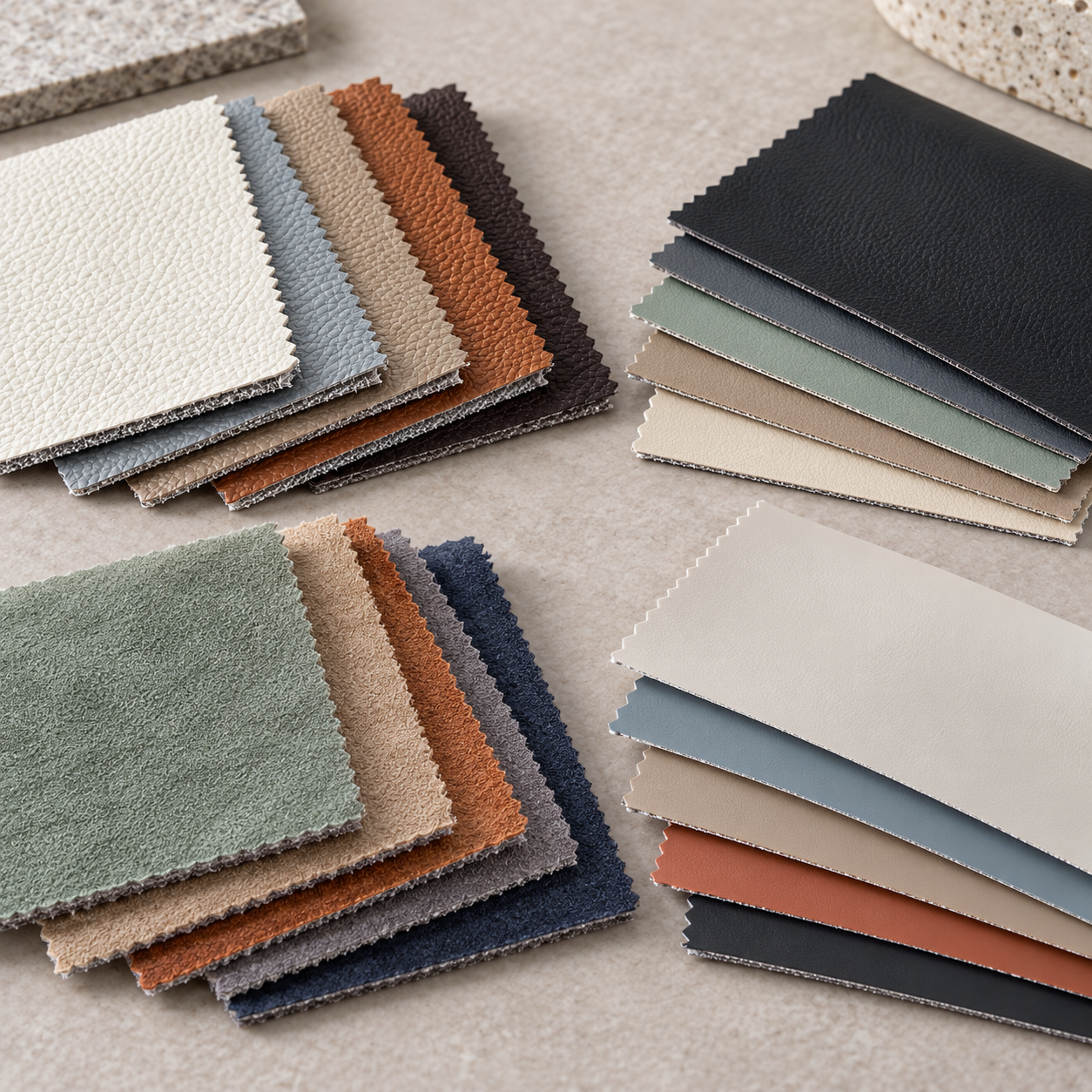
Why Leather Alternative Materials Need Route-Based Comparison
Many sourcing problems begin when buyers treat synthetic leather alternatives as one material family. In practice, the same product brief can point to different materials depending on whether the buyer cares most about soft touch, surface grain, cost range, backing strength, animal-free claims or cleaning expectations. The material name gives a starting point, but it does not replace sample testing or construction details.
A buyer may ask for a vegan leather alternative for shoes, but the real requirement may be flexibility, surface stability, cutting behavior and color consistency. Another buyer may ask for leather alternative materials for bags, but the final decision may depend on whether the bag is structured, soft, embossed, stitched, folded or laminated. Route-based comparison keeps the discussion practical and reduces sample revisions.
PU, PVC, Microfiber and TPU Do Not Describe the Same Thing
PU and PVC usually describe polymer directions used in coating or surface systems. Microfiber often describes a fine-fiber base construction, and TPU-based materials may refer to thermoplastic polyurethane directions used for selected surface, film or composite needs. This is why a buyer comparing PU leather vs PVC leather should not assume that microfiber and TPU belong in the same comparison box without checking construction.
PU leather remains a common leather alternative because it can cover smooth, pebbled, embossed, matte, satin and softer fabric-like directions. Danhon’s guide to what PU leather means in material sourcing explains why the PU label alone still needs more detail. Buyers should ask for surface finish, backing fabric, thickness, width, color direction and final use before approving samples.
Comparison Table for B2B Sourcing Decisions
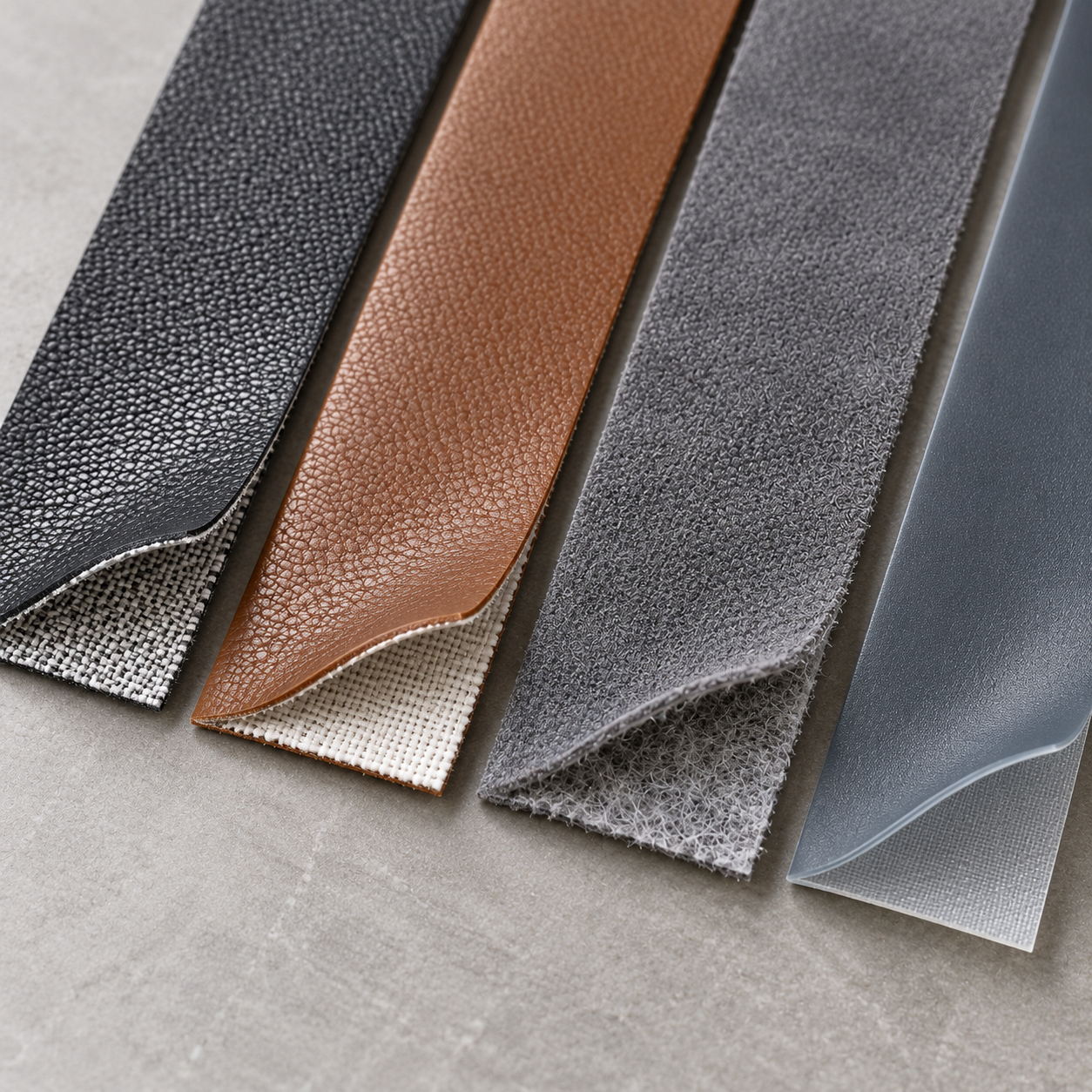
| Material Route | What It Usually Means | Where It May Fit | Main Buyer Check |
|---|---|---|---|
| PU leather | Polyurethane surface system on fabric, nonwoven or other backing | Bags, shoes, garments, gloves, packaging and broad synthetic leather projects | Balance texture, thickness, hand feel, backing and cost |
| PVC synthetic leather | PVC-based coating route with different hand feel and processing behavior | Selected cost-driven, surface-specific or application-specific projects | Check market restrictions, flexibility, surface feel and claim limits |
| Microfiber leather | Fine-fiber base direction, often used for denser or suede-like leather alternatives | Projects that need structure, suede-like touch or a stable base; see microfiber leather options | Confirm base density, surface finish, thickness and edge behavior |
| TPU-based material | Thermoplastic polyurethane direction used for selected surface or composite needs; see TPU material options | Specific performance, surface or flexible-material projects after testing | Review flexibility, surface feel, processing and specification fit |
How to Compare Leather Alternative Materials for Bags
For leather alternative materials for bags, the key question is structure. A tote, wallet, cosmetic pouch and structured handbag do not need the same material behavior. Buyers can start from Danhon’s PU leather for bags guide, then compare alternative routes by thickness, grain depth, backing stability, fold behavior and panel support.
PU leather often works well when a buyer needs broad color development and surface texture choices. Microfiber may be useful when the bag needs a firmer base or a suede-like surface. TPU-based materials should be considered only when the project has a clear reason, because a nice sample surface does not always mean the material will stitch, fold or hold shape in the same way.
How to Compare Leather Alternative Materials for Shoes
For leather alternative materials for shoes, flexibility and repeated bending become more important than surface appearance alone. Shoe buyers should review upper-forming behavior, cutting, stitching, edge finish and how the material reacts during wear-related movement. The selection logic is similar to choosing PU leather for shoes, but alternative routes may change backing feel and production behavior.
PVC-like materials may feel different under flexing, microfiber may give a denser base, and TPU-based materials may need closer project-specific testing. A shoe upper sample should be reviewed under real bending and forming conditions before bulk approval. Buyers should not approve a leather alternative only because the surface looks correct in a flat swatch.
Be Careful With Vegan and Sustainable Claims
Leather alternatives are often described as vegan, eco, sustainable or recycled, but these words do not mean the same thing. The FTC Green Guides summary warns businesses against broad environmental claims that are not properly qualified and substantiated. For B2B sourcing, buyers should separate animal-free claims from recycled content, bio-based content, restricted-substance testing and lifecycle claims.
A vegan leather alternative may still be fossil-based, coated, laminated or difficult to recycle. A recycled or bio-based direction may still need documentation before it can be used in product marketing. Danhon can discuss material directions and testing support according to project requirements, but buyers should avoid asking suppliers to support broad claims without defining the exact evidence needed.
A Practical Shortlist Process Before Sampling
The best shortlist starts with the finished product, not with the material name. Buyers should define the application, target thickness, surface style, backing preference, hand feel, color range, testing direction and claim language before requesting swatches. This helps the supplier avoid sending a sample that looks attractive but fails the product requirement.
In our material selection experience, two or three well-defined sample routes are usually more useful than ten vague alternatives. A buyer can compare one PU route, one microfiber route and one special route such as TPU only when each route has a clear reason. The final approval should come from physical samples, not catalog wording.
FAQ
What should a buyer do when a quotation mixes linear-meter and square-meter prices?
Convert the quotations using the confirmed usable width and a consistent quantity basis. Keep cutting yield and relevant losses visible rather than ranking material routes from the headline price.
Can the shortlist change after the buyer adds a recycled-content requirement?
Yes; confirm which layer and percentage must be supported, then reassess the available candidates and records. Treat the revised claim requirement as a change to the brief, not an automatic property of a shortlisted route.
How should a buyer compare candidates when test reports use different procedures?
Keep the existing results separate and ask for a comparison under a common applicable method. A higher number from another test or endpoint does not establish a better route.
What should happen when the supplier proposes a route substitution after approval?
Hold the change for written review of construction, processing, claims and relevant performance. Release it only after the revised sample and required evidence are approved; a similar surface is not sufficient.
Compare the Right Material Route Before Sampling
If you are comparing leather alternative materials for bags, shoes or other synthetic leather projects, prepare the product application, surface target, thickness range, backing expectation and claim requirements before requesting samples. Danhon can help review whether PU leather, microfiber leather or another synthetic material direction is worth sampling for your project. Contact Danhon for material selection support and share your target product and sample requirements.