Quick Answer: Should Brands Choose PU Leather or Real Leather?
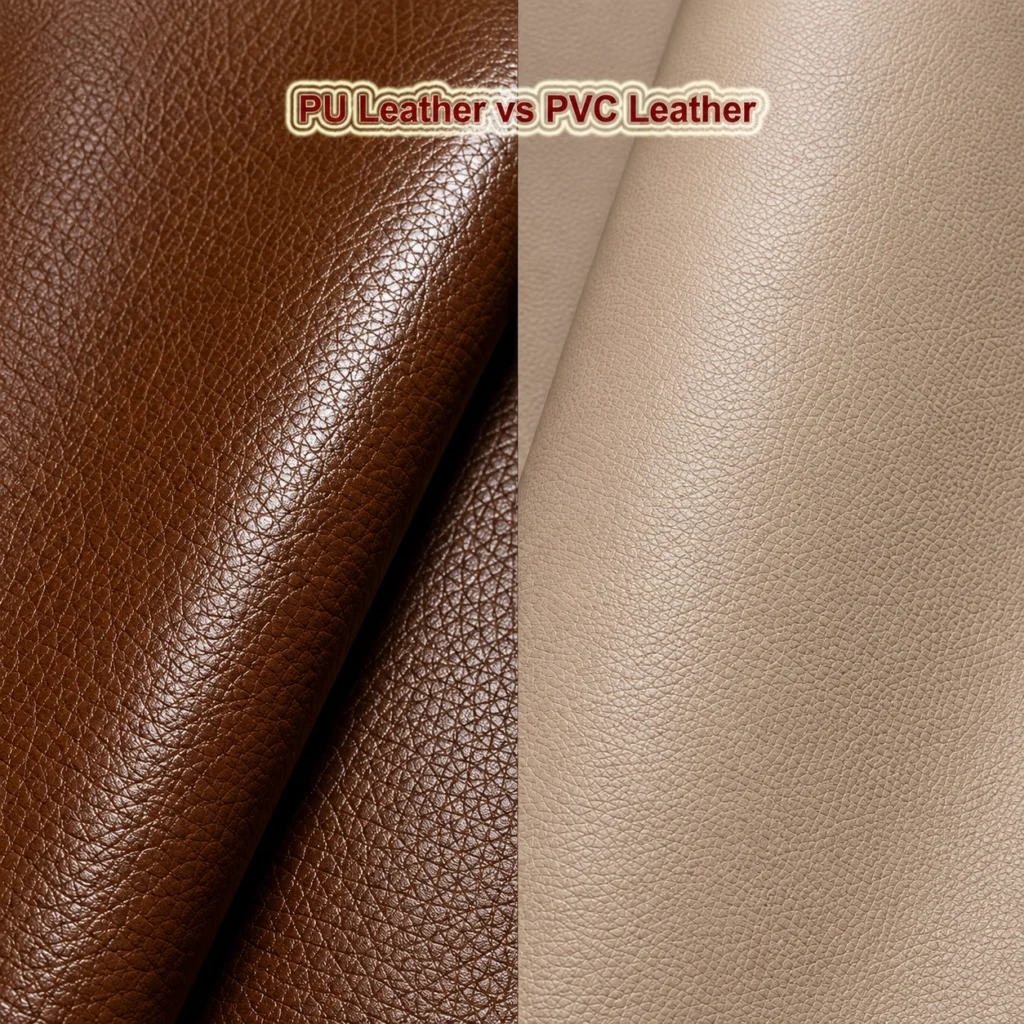
PU leather and real leather can both work well for bags, footwear and other manufactured products, but they solve different sourcing problems. PU leather gives brands greater control over color, grain, backing, thickness and batch appearance, while real leather offers a natural fibrous structure, natural variation and the material character associated with animal hide.
The better choice is therefore not simply the material that looks more expensive or sounds more premium. Product brands should compare the finished application, target appearance, production scale, material consistency, expected aging, cost structure and market positioning before deciding between PU leather vs real leather.
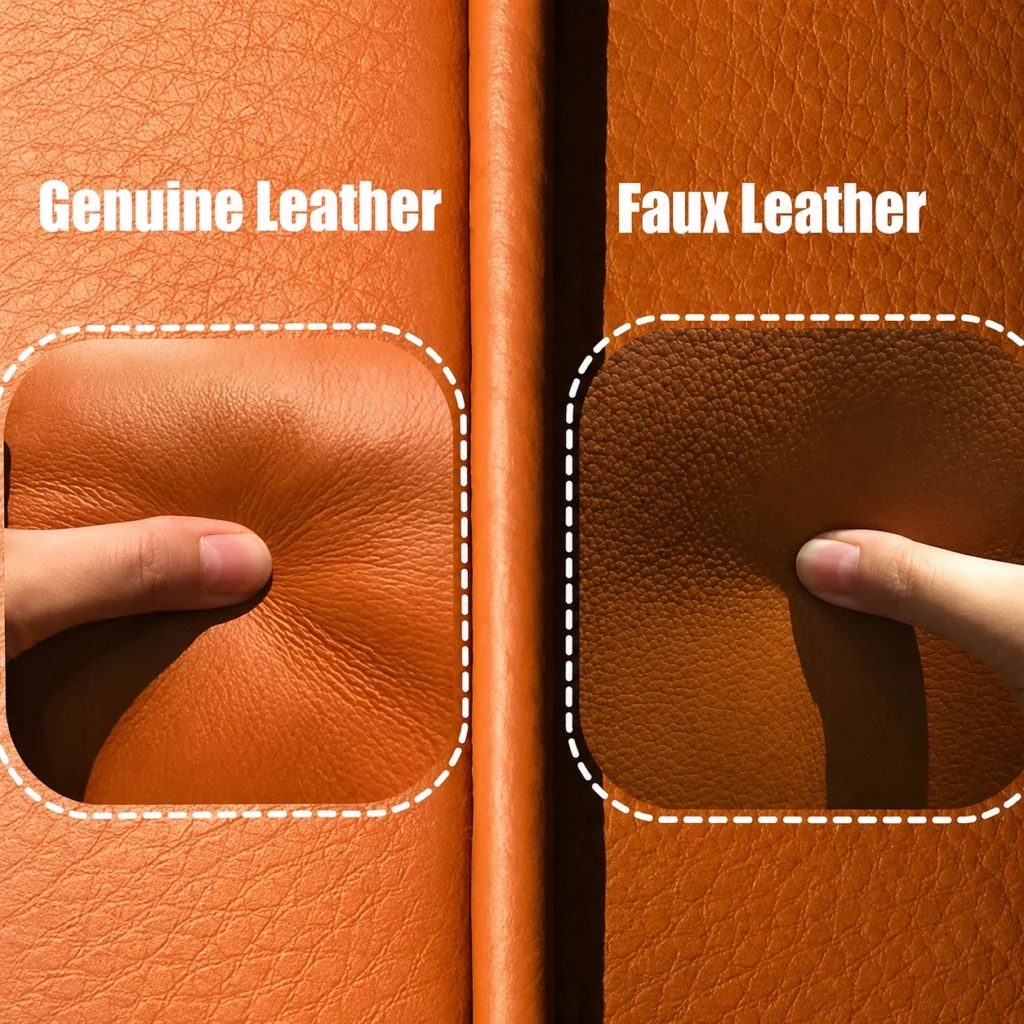
PU Leather vs Real Leather at a Glance
| Buyer Factor | PU Leather | Real Leather | What Brands Should Check |
|---|---|---|---|
| Material construction | Polyurethane-based artificial leather, usually combined with a supporting substrate | Tanned animal hide or skin | Confirm the exact construction or leather grade |
| Surface consistency | Can be developed with controlled grain, color and finish | Natural grain and markings vary between hides | Decide whether consistency or natural variation suits the collection |
| Color development | Broad custom color and finish control | Dyeing and finishing are possible, but hide variation remains | Compare actual production samples |
| Shape and supply form | Normally supplied in rolls with consistent working width | Supplied as individual hides or skins with irregular shapes | Consider cutting layout and usable area |
| Hand feel | Can be engineered from soft to firmer directions | Depends strongly on animal type, tanning and finishing | Compare physical samples rather than material names |
| Aging | Surface appearance depends on coating construction and use | Selected leather types may develop natural wear and patina | Define the expected product lifecycle |
| Cost | Can provide more predictable specification-based sourcing | Depends on leather type, grade, hide quality and yield | Compare usable material cost, not only quoted unit price |
| Animal origin | Artificial material direction | Animal-derived material | Check brand positioning and material claims |
| Production consistency | Color, grain and backing can be controlled within an approved specification | Natural variation must be managed during cutting and grading | Decide how much variation the design can accept |
The table should be treated as a sourcing framework rather than a quality ranking. A well-developed PU material can be more suitable than genuine leather for one product, while a carefully selected leather grade may be the better choice for another.
Start With the Product Requirement, Not the Material Prestige
One of the most common mistakes in material sourcing is deciding that real leather is automatically the premium option or that PU is automatically the economical option. Those labels ignore how the finished product is designed, manufactured, priced and sold. A structured handbag, fashion shoe, promotional accessory and long-life leather good may all need very different material behavior.
For a product brand, the first question should be what the material needs to do. Consider the required softness, structure, grain, color consistency, edge treatment, stitching process, target retail price and expected use. Once those requirements are clear, PU and genuine leather can be compared against the same product specification instead of against general assumptions.
Brand positioning matters as well. Natural variation and aging may be part of the appeal of a genuine leather product, while another collection may depend on highly consistent colors and surfaces across thousands of units. Neither direction is automatically better; they represent different product strategies.
Material Construction Changes How Production Behaves
Real leather is made from animal hide or skin whose original fibrous structure remains to varying degrees after tanning and processing. Because the raw material comes from individual hides, grain, thickness, scars and usable area can vary. Sorting and cutting decisions therefore form part of the production process.
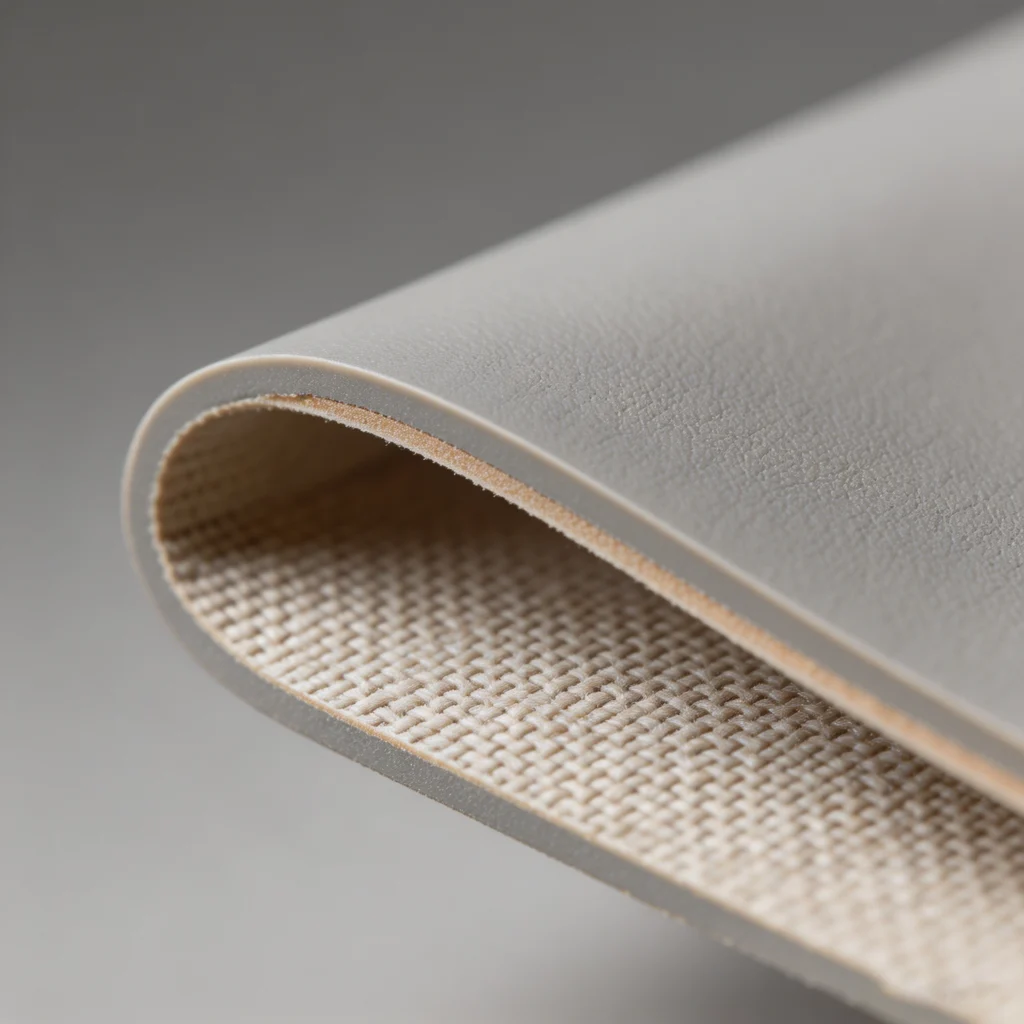
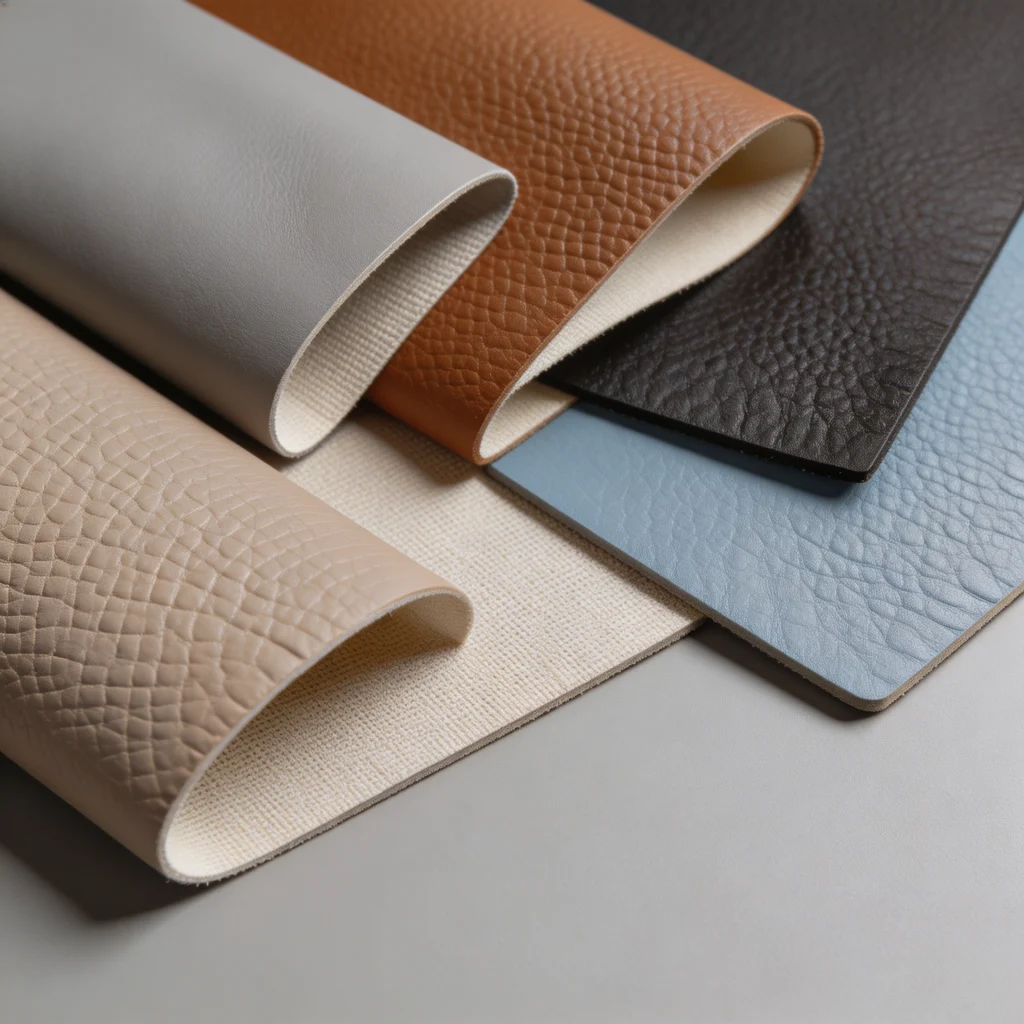
PU artificial leather follows a different material logic. A PU surface or coating system is normally combined with a supporting textile or other substrate, and suppliers can adjust elements such as backing, thickness, grain, embossing, finish and hand feel. This gives product developers more control over the specification, although the words “PU leather” alone still do not guarantee any particular level of performance.
This difference becomes important at production scale. A small material swatch may make PU and real leather look surprisingly similar, but the factory experiences them differently when nesting patterns, matching panels, folding edges and controlling color between production batches.
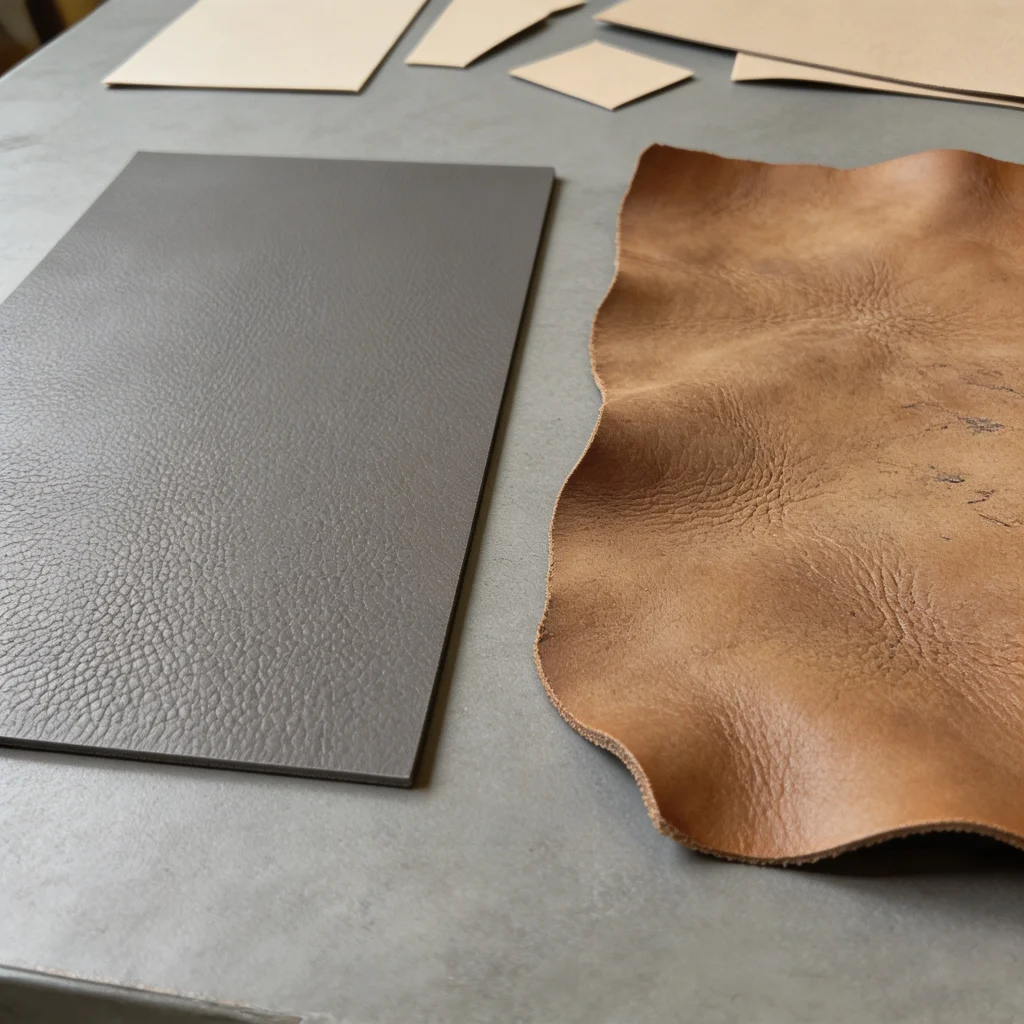
PU Leather vs Real Leather for Bags
Bag brands should look beyond the surface when comparing PU leather vs real leather for bags. A handbag material has to work with reinforcement, lining, edge paint, hardware, stitching and the overall structure of the design. Large panels also make color and grain differences more visible than they appear on a small sample.
PU leather can be useful when a collection requires repeatable colors, a controlled embossing pattern or a specific balance between softness and structure. Backing can also be selected to support different bag constructions. However, the material should still be trialed with the real reinforcement, folding and sewing method because an attractive swatch does not prove that it will work in the finished bag.
Real leather brings a different design character. Natural markings and grain variation may be desirable for brands that want every piece to look slightly different, but the same variation can create additional grading and panel-matching decisions when a collection requires a very uniform appearance. Brands should decide whether variation is part of the product story or a production issue before sourcing begins.
PU Leather vs Real Leather for Shoes
Footwear adds another layer because the upper material needs to form around curved shapes and move at repeated flexing areas. A flat sample may look excellent while behaving differently after lasting, stitching and bending. This applies to both PU and genuine leather.
PU shoe materials can be developed in different thickness, backing and surface directions, which gives footwear teams control over appearance and construction. The material should still be checked for the actual upper position, bending direction and any project-specific flexing, abrasion or adhesion requirements. Performance cannot be assumed only because the material is described as PU.
Real leather also varies greatly according to hide type, leather section, thickness, tanning and finishing. A soft leather intended for one shoe construction should not be compared with a structured PU sample simply because both are described as upper materials. For a useful comparison, buyers should ask suppliers for materials that are intended for the same shoe type and evaluate them under similar production conditions.
Material description also matters in target markets. In the United States, the FTC Leather Guides address representations about leather and imitation-leather products, while EU footwear rules distinguish material categories used for the upper, lining and sock, and outer sole. Product brands should therefore keep material identification and finished-product labeling in mind when developing the final specification.
Durability Is More Complicated Than “Real Leather Lasts Longer”
Durability is often the deciding argument in PU vs genuine leather discussions, but it should not be treated as one universal ranking. Real leather performance can vary according to hide quality, tanning, finishing, thickness, maintenance and the conditions in which the product is used. PU leather performance also depends on resin formulation, coating construction, backing, surface finish and application conditions. For the synthetic option, use the PU leather durability guide to separate abrasion, repeated flexing, hydrolysis and coating adhesion in the buying specification.
The two materials can also fail or age in different ways. Selected real leather products may soften, darken or develop patina during use, while surface-coated materials can show rubbing, cracking, peeling or other coating changes when their construction or use conditions are unsuitable. These possibilities should be discussed as material-specific risks rather than as guaranteed outcomes.
For brands, the practical question is therefore not simply, “Which material lasts longer?” A better question is, “What type of wear will this product face, and what appearance is acceptable after that wear?” Physical samples and project-specific testing provide much more useful information than a general durability claim.
Compare Total Production Cost, Not Only Material Price
Material price is only one part of the cost comparison. Real leather quotations may be affected by animal type, grade, hide size, usable area, sorting and the amount of natural variation the product design can accept. A lower price per unit of area does not always translate into the lowest finished-product material cost if cutting yield becomes less predictable.
PU leather is usually supplied in a more regular roll format, making pattern layout and material planning easier to standardize. However, a PU quotation can also change substantially with backing, thickness, embossing, surface finish, color development and required performance. Comparing a basic PU construction against a high-grade leather does not provide a meaningful sourcing decision.
Brands should therefore compare total cost at the product level. Include usable cutting yield, rejected areas, panel matching, sample revisions, processing behavior, testing requirements and the effect that the material has on the final retail positioning.
Sustainability and Material Claims Need a More Careful Comparison
PU leather should not automatically be described as sustainable simply because it avoids animal hide. Real leather should not automatically be described as sustainable simply because it is a natural-origin material. Both material routes involve different raw materials, processing systems, chemicals, supply chains, durability considerations and end-of-life questions.
The same caution applies to terms such as vegan leather, eco-friendly leather and sustainable leather. A PU material can support an animal-free product direction, but brands should verify the complete product and supply chain before making broad consumer-facing claims. Environmental claims should be linked to specific evidence rather than assumed from the material name.
For sourcing teams, sustainability is more useful when converted into measurable project requirements. Ask what attribute needs to be improved, which part of the material it applies to, and which document or test supports the claim. This approach is more reliable than trying to declare one entire material category the environmental winner.
Compare PU and Genuine Leather Through a Controlled Sample Review
The most reliable PU leather vs real leather comparison uses samples prepared for the same product rather than unrelated swatches. If one material is much thicker, softer or more heavily finished than the other, the comparison may reveal more about the specifications than about the material categories.
A useful sample review should include:
- the same or similar target color;
- comparable thickness and structure;
- the required surface grain or finish;
- intended bag or footwear application;
- cutting and stitching checks;
- edge folding or wrapping where relevant;
- forming or flexing for footwear;
- rubbing and surface appearance checks;
- comparison beside the real lining, reinforcement and hardware;
- project-specific testing requirements.
Keep the shortlisted materials after the review. Mark the exact supplier reference, color, thickness, backing and approval status so the sourcing team does not later compare a new production material against an unidentified sample.
How Danhon Supports PU Leather Material Comparison
Danhon focuses on PU artificial leather for shoes, bags, garments, gloves, jewelry boxes and packaging. For brands considering a switch from genuine leather to PU, the useful starting point is not simply a photograph of the original product. A physical material reference, target application, thickness direction, grain, color, hand feel and expected product structure provide a much clearer development brief.
A PU option does not need to copy every characteristic of genuine leather. In many projects, the better objective is to identify which characteristics actually matter to the product, then develop the color, grain, backing, thickness and hand feel around those requirements through custom PU leather development. Physical sample approval should remain the final reference before bulk production.
Key Takeaways
- PU leather and real leather are different material systems, not simply high- and low-quality versions of the same material.
- Real leather offers natural hide structure and variation, while PU gives brands greater control over surface, color and material construction.
- Bags should be compared by structure, panel appearance, edge behavior and production consistency.
- Shoes require additional attention to forming, repeated movement and the specific upper construction.
- Neither material name alone proves durability, sustainability or market compliance.
- Compare usable production cost rather than material price alone.
- Evaluate comparable physical samples before choosing the final sourcing direction.
- Product positioning should determine whether natural variation or controlled consistency creates more value.
Frequently Asked Questions
How should cutting yield be compared when hide leather contains natural defects?
Use representative cutting layouts and record which areas are excluded for the intended component. Keep yield assumptions separate from the quoted unit price so the comparison reflects usable panels.
What should a brand do if a PU grain matches one hide sample but not the whole collection?
Decide whether the approved target is a repeatable embossed grain or a specified range of natural variation. Review representative product panels before accepting an appearance match based on one small reference.
Can old leather care instructions be carried over to a PU replacement?
Do not transfer them without checking the revised assembly under the proposed care process. Review cleaners, adhesives, trims and finish together before approving revised care wording.
How should brands compare quotations that use square feet for leather and linear meters for PU?
Convert both to a consistent usable-area basis using confirmed widths and cutting assumptions. Identify allowances and excluded areas so the unit conversion does not hide a yield difference.
How should a substitution decision be documented when changing from hide leather to PU?
Record which appearance variations, assembly settings and claims are approved to change. Retain both reference constructions and obtain approval for the revised prototype before treating the substitution as equivalent.
Can a retail price target justify comparing unrelated leather grades?
It can define a commercial constraint but not a like-for-like material conclusion. State the actual grade and construction differences so the brand understands which properties are being traded against cost.
Compare PU Leather Samples for Your Product
If you are deciding between genuine leather and PU for a bag, footwear or another product line, start with the finished-product requirements rather than the material name. Share your target application, reference material, color, texture, thickness, backing and hand-feel direction so suitable PU leather options can be compared through physical samples before production. Contact Danhon for PU Leather Samples and Custom Material Support