Quick Answer: Yard and Roll Describe How You Buy the Material
For B2B sourcing, faux leather fabric by the yard and faux leather by the roll are usually different ways of ordering material rather than different grades of faux leather. Buying by the yard gives buyers more control over a smaller quantity, which can be useful during sampling, prototyping or early product development. Buying by the roll is more practical when production requires larger continuous quantities, but buyers still need to confirm the actual width, roll length, material specification and quotation basis.
The important point is that “one roll” is not a universal quantity. Different materials, suppliers and production arrangements may use different roll lengths, so a quotation for ten rolls cannot be compared accurately with another quotation until the actual length and width are known. For wholesale buyers, the better question is not simply “yard or roll?” but “how much approved, usable material am I receiving under the quoted specification?”
Faux Leather Fabric by the Yard Is Useful for Development, Not Just Retail
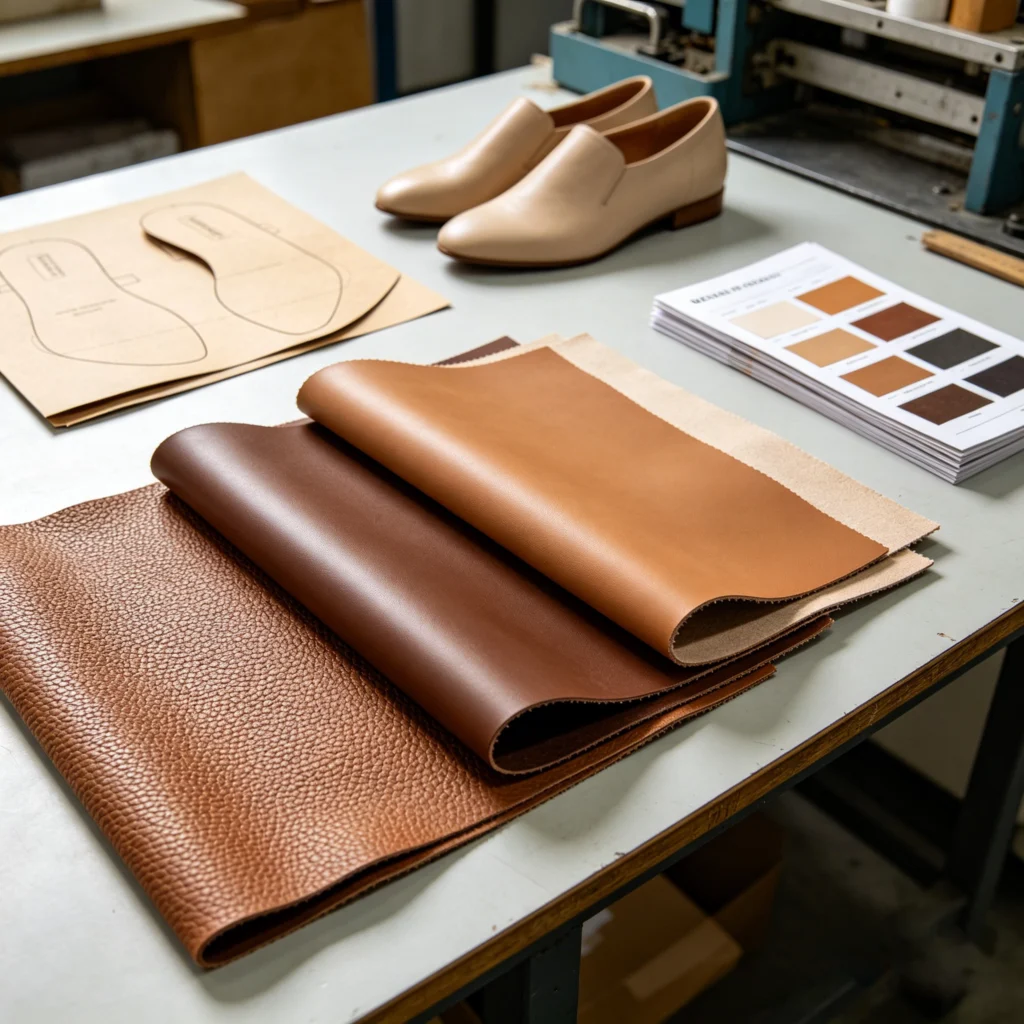
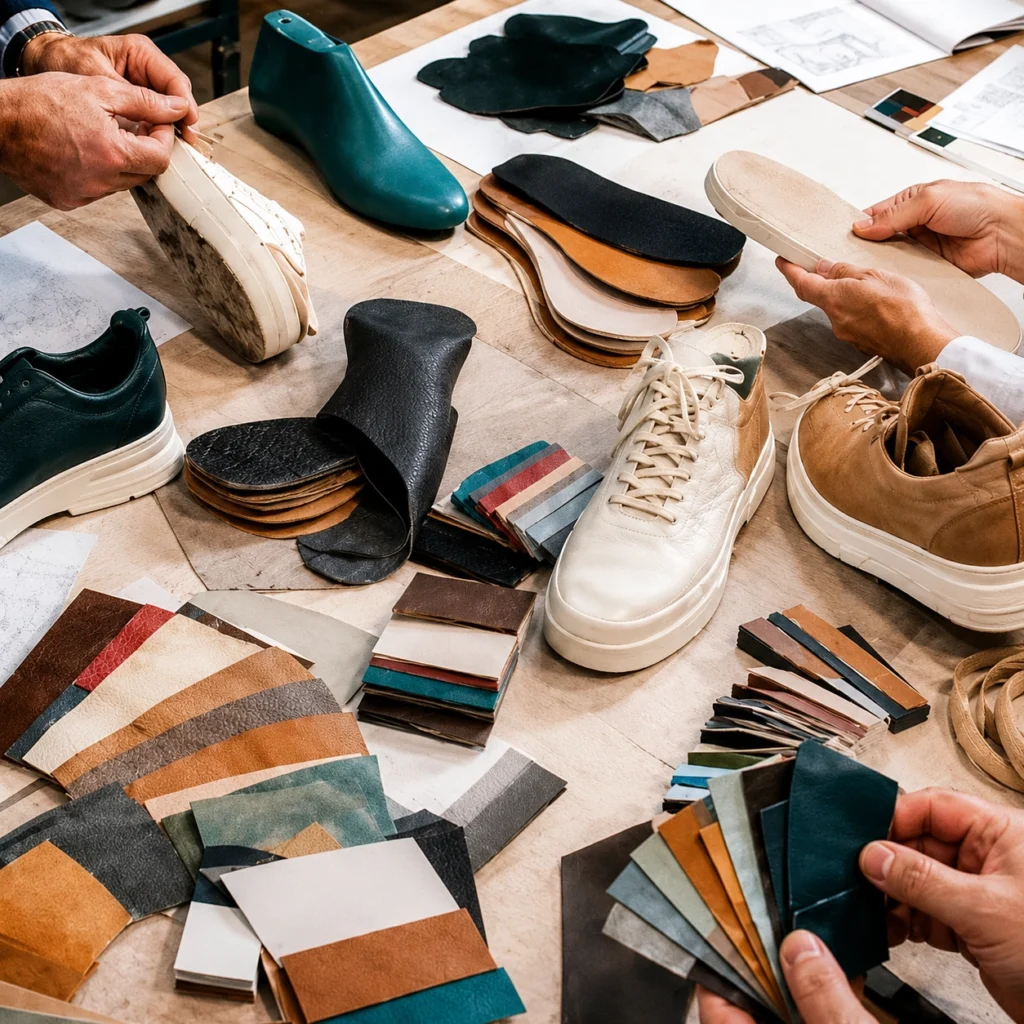
The phrase faux leather fabric by the yard often appears in retail fabric stores, but yard-based purchasing can also have a practical role in B2B development. A buyer developing a handbag, shoe, garment or packaging product may not need a full production quantity at the first stage. Several yards can provide enough material for cutting trials, prototypes, sample construction and comparison with other shortlisted materials.
This is especially useful when the project specification is still changing. A buyer may need to compare two textures, test a different backing or check whether a selected thickness works around seams and folded edges. Ordering a limited length first can reduce unnecessary material commitment before the product team has approved the complete PU leather construction.
However, availability by the yard should never be assumed. A supplier may offer small swatches, sample cuts, development yardage or only production quantities depending on the material and project. Buyers should therefore ask what sample format is available instead of assuming that every artificial leather fabric wholesale supplier can cut any quantity from a production roll.
Faux Leather by the Roll Fits Production Planning Better
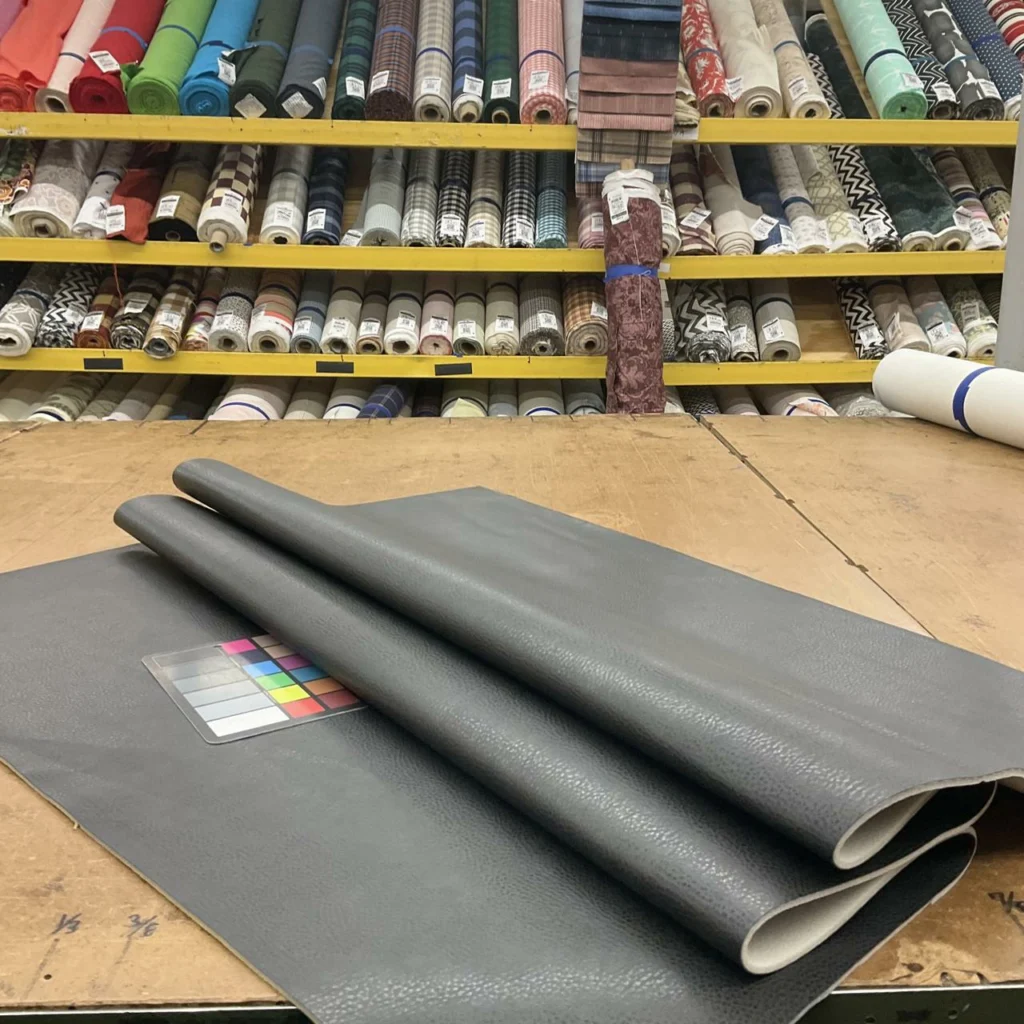
Once a material has been approved, production planning becomes different from sample development. Factories need enough continuous material for cutting plans, repeated components and production batches, so faux leather by the roll often becomes the more practical supply format. The roll also helps protect and handle large lengths of coated material during storage and transportation.
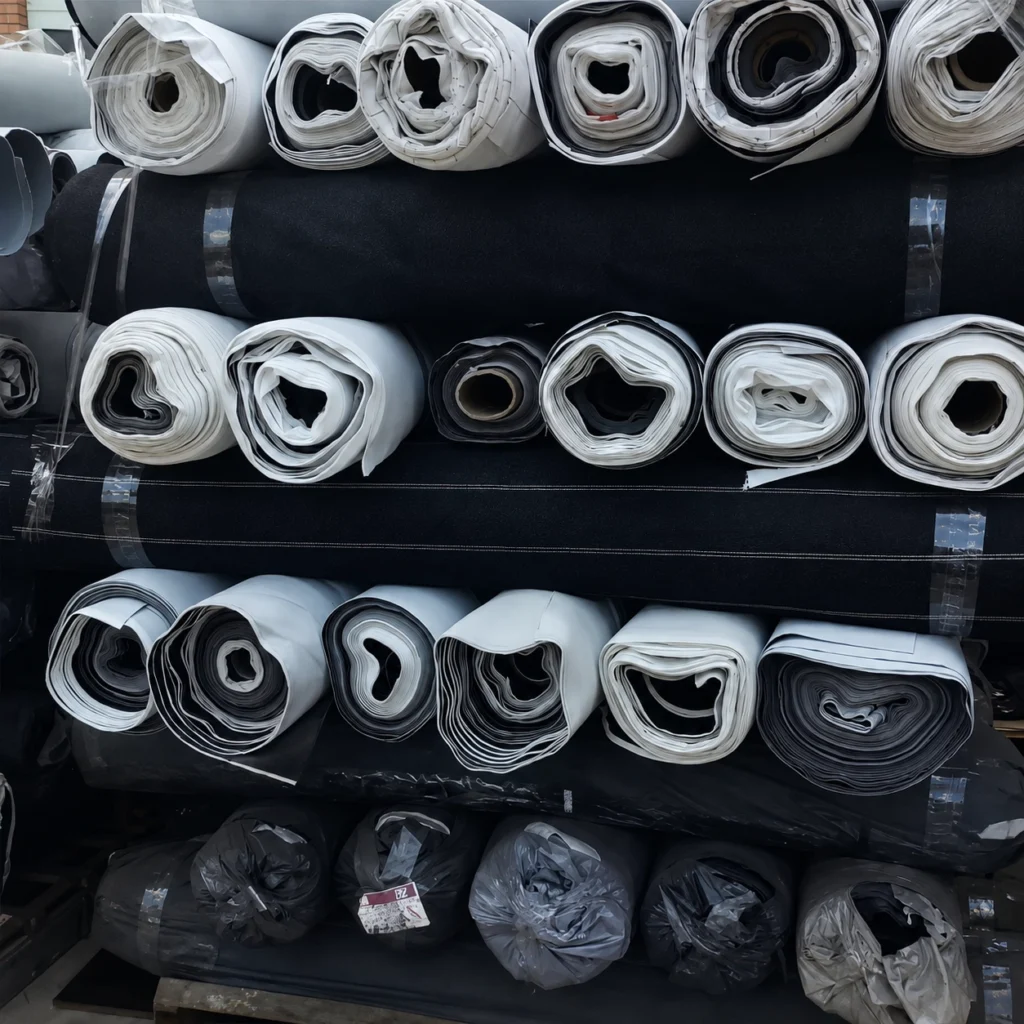
Buying full rolls can simplify quantity planning, but it does not automatically mean that the material is cheaper. Pricing may depend on the material construction, surface process, backing, color, total order quantity and other project requirements. A buyer should therefore compare the complete quotation rather than assuming that changing the unit from yards to rolls creates a fixed discount.
The same principle applies when sourcing faux leather wholesale fabric for several products. A bag collection may use one surface for large body panels and another material for trim, while a footwear project may divide materials between upper panels and decorative components. Production quantities should be calculated from actual material consumption rather than from a general rule such as “one roll per style.”
Compare Width, Length and Usable Material Before Comparing Price
Linear price alone can give a misleading comparison. A quotation of a certain price per yard or per meter only becomes meaningful when the usable width is also known. If two materials have different widths, the lower linear price may not provide the lower material cost for the finished product.
For this reason, B2B buyers should record width together with length. Many PU artificial leather products are supplied in wide rolls, but the exact usable width should be confirmed for the selected material. Buyers making cutting plans should also distinguish between the nominal roll width and the portion that can actually be used for their pattern layout.
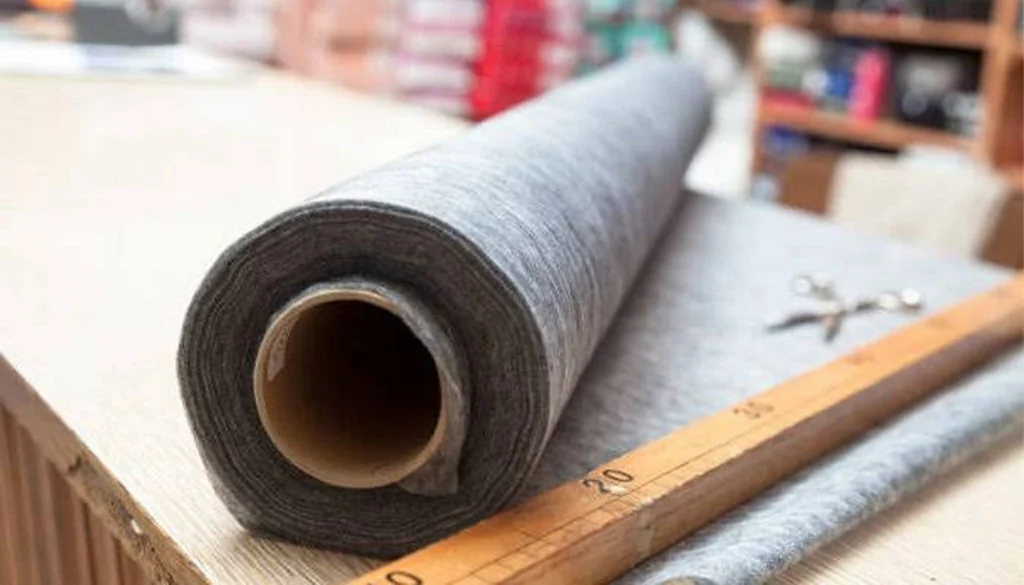
A simple comparison framework is useful:
| Purchase Factor | By the Yard | By the Roll |
|---|---|---|
| Typical project stage | Sampling, prototyping, development | Bulk production and repeat orders |
| Quantity control | Easier to request a limited length when available | Based on actual roll length and number of rolls |
| Main comparison basis | Price per yard plus width | Price per meter/yard, roll length and total quantity |
| Material continuity | Limited cut length | Longer continuous sections are normally available |
| Best buyer check | Confirm sample represents intended bulk construction | Confirm approved specification and actual roll quantity |
| Main mistake | Treating a small cut as full bulk approval | Assuming every roll contains the same universal length |
When yards and meters appear in different supplier quotations, buyers should convert both quotations to the same unit before comparing them. The conversion itself is straightforward, but internal purchase documents should clearly state which unit is being used. A small unit misunderstanding becomes significant when the order covers hundreds or thousands of linear units.
Why a Full Roll Is Not a Universal Quantity
“Full roll” sounds precise, but it is only precise after the supplier defines it. Roll length may depend on the material, manufacturing arrangement, packing method and actual production output. Buyers should therefore avoid writing a purchase order that states only a number of rolls without also defining the agreed length or quantity basis.
Another issue is that the delivered rolls may not always be the exact planning unit used internally by the buyer. For example, a production team may calculate material consumption in yards while the supplier manages production in meters. The purchase team should establish one conversion method and record both units when necessary so that material planning, quotation comparison and receiving inspection use the same numbers.
For a B2B order, the useful questions are simple: What is the quoted unit? What is the expected length per roll? What width applies to the material? Is the total quantity controlled by linear length, roll count or another agreed basis? Clear answers prevent the phrase “one roll” from becoming an unclear purchasing specification.
What Changes When You Move From Samples to Wholesale Orders
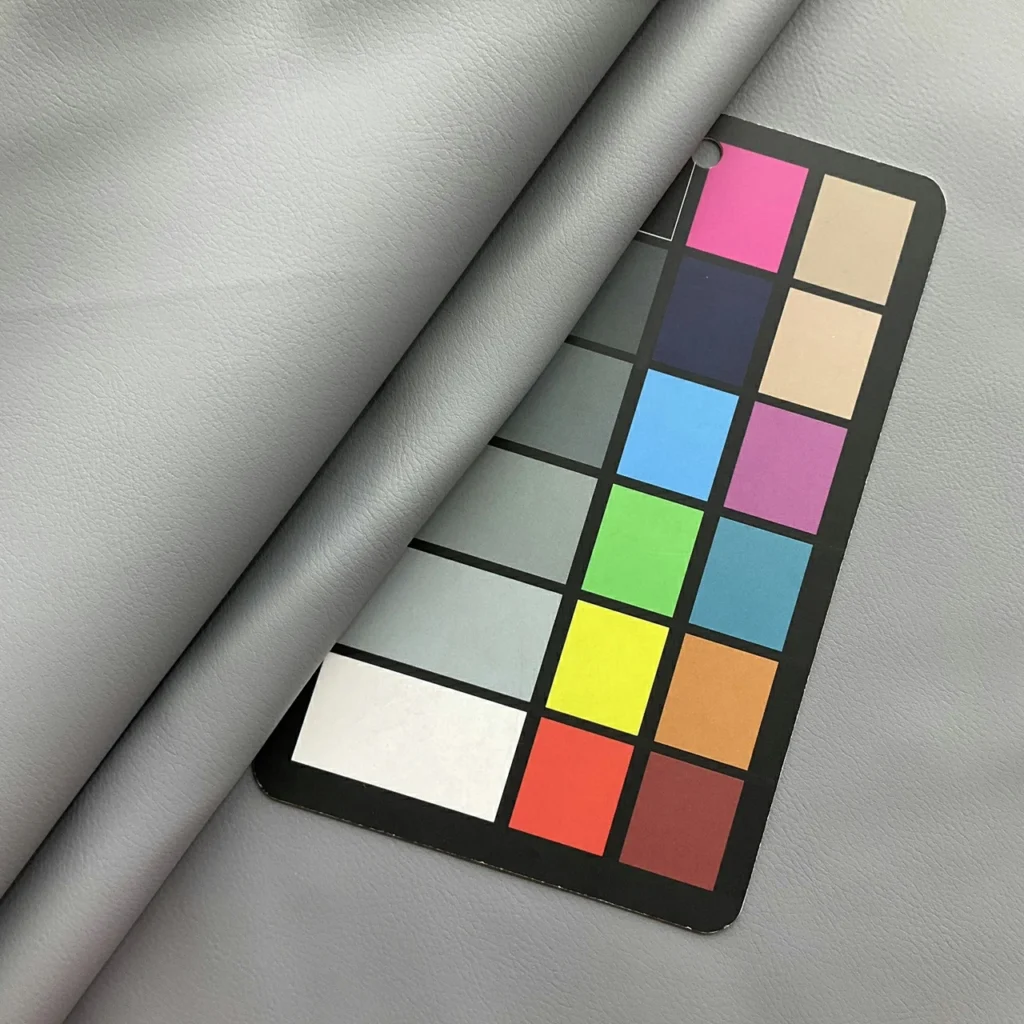
The move from a few yards to buying faux leather fabric in bulk is not only a quantity change. The buyer is also moving from evaluating a material direction to approving a production specification. Color, texture, thickness, backing fabric, hand feel and surface finish should therefore be recorded before bulk material is released.
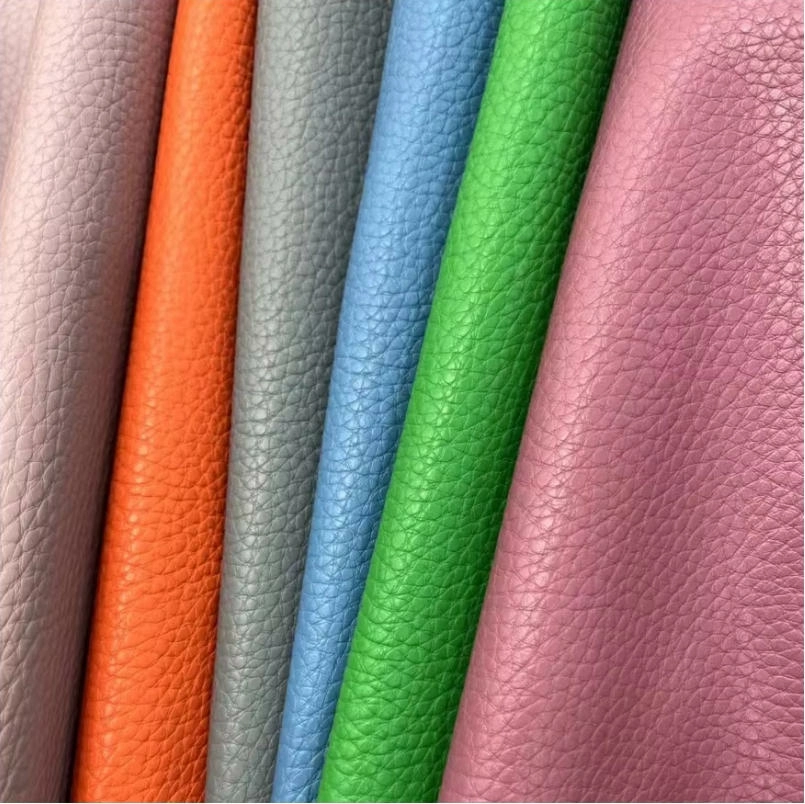
One common sourcing problem is approving a small swatch and later expecting any visually similar roll to perform the same way. Two black fine-grain PU leather materials can look close from the front while using different backing structures or feeling different during cutting and folding. The approved reference should identify the complete material direction, not only the color name.
Quantity planning also becomes more important at the wholesale stage. The buyer should estimate cutting consumption, sample needs, production allowance and any material required for quality checks or replacements. The appropriate allowance depends on the product and manufacturing process, so it should be calculated from the project rather than copied from a general percentage.
Common Mistakes When Buying Faux Leather Fabric in Bulk
Several purchasing mistakes appear repeatedly when buyers move from development quantities to bulk supply:
- Comparing price per yard without checking material width.
- Asking for a price per roll without confirming the roll length.
- Assuming a yard-based sample and the final bulk material are automatically identical.
- Ordering from a digital photo without approving a physical sample.
- Giving a total number of rolls but no target linear quantity.
- Mixing yards and meters across quotations, purchase orders and factory consumption sheets.
- Selecting the lowest unit price without comparing backing, thickness, finish and application suitability.
- Changing color, grain or backing after the quantity has already been calculated.
- Treating a supplier’s roll count as a substitute for material consumption planning.
These mistakes are often communication problems rather than material defects. A technically suitable PU leather can still create procurement problems if the buyer and supplier are working from different quantity assumptions. Clear specifications make it much easier to understand whether a price difference comes from the material itself, the quantity level or simply a different way of quoting the order.
What to Include in a Wholesale PU Leather Inquiry
A useful artificial leather fabric wholesale inquiry should combine the material specification with the purchasing requirement. This allows a supplier to understand both what material the buyer needs and how far the project has progressed. It also reduces the risk of receiving a quotation for a visually similar material that uses a different construction or quantity basis.
Buyers should normally provide:
- Finished product application.
- Reference photos or a physical material sample.
- Required or approximate thickness.
- Surface grain or embossing direction.
- Color and surface finish.
- Preferred backing when known.
- Required softness or structural feel.
- Target width if it is important to the cutting plan.
- Estimated total quantity.
- Preferred quotation unit: yard, meter or roll.
- Target market and project-specific test requirements when relevant.
- Whether the request is for sampling, trial production or bulk production.
If exact material consumption is not yet known, state that clearly. A supplier can then distinguish an early material inquiry from a firm production quantity. This is more useful than presenting an uncertain roll count as though it were already a finalized order.
How Danhon Supports Material Sampling and Bulk Sourcing
At Danhon, PU artificial leather can be discussed according to application, color, texture, thickness, backing fabric, hand feel and surface finish. Buyers can first compare suitable material directions and physical samples before confirming the specification used for a larger order. This is particularly useful when a project needs to move from sample cuts into production quantities without losing track of the approved material construction.
For bags, shoes, garments, gloves or packaging projects, the sourcing discussion should include the final application as well as the expected material quantity. A buyer who already knows the approximate yardage, meter quantity or number of rolls should share that information with the material requirements. If the quantity is still being calculated, the project stage should be stated so that sampling and bulk purchasing are not confused.
Key Takeaways
- “By the yard” and “by the roll” describe purchasing formats, not PU leather quality grades.
- Yard-based purchasing can be useful for samples, prototypes and limited development quantities when available.
- Full-roll purchasing is normally more practical for production, but the actual roll length must be confirmed.
- Compare width and total usable quantity, not only the linear unit price.
- Convert yards and meters to one common unit before comparing quotations.
- Do not approve bulk artificial leather based only on a small surface swatch.
- Record color, texture, thickness, backing, hand feel and finish together with the quantity.
- Ask suppliers to define the quotation unit and expected roll quantity clearly.
Frequently Asked Questions
How should buyers specify whether several sample cuts must be continuous?
State the minimum continuous length and whether joins or separate pieces are acceptable. A combined yardage total alone may not provide a piece large enough for the intended pattern.
How should a buyer handle roll lengths that differ from the planning length?
Use the agreed delivered-quantity and tolerance basis and reconcile the actual roll records. Separate a roll-count difference from a shortage in usable material before accepting or disputing the shipment.
What if the measured delivery includes material wrapped around the core?
Use the quantity definition agreed in the order and record how length was measured. Resolve core, leader and unusable-end allowances before concluding that the shipment is short.
How should multiple roll lots be allocated to one color-sensitive production run?
Record lot and roll identities on the cutting plan and review shade grouping before assembly. Keep pieces from visibly different groups separate unless mixed use has been approved.
Can a roll quotation assume that all lengths are free of splices?
Specify whether splices are allowed and how they must be marked and counted. Confirm minimum usable segment lengths for the cutting plan instead of relying on the nominal roll total.
What if sample yardage is available only from a different production lot?
Identify that limitation and decide what can be approved from the sample. Confirm relevant bulk-lot appearance and performance before assuming the development cut represents the ordered goods.
Planning a PU Leather Bulk Order?
If you are moving from material samples to a larger PU leather order, share your product application, selected texture, color, thickness, backing direction and estimated material quantity. Whether your internal calculation uses yards, meters or rolls, a clear specification makes sample matching and quotation comparison easier. Contact Danhon for PU Leather Samples and Custom Material Support to discuss suitable material options before finalizing the bulk purchasing basis.