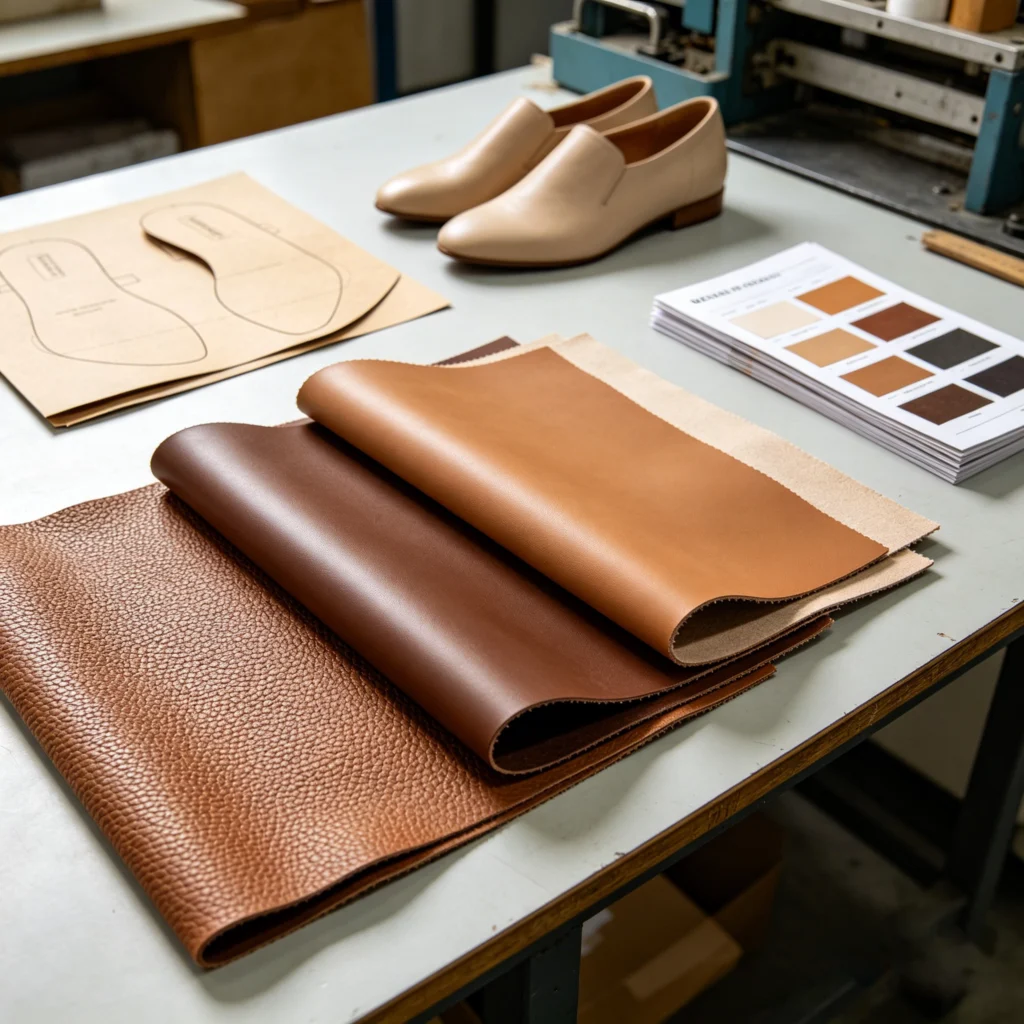
Quick Answer: What Should Buyers Check First?
Quick answer: When choosing PU leather for bags, buyers should check thickness, surface texture, backing fabric, hand feel, color consistency, flexibility and sample performance before production. A good-looking surface is not enough. The material must also match the structure, cutting, stitching and final use of the bag.
For bag manufacturers, PU leather for bags is not selected only by color or grain. The same surface may perform differently when the thickness, backing fabric or hand feel changes. This is why physical samples, color cards and clear product requirements are important before bulk material confirmation.
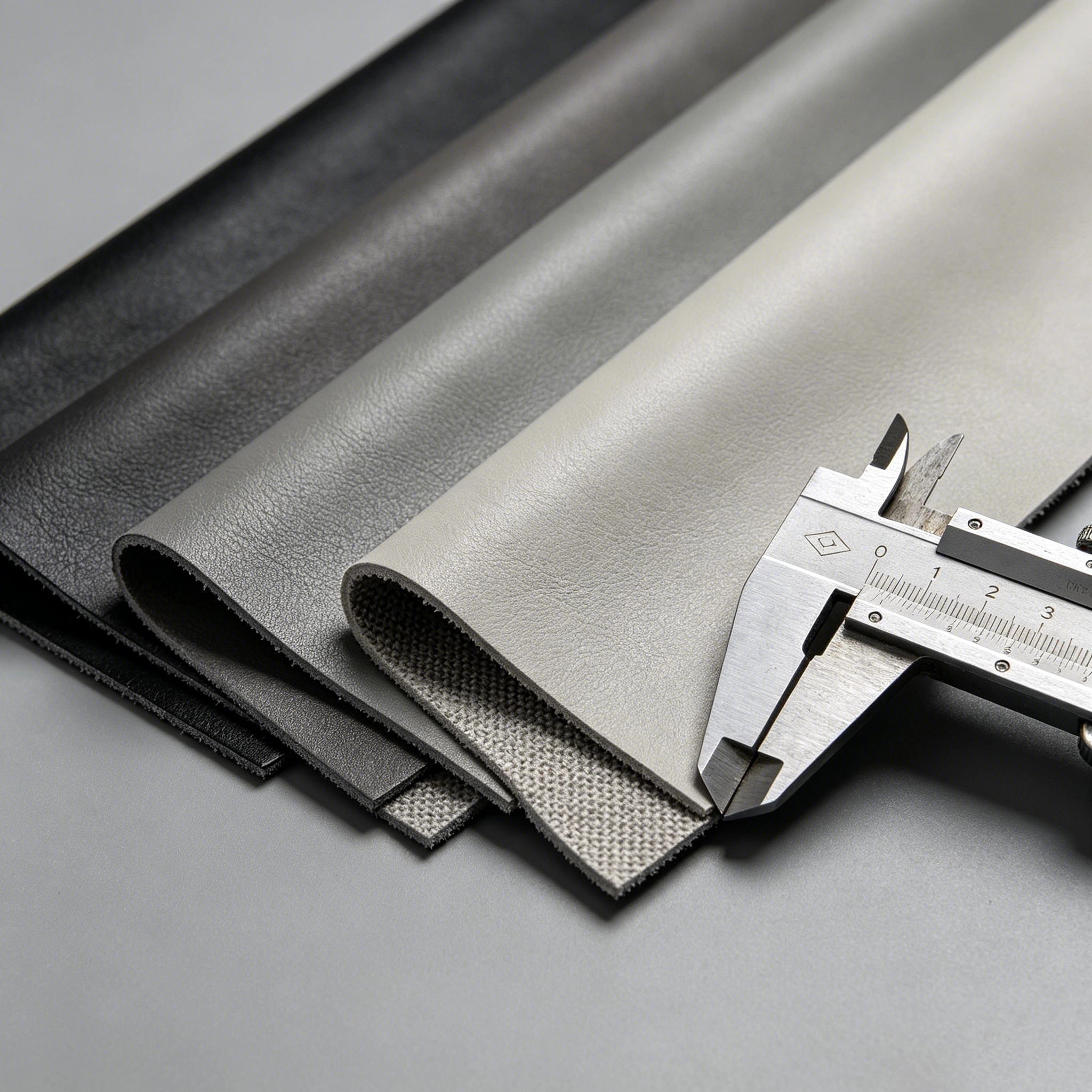
Check Thickness by Bag Type, Not by Appearance Alone
Many buyers ask for the “best PU leather thickness for bags,” but there is no single best thickness for every bag. The suitable thickness depends on the bag type, structure and production method.
For soft handbags, pouches or casual bags, buyers often prefer a softer and more flexible material. For structured handbags, backpacks or box-style bags, the material may need more body and support. If the PU leather is too thin, the bag may lose shape. If it is too thick, cutting and stitching may become less efficient.
| Bag Type | Material Direction | What Buyers Should Check |
|---|---|---|
| Soft handbags | Softer PU leather with flexible hand feel | Drape, touch feel, folding behavior and lining match |
| Structured handbags | Medium to thicker PU leather with better body | Shape support, edge folding, stitching and surface recovery |
| Backpacks | Stable PU leather with stronger backing | Surface durability, backing strength and seam performance |
| Small wallets or accessories | Controlled thickness and clean surface finish | Cutting edge, embossing effect and folding marks |
In many bag projects, thickness should be checked together with backing and hand feel. Looking at thickness alone can lead to the wrong material choice.
Match Texture and Surface Finish to the Final Bag Design
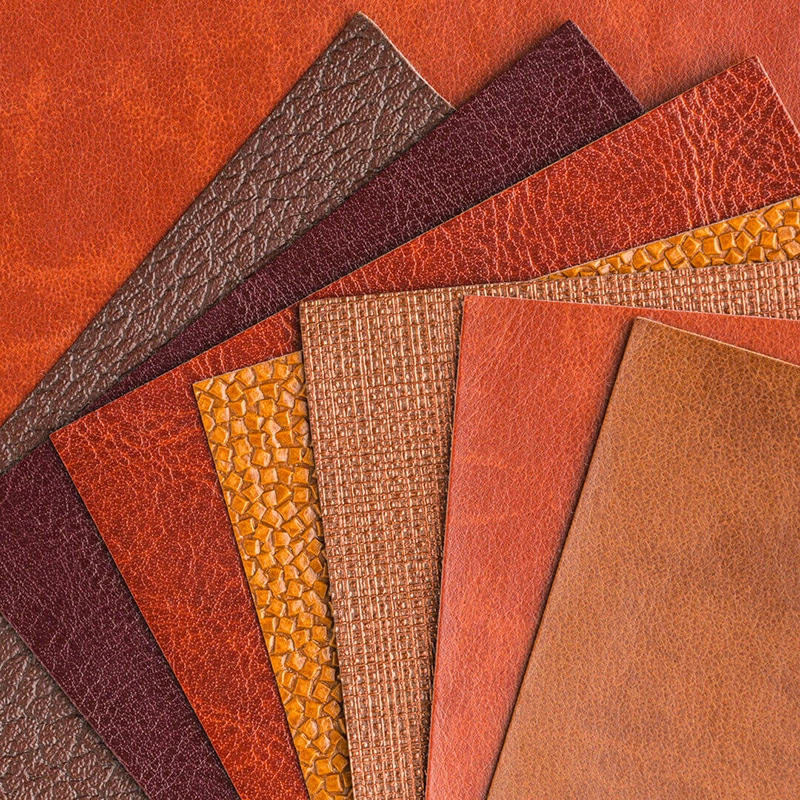
Texture has a strong influence on the appearance of artificial leather for bags. Smooth, pebbled, litchi grain, napa-like and embossed surfaces can all create different design effects.
However, deeper texture is not always better. A deep embossed surface may create stronger visual depth, but it may also affect cutting, cleaning or color expression. A smooth surface may look clean and modern, but scratches or pressure marks may become more visible depending on the finish.
Buyers should check texture under real lighting conditions. A material that looks suitable in a small photo may look different on a full bag panel. For synthetic leather for handbags, the texture should match the final product style, target price level and production method.
Backing Fabric Decides More Than Many Buyers Expect
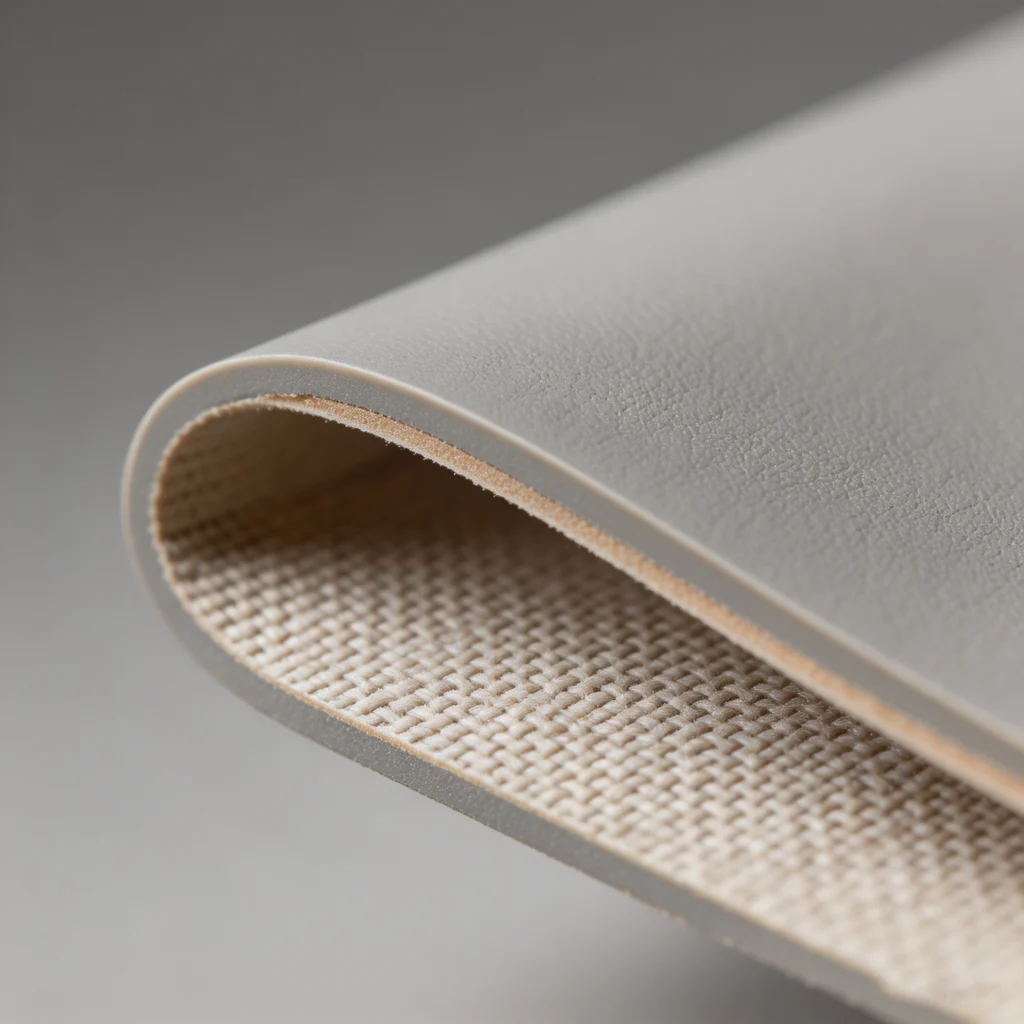
One common issue we see is that buyers focus on the surface and ignore the backing fabric. In real production, backing fabric can affect strength, flexibility, thickness stability and how the material behaves during cutting and stitching.
A stronger backing may improve stability, but it can also make the PU leather feel firmer. A softer backing may improve flexibility, but it may not support structured bag shapes well. For this reason, backing fabric should be discussed together with the intended bag type.
If a buyer only sends a finished bag photo and asks for the same material, the supplier may still need more information. Useful details include thickness range, surface close-up, backing preference, hand feel direction and target application.
Hand Feel, Flexibility and Structure Need to Work Together
Hand feel is important for bag material selection, especially for handbags and fashion accessories. But hand feel should not be judged separately from structure.
A soft PU leather bag material may feel pleasant, but it may not be suitable for a rigid tote or structured handbag. A firmer material may support the bag shape better, but it may feel too stiff for soft pouches or flexible designs.
Buyers should bend, fold and touch the physical sample before approval. It is also useful to test the sample with the actual lining, reinforcement and sewing method when possible. This helps reduce the risk of choosing a material that looks correct but does not work well in production.
Color Cards Are Useful, But Samples Confirm the Real Result
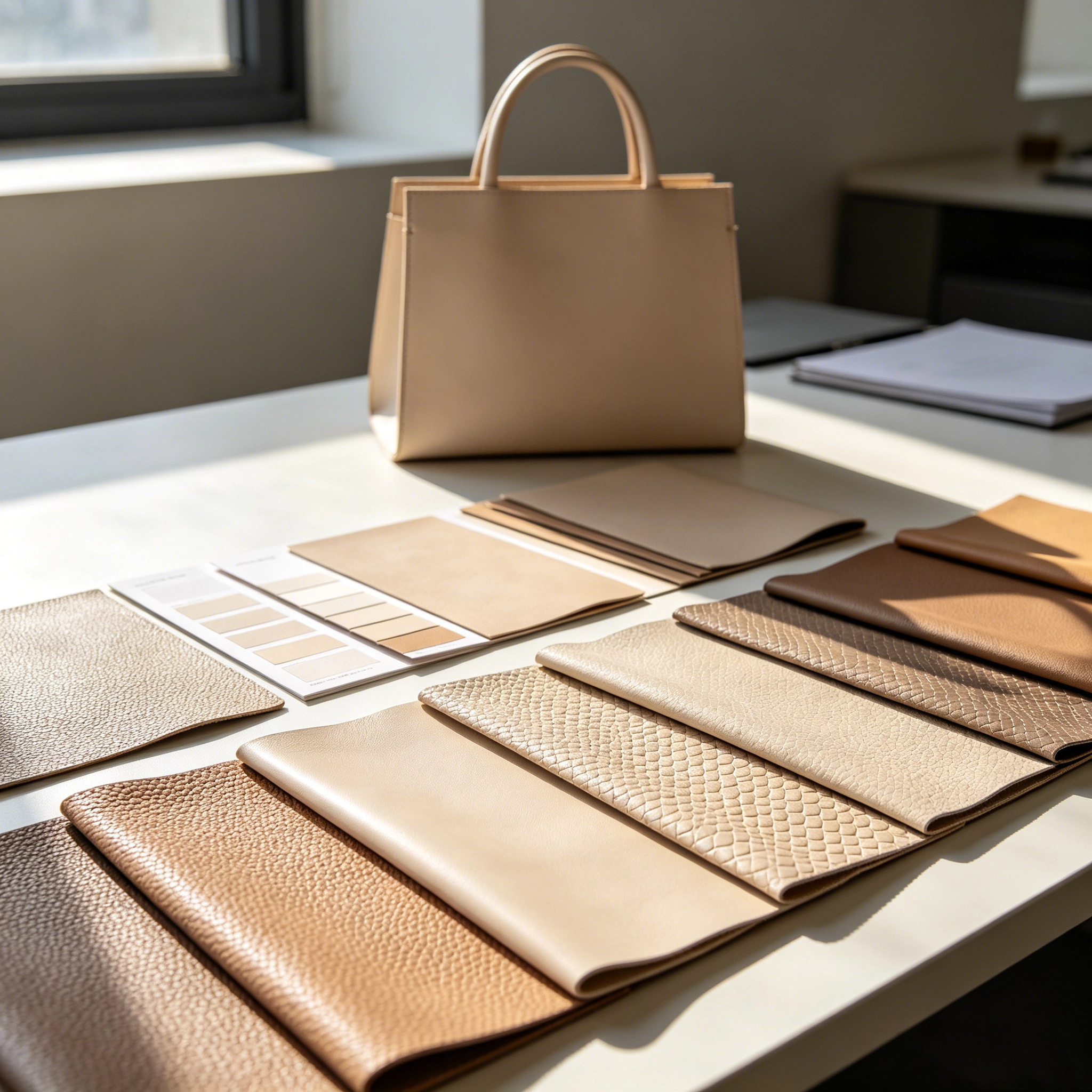
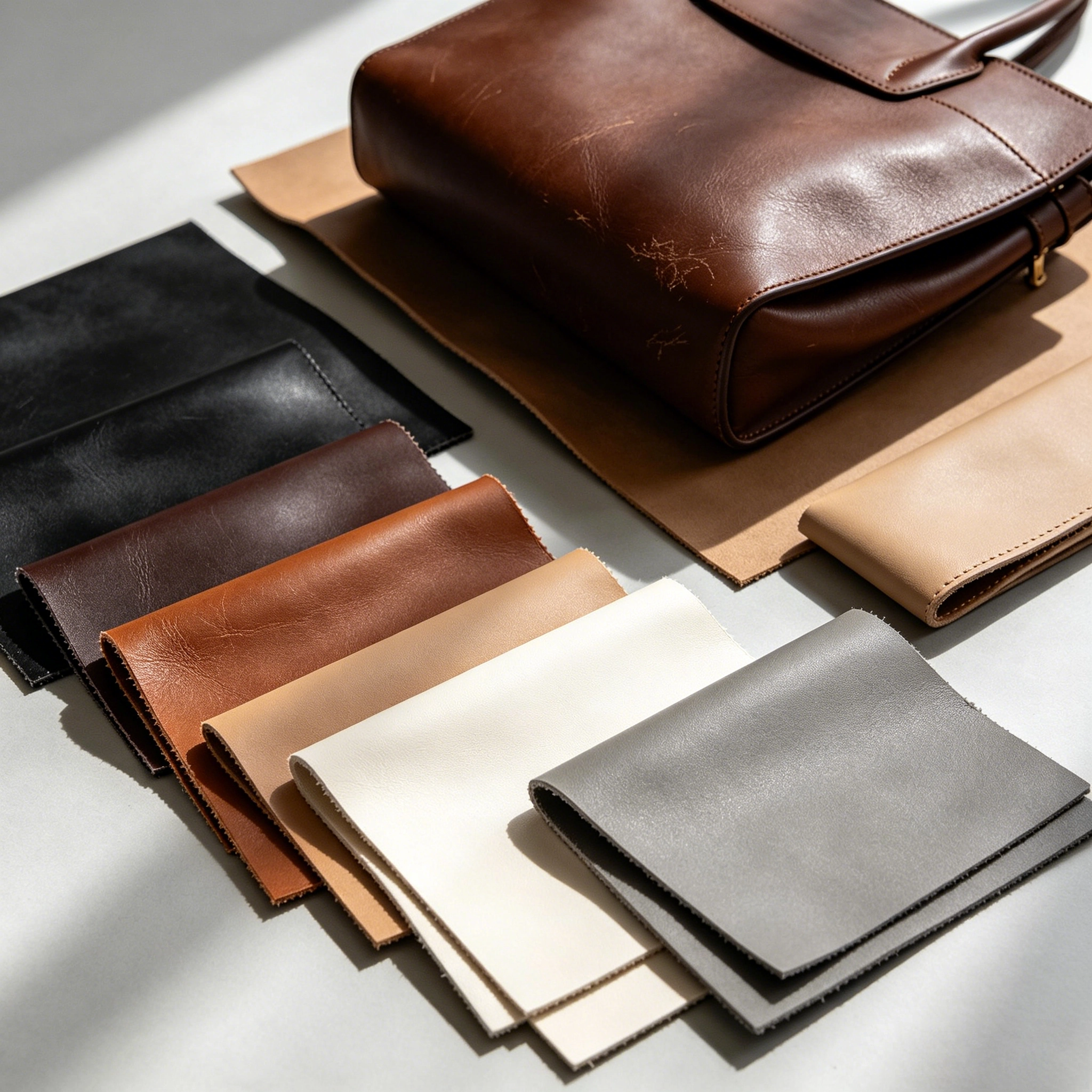
Color cards help buyers narrow the color direction quickly. They are useful when comparing standard colors, selecting seasonal tones or communicating with a PU leather supplier.
Still, color cards are not the same as final production samples. Color may appear different depending on surface texture, gloss level, backing, lighting and screen display. A color on smooth PU leather may not look identical on pebbled or embossed PU leather.
Before bulk production, buyers should confirm the physical sample. For custom PU leather for bags, a lab dip or sample development process may be needed when the color, texture or finish is not part of the standard range.
Common Mistakes When Buying PU Leather Bag Material
Several sourcing problems can be avoided if buyers check the material more carefully before production.
- Choosing by photo only: Photos cannot fully show thickness, hand feel, backing or flexibility.
- Checking color without texture: The same color may look different on different grain patterns.
- Ignoring backing fabric: Backing can affect sewing, shape support and production handling.
- Using one material for every bag type: Soft bags and structured bags often need different material directions.
- Skipping sample confirmation: Bulk orders should not rely only on digital images or color names.
Lower price is not always better if the material does not match the final bag. A small saving at the material stage may create higher waste, rework or approval problems later.
What to Prepare Before Asking a PU Leather Supplier
Clear information helps a PU leather supplier recommend suitable material faster. It also reduces repeated sample revisions.
Before requesting PU leather material for bag manufacturing, buyers can prepare the following details:
- Bag type, such as handbag, tote, backpack, wallet or pouch
- Target thickness or sample reference
- Preferred surface texture and finish
- Color reference, color card number or physical swatch
- Hand feel direction, such as soft, medium or firm
- Backing fabric preference if known
- Expected production method, such as cutting, stitching, folding or embossing
- Target market and any project-specific testing requirements
If the target market has chemical or performance requirements, buyers should discuss testing support based on the project. For example, buyers selling into Europe may need to understand the EU REACH Regulation, while coated material performance discussions may refer to coated fabrics standards as a general technical reference.
These references should not be treated as automatic proof of compliance. Final testing items should be confirmed according to the actual material, target market and product application.
Danhon Support for Bag Material Selection
For bag projects, Danhon can help buyers compare PU artificial leather options by color, texture, thickness, backing fabric and hand feel. Physical samples and color cards are useful tools before confirming bulk production.
If a buyer is developing custom PU leather for bags, the discussion should start from the finished product design. The more clearly the buyer explains the bag structure and material expectation, the easier it is to recommend a practical material direction.
FAQ
What should buyers check before buying PU leather for bags?
Buyers should check thickness, surface texture, backing fabric, hand feel, color consistency, flexibility and sample performance. The material should match the final bag structure and production method.
How do I choose PU leather for handbags?
Start with the handbag type. Soft handbags usually need flexible material, while structured handbags may need more body and support. Buyers should confirm physical samples before production.
What is the best PU leather thickness for bags?
There is no one best thickness for all bags. The suitable thickness depends on whether the bag is soft, structured, small, large, folded, stitched or reinforced.
Can PU leather for bags be customized?
Yes, many PU leather bag materials can be customized by color, texture, thickness, backing fabric and hand feel. The final feasibility depends on the project requirements and production practicality.
Is a color card enough to confirm PU leather bag material?
No. A color card is useful for narrowing the color direction, but buyers should confirm physical samples because color may change with texture, gloss and lighting.
Should buyers test PU leather before bag production?
Testing can be discussed according to the target market, product use and buyer requirements. Final performance should be confirmed through physical samples and project-specific testing when needed.
Final Recommendation
When selecting PU leather for bags, buyers should not rely only on surface appearance. Thickness, texture, backing fabric, hand feel, flexibility and sample confirmation all affect whether the material works in real bag production.
If you are comparing PU leather bag material for handbags, backpacks, wallets or custom bag projects, you can contact Danhon to review color cards, physical samples and custom material options before bulk production.