Quick Answer: How Should Buyers Choose PU Leather for Shoes?
PU leather for shoes should balance thickness, flexibility, backing strength and surface stability. For many footwear projects, buyers compare materials within an approximate 0.7mm–1.3mm range, but the correct specification depends on the shoe type, upper construction and expected use.
A thinner material may bend easily and feel soft, while a thicker material may provide more support. Neither is automatically better. Buyers should confirm the complete material structure through physical samples, flexing checks and finished-shoe evaluation before bulk production.
Thickness Is a Starting Point, Not the Final Specification
Buyers often ask what thickness PU leather is used for shoes. A practical answer is that shoe materials are selected within a range rather than one fixed number. A soft flat, casual sneaker, sandal strap and structured boot do not need the same balance.
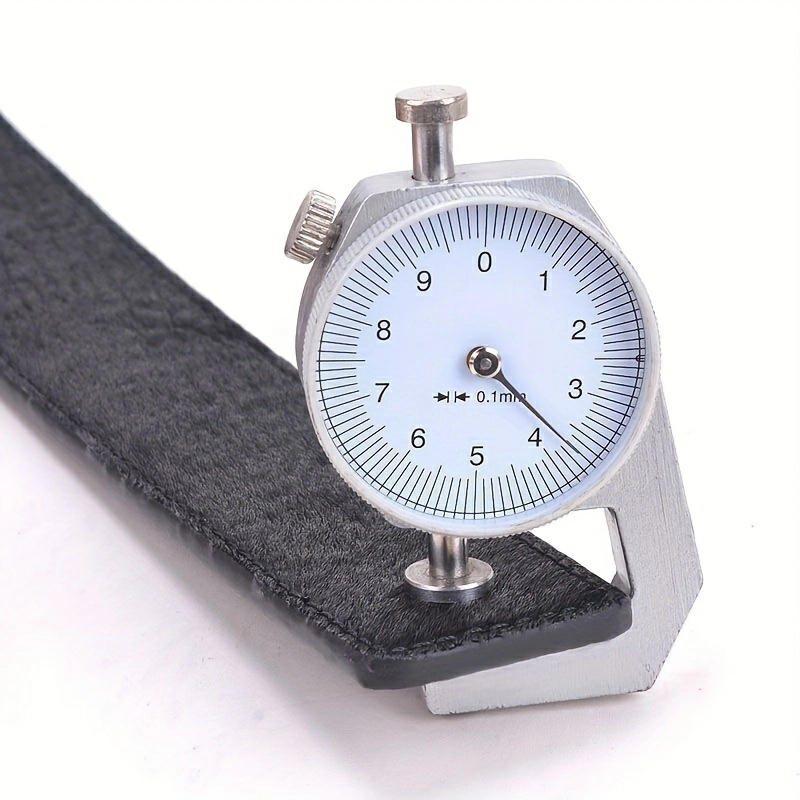
Thickness affects folding, shape retention, cutting and stitching. However, two samples with the same measured thickness can behave differently because the PU layer, backing fabric and surface finish are not identical.
Buyers should compare shoe upper PU leather by construction rather than thickness alone. A soft backing can make a medium-thickness material feel flexible, while a dense backing may make a similar material feel firmer.
When comparing samples, buyers should record both the total thickness and the material structure. Looking only at a thickness number may lead to a material that meets the written specification but performs differently during shoe production.
Flexibility Must Be Checked at the Real Bending Area
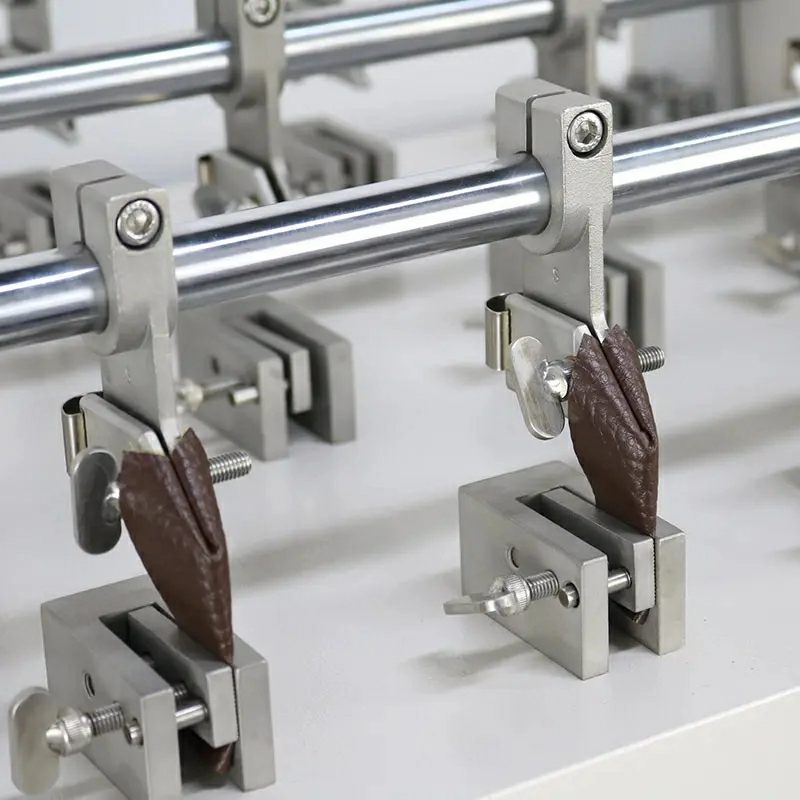
Flexibility is not simply how easily a swatch bends by hand. Shoe uppers repeatedly crease around the vamp, toe and side panels. A material that looks acceptable on a flat table may show whitening, cracking, delamination or slow recovery after movement.
During sample review, fold the material in the direction it will bend on the shoe. Check whether the grain opens, the coating changes color or the backing becomes visible. Then observe whether the surface recovers smoothly or keeps a sharp crease.
For footwear programs with defined performance requirements, flex resistance can be evaluated using the ISO 17694 footwear upper flex resistance method or another test method specified by the buyer.
Passing one flex test does not automatically mean that the material is suitable for every type of footwear. The number of flexing cycles, test conditions and acceptance criteria should match the final application and buyer requirements.
Choose the Surface According to the Shoe Design
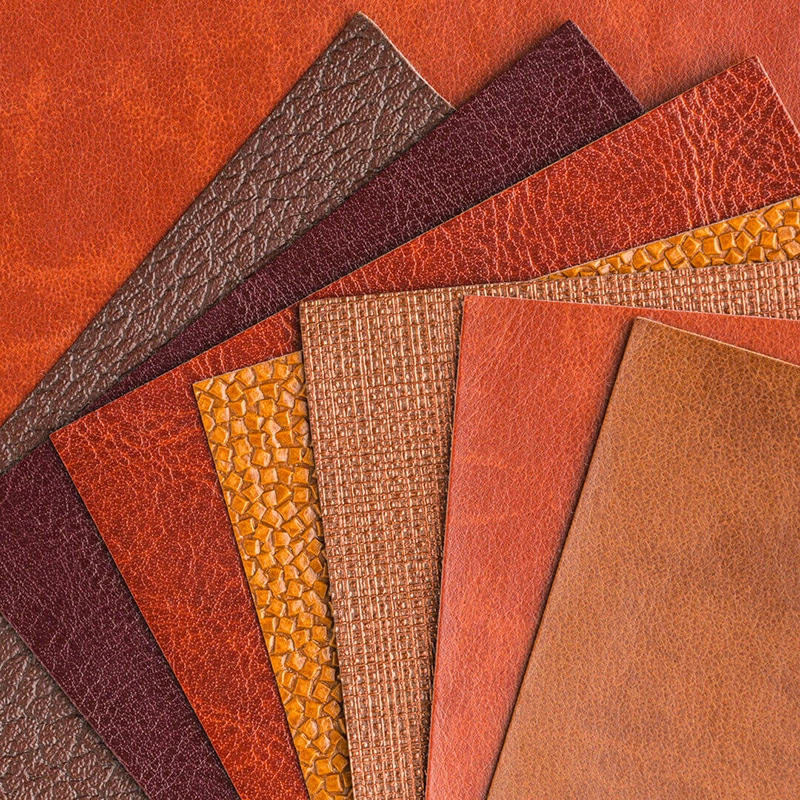
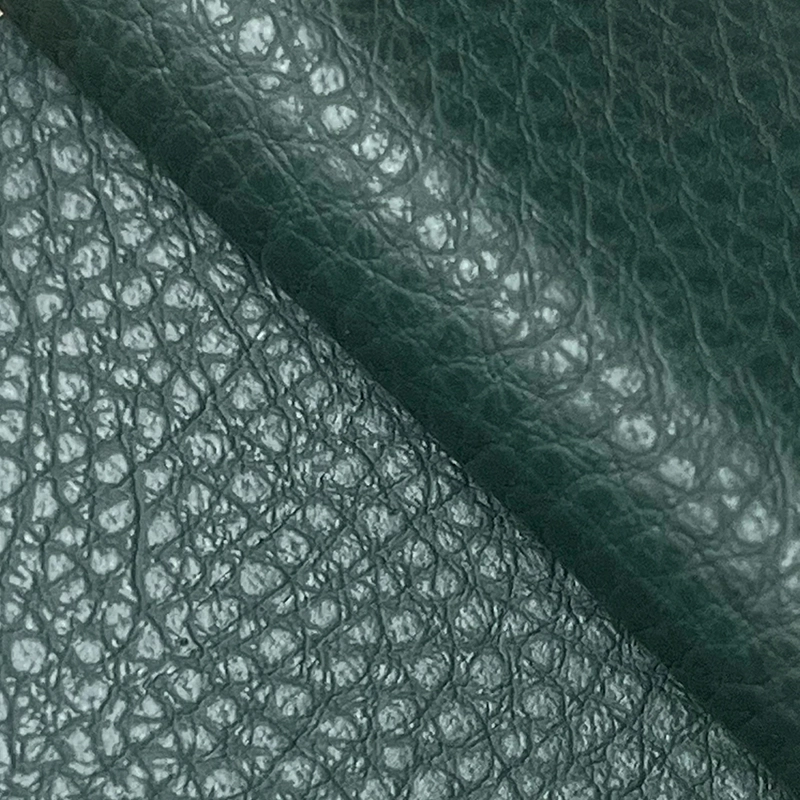
Surface selection influences appearance, scratch visibility and how the material looks after lasting. The best synthetic leather for footwear is not always the most decorative sample. It is the material whose surface works with the design and production method.
| Surface Direction | Suitable Design Direction | Practical Advantage | Point to Check |
|---|---|---|---|
| Smooth or fine grain | Dress styles and clean sneaker panels | Provides clear and consistent color expression | Scratches and lasting marks may be more visible |
| Pebbled or litchi grain | Casual shoes, boots and larger upper panels | Creates more visual depth and may reduce the visibility of minor marks | Deep grain may stretch or change around folds |
| Napa-style soft texture | Soft and comfort-focused uppers | Provides a softer appearance and hand feel | May require a stronger backing or reinforcement for structured areas |
| Embossed pattern | Fashion footwear and decorative panels | Creates a distinctive surface identity | Pattern stability should be checked after lasting and flexing |
| Matte or low-gloss finish | Modern casual footwear | Reduces strong surface reflection | Rub marks and localized color changes should be reviewed |
| Glossy or patent-style finish | Fashion shoes and statement panels | Creates a bright and reflective appearance | Creases, scratches and surface marks may become more noticeable |
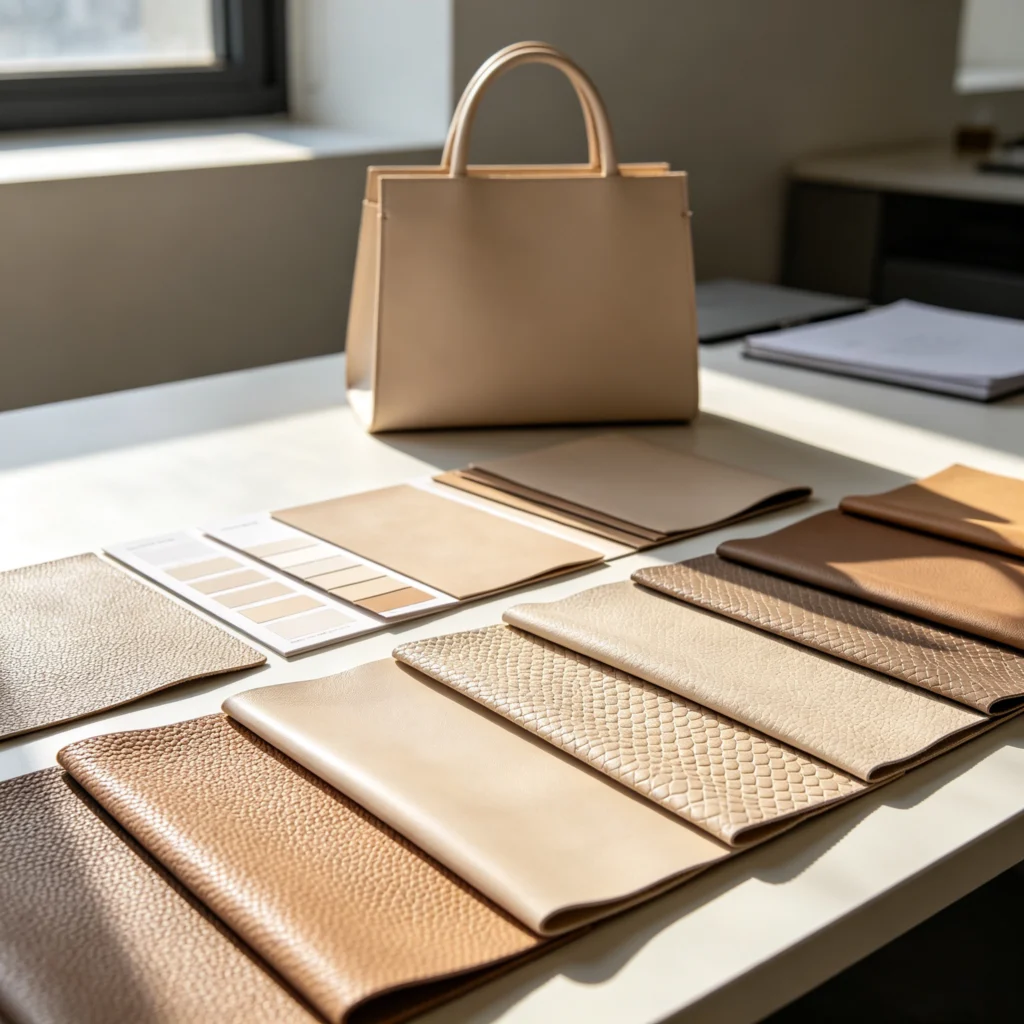
Texture should always be reviewed together with color. The same color can appear lighter, darker or more saturated on smooth, matte, glossy and deeply embossed surfaces.
For this reason, selecting a color first and adding a different texture later can create unexpected visual changes. Buyers should approve the final color on the intended surface construction.
Backing Fabric Controls Production Stability
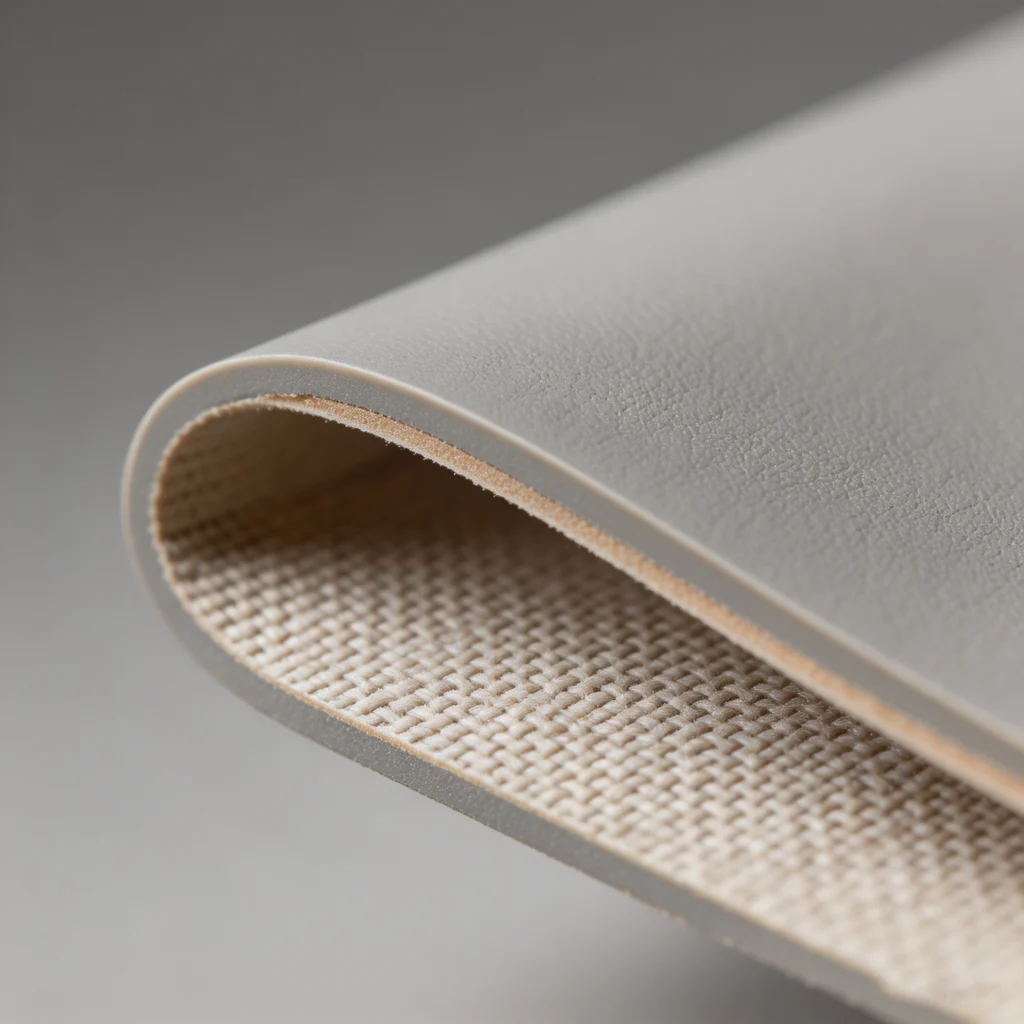
The backing supports the PU layer and influences stretch, tear behavior, stitch holding and dimensional stability. Buyers sometimes focus only on the visible grain, but the backing often decides whether the material works in production.
A softer backing may improve drape and comfort, but it can stretch during cutting, sewing or lasting. A firmer backing may improve stability, although it can reduce softness. The right choice depends on panel size, seam position and shaping requirements.
When comparing synthetic leather for shoes, examine both sides of the sample. Check whether the edges remain clean and whether needle holes enlarge under tension, especially on straps and highly curved upper components.
Buyers should also confirm the direction of stretch. A material may behave differently in the lengthwise and crosswise directions. This can affect cutting layout, upper shaping and the consistency of finished shoes.
Match the Material Direction to the Footwear Type
Different footwear constructions require different balances of softness, support and surface stability. The following table provides practical selection directions rather than fixed production standards.
| Footwear Type | Suggested Material Direction | Main Approval Risk |
|---|---|---|
| Soft flats | Thinner, softer and highly flexible material direction | Insufficient support, excessive stretching or visible backing marks |
| Casual sneakers | Balanced thickness with controlled stretch and crease recovery | Vamp creasing, lasting marks and color variation |
| Sandals and straps | Controlled flexibility based on strap width, edge finishing and reinforcement | Edge cracking, seam failure and stitch-hole enlargement |
| Structured boots | Firmer and more supportive material direction | Surface failure at the vamp, ankle bend or lasting area |
| Fashion footwear | Material selected around panel placement, grain and surface finish | Appearance changing after lasting, sewing or repeated flexing |
| Children’s footwear | Soft material direction with application-specific chemical and physical requirements | Using general material claims without confirming the target-market specification |
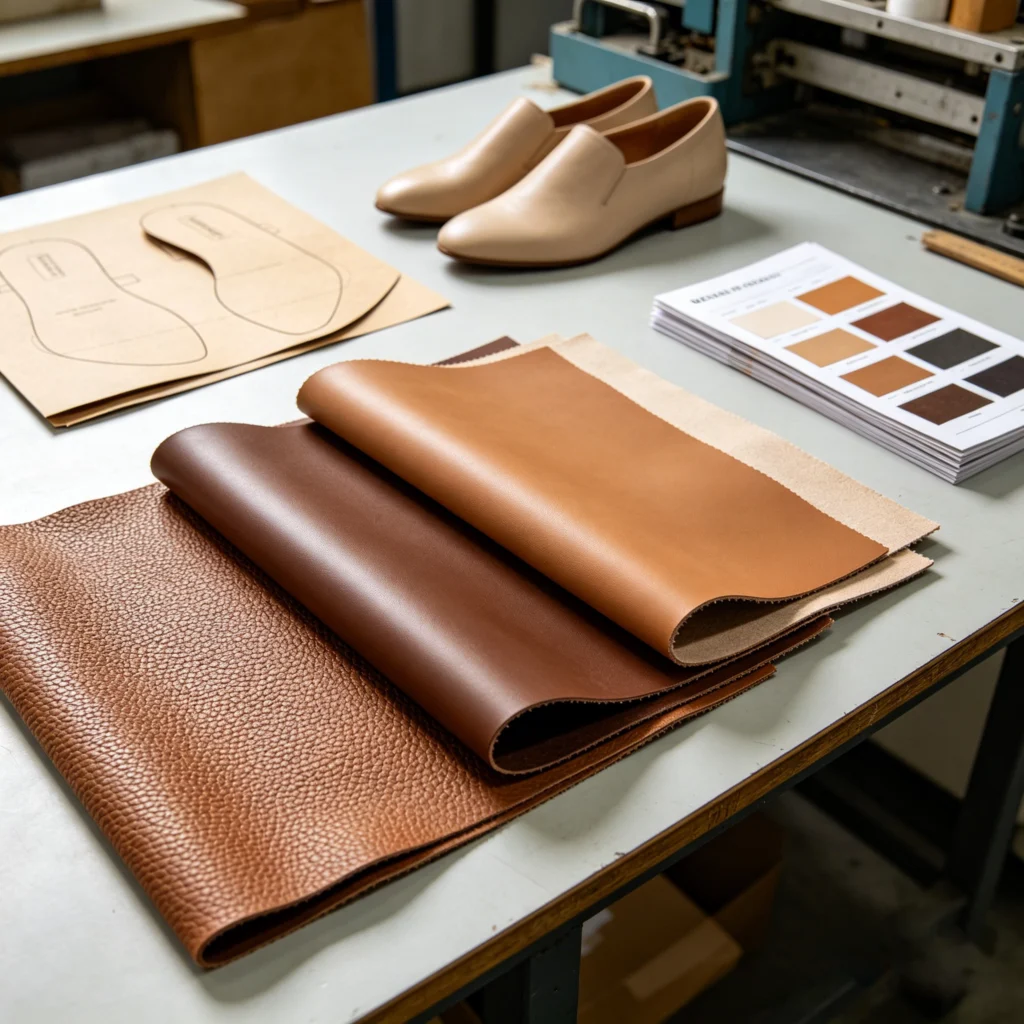
Lining, foam, reinforcement, adhesives and lasting methods can all change the final material requirement. Physical samples should therefore be reviewed in the actual shoe construction rather than judged only as loose swatches.
Buyers who need to compare available colors, grains and thicknesses can review Danhon’s current PU leather material collection before requesting targeted samples.
Cutting, Stitching and Lasting Should Be Part of Sample Approval
A good-looking material does not always process smoothly. Cutting may expose a loose backing, while stitching may cause enlarged needle holes, surface puckering or uneven seams.
Lasting creates another level of stress. The material is stretched over curved areas and held under tension. Deep embossing may flatten, glossy surfaces may show pressure marks and soft materials may stretch more than expected.
Before approving bulk material, buyers should conduct a small processing trial using the intended cutting, stitching, bonding and lasting methods. This is more reliable than evaluating the material only by hand feel.
For bonded constructions, adhesive compatibility should also be confirmed. The surface, backing, adhesive type, preparation method and production temperature may all affect the final result.
Common Selection Mistakes That Delay Development
- Choosing from a photo only: Images cannot confirm thickness, backing, hand feel, stretch direction or bend recovery.
- Approving color before confirming texture: The same color can look different on smooth, matte, glossy and deep-grain surfaces.
- Checking softness but not support: A very soft material may stretch excessively in structured upper panels.
- Ignoring cutting and stitching: An attractive surface may still produce rough edges, enlarged needle holes or unstable seams.
- Testing only a flat swatch: The surface should also be reviewed after folding, lasting, bonding and assembly.
- Using one test result for every project: Test requirements should match the shoe type, target market and buyer specification.
- Changing several specifications at once: Simultaneous changes to color, grain, thickness and backing can make sample evaluation difficult.
An unclear request such as “use the same material as this shoe” with only a finished-product photo is rarely enough. The supplier may still need texture close-ups, an approximate thickness, the desired hand feel, backing direction and a physical color reference.
Clear specifications reduce unnecessary sampling rounds. They also make it easier to identify whether a difference comes from the surface coating, backing fabric, thickness or finished-shoe construction.
Use a Sample Approval Checklist Before Bulk Production
A color card helps buyers narrow the direction, but it should not replace a physical material sample. Lighting, screen settings, gloss level and grain depth can change how a color appears.
- Measure and record the sample thickness.
- Compare softness, support and stretch direction.
- Fold the sample at the expected bending line.
- Check the grain, coating and color after repeated movement.
- Review the backing, edge quality and stitch-hole behavior.
- Conduct cutting, sewing, lasting and bonding trials.
- Compare the approved sample under more than one lighting condition.
- Record the approved color, texture, thickness, backing and hand feel.
- Confirm project-specific testing and target-market requirements separately.
For EU-bound footwear, chemical requirements should be reviewed against the target market, the buyer’s restricted-substance specification and the applicable EU REACH requirements.
Testing support can be discussed according to project needs, but compliance should not be assumed from appearance or from one report prepared for a different material. Buyers can also review Danhon’s published PU leather testing documents and confirm which report, material and test method relate to their own project.
How Danhon Supports PU Leather Shoe Material Selection
Danhon can help B2B buyers compare dry-process PU artificial leather by thickness, color, texture, backing fabric, hand feel, embossing and surface finish. Material selection should begin with the footwear type and production method rather than with a surface photo alone.
Custom projects may require adjustments to color, texture, thickness, backing fabric and hand feel. Physical swatches and color cards can narrow the direction before sample development and bulk confirmation.
When requesting custom PU leather for shoes, buyers should provide as much of the following information as possible:
- Footwear type and target market
- Upper panel or component where the material will be used
- Reference shoe or material images
- Approximate thickness range
- Desired softness, firmness and stretch direction
- Surface grain and gloss direction
- Color card, Pantone reference or physical color sample
- Backing fabric preference
- Processing methods such as stitching, lasting or bonding
- Required physical or chemical tests
This information helps the supplier recommend a closer material direction and reduces the risk of developing a visually similar sample that does not suit the actual shoe construction.
Request Samples Before Finalizing the Material
If you are sourcing PU leather shoe material, prepare the shoe type, target appearance, approximate thickness direction, color reference and key performance concerns.
You can contact Danhon to request PU leather samples and color cards. Physical samples allow your team to compare thickness, flexibility, backing, texture and processing behavior before bulk production.
Conclusion
The right PU leather for shoes is selected through balance rather than one isolated specification. Thickness affects structure, flexibility affects repeated movement, backing influences production stability and the surface controls appearance.
Start with the footwear construction, compare physical samples and test the material under real processing conditions. This reduces revisions and helps buyers choose artificial leather for footwear with greater confidence.
Frequently Asked Questions
What thickness PU leather is used for shoes?
Many footwear buyers compare PU leather within an approximate 0.7mm–1.3mm range. The final thickness depends on the shoe type, backing, lining, reinforcement and the required balance between softness and support.
The thickness number should not be used alone. Buyers should also check the backing structure, flexibility, stretch and performance after lasting.
How do I choose PU leather for shoe uppers?
Start with the footwear type and upper construction. Compare thickness, flex recovery, backing strength, stretch direction, surface stability and the result after cutting, stitching and lasting.
A physical shoe trial is more reliable than judging the material only from a loose swatch or digital photo.
Is thicker PU leather always better for boots?
No. A thicker material may add support, but it may also reduce flexibility and create stronger creases. Boot materials should be checked at the vamp and ankle bending areas.
The final result also depends on the lining, reinforcement, foam and boot construction.
Which surface is best for synthetic leather shoes?
There is no universal best surface. Smooth finishes suit clean designs, pebbled grains can make minor marks less visible and napa-style textures suit softer uppers.
The surface should be selected according to the shoe design, panel placement, lasting method and expected bending areas.
Should buyers approve PU leather color from a digital image?
No. Digital images are useful for initial communication, but physical color cards and swatches are more reliable. Lighting, screen settings, grain depth and gloss level can all change color appearance.
The final color should be approved on the same texture and surface finish intended for bulk production.
Can PU leather for shoes be customized by color and texture?
Color, texture, thickness, backing fabric, hand feel, embossing and surface finish can be discussed for suitable projects. The practical development direction should be confirmed through samples.
Buyers should avoid changing too many variables at the same time because this can make sample comparison and approval more difficult.
How important is the backing fabric of shoe upper PU leather?
The backing fabric affects stretch, dimensional stability, stitch holding, edge quality and the way the material behaves during lasting.
A softer backing may improve flexibility, while a firmer backing may provide more support. The correct choice depends on the upper construction and production process.
What tests may be relevant for shoe upper PU leather?
Depending on the project, buyers may consider flex resistance, abrasion, tear strength, seam strength, delamination, color fastness and chemical restrictions.
The required test method and acceptance criteria should be confirmed according to the footwear type, target market and buyer specification.
Can a color card replace a physical PU leather sample?
No. A color card helps buyers select an initial color and texture direction, but it cannot fully show flexibility, backing strength, stretch, edge quality or processing behavior.
A production-representative physical sample should be approved before the bulk material is finalized.
What should I send when requesting a PU leather sample?
Provide the shoe type, target market, reference images, texture close-ups, color target, approximate thickness, preferred hand feel, backing direction and required tests.
Information about stitching, lasting, bonding and the intended upper panel can also help the supplier recommend a more suitable material.
How can buyers reduce color differences between samples and bulk production?
Approve a physical sample under controlled lighting and record the final color, texture, finish and backing. The bulk material should then be compared with the approved reference rather than with a screen image.
Buyers should also define an acceptable color-difference standard when the project requires tighter color control.
Does passing one footwear test mean the PU leather suits every shoe?
No. One test result only confirms performance under that particular test method and condition. It does not prove that the material will suit every shoe construction, market or production process.
Material approval should combine relevant testing with actual cutting, stitching, lasting and finished-shoe evaluation.