Is PU a Good Material for a Vegan Leather Bag?
Quick answer: PU can be a practical material for many vegan leather bag projects. It gives brands control over color, grain, surface finish, thickness, backing and hand feel. However, “vegan leather” is not a complete material specification.
A brand should first define the bag it wants to produce. Then it can decide which PU construction fits that design. The material still needs to work with the bag structure, lining, reinforcement, stitching, folding and finishing process.
PU leather is an artificial leather material based on polyurethane and is commonly combined with a textile supporting layer. Different PU materials can therefore look similar while having very different constructions and production behavior.
For brands, this distinction matters more than the label alone.
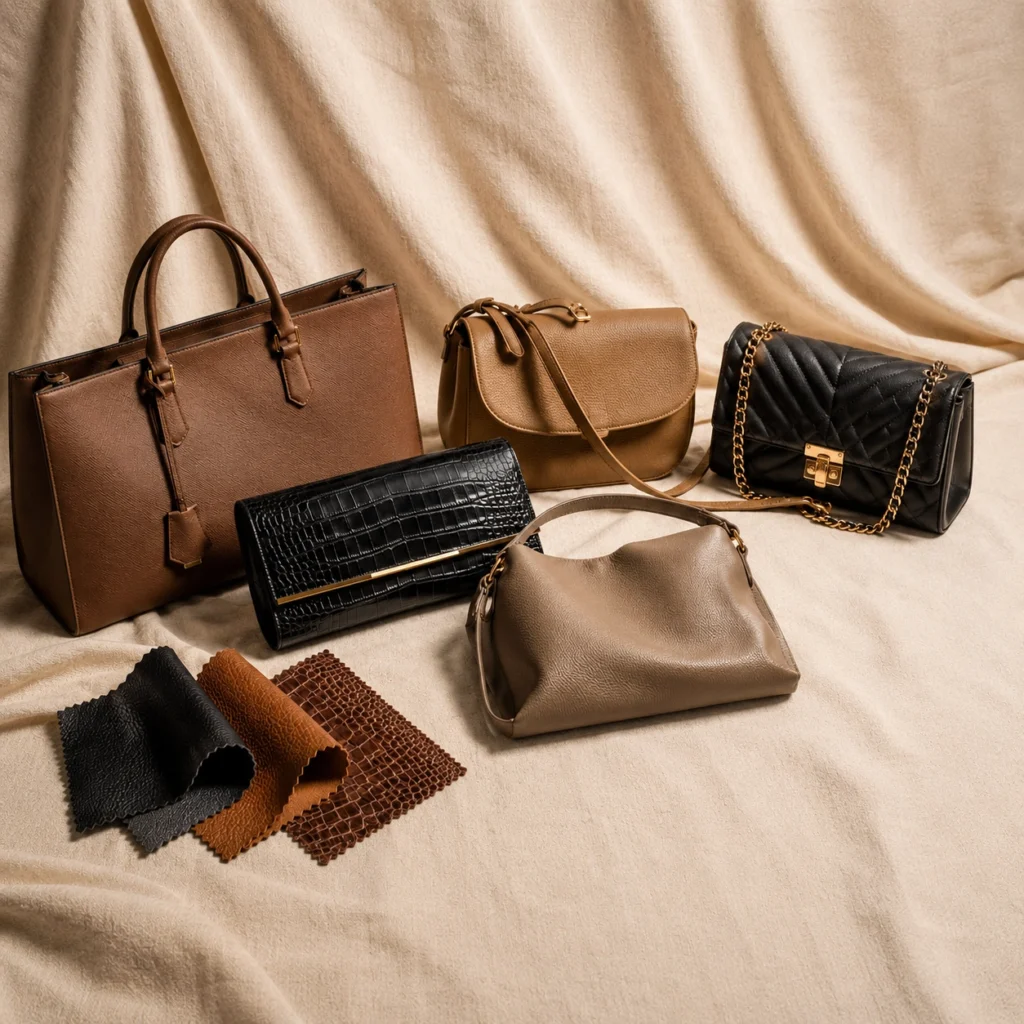
“Vegan Leather” Is a Brand Direction, Not a Complete Material Specification
The term vegan leather is often used for materials that avoid animal hide. PU is one common material direction within this category. However, faux leather, synthetic leather and vegan leather are broader commercial terms and do not describe every technical detail of the material.
That creates a common sourcing problem.
A buyer may ask a supplier for “black vegan leather for handbags.” The description sounds clear, but it leaves many questions unanswered.
Does the bag need to stand upright?
Should the side panels feel soft?
Will the surface be smooth or pebbled?
Does the brand want a dry matte effect or a subtle sheen?
Will the logo be embossed?
How will the edges be folded or finished?
These questions decide whether the material actually works.
For this reason, a vegan bag material should be specified in the same way as any other production material. The vegan positioning explains the brand direction. The physical specification explains what the factory needs.
Choose the PU Construction Around the Bag You Want to Make
One PU material should not be expected to work for every vegan leather bag.
The starting point should be the bag architecture.
| Bag Type | Main Design Priority | PU Material Direction | What to Check in the Sample |
|---|---|---|---|
| Soft shoulder bag | Flexible movement | Softer hand feel with controlled backing | Drape, folds, seam appearance and lining combination |
| Structured handbag | Shape and clean panels | More supportive construction | Panel shape, corners, stitching and reinforcement |
| Tote bag | Balance of flexibility and body | Medium support depending on design | Handle area, folding, large-panel appearance |
| Backpack | Stability around seams and load areas | Stable backing and suitable body | Seam area, straps, panel distortion and repeated handling |
| Wallet or small pouch | Clean folding and small details | Controlled thickness and fine surface | Edge folds, logo work, small-radius bends and cutting |
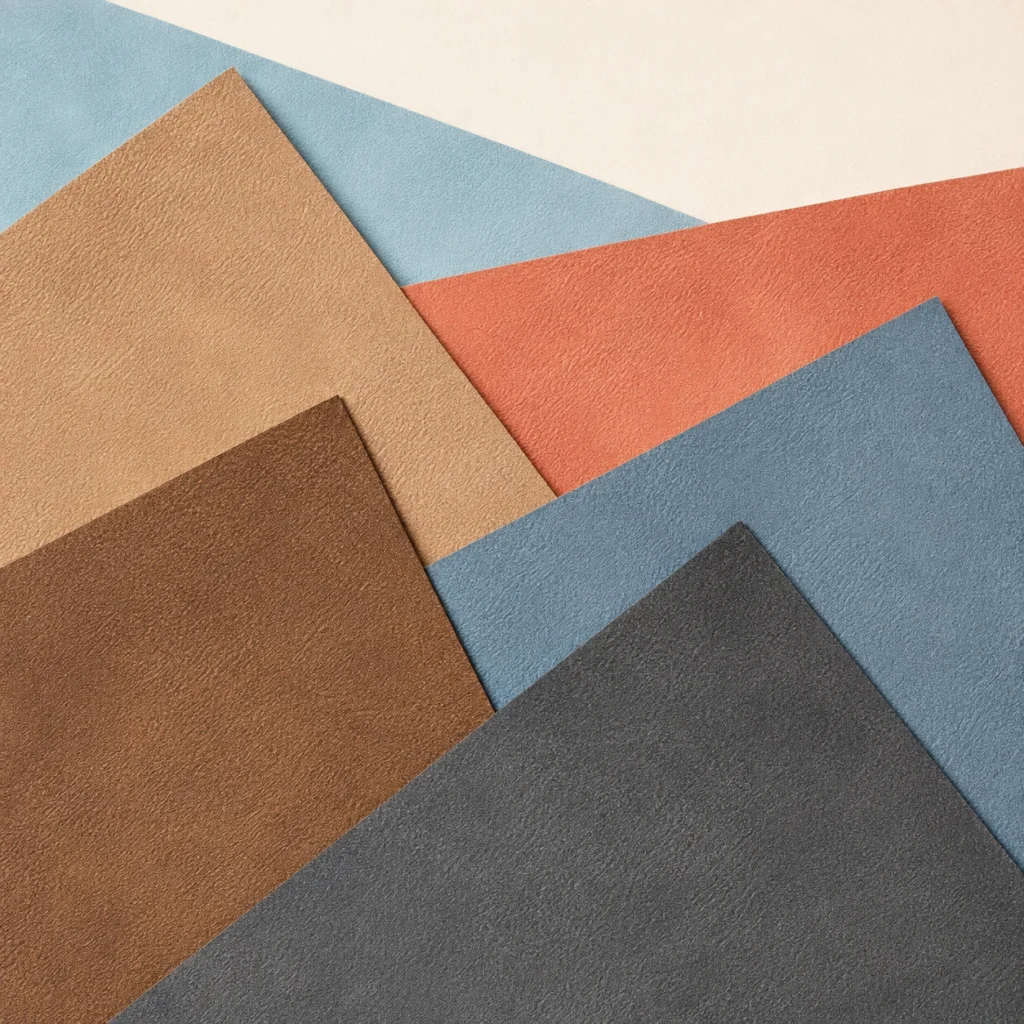
The table gives material directions, not fixed rules.
A structured handbag may use internal reinforcement, so the face material does not always need to be extremely stiff. A soft tote may still need enough support around handles or openings.
This is why brands should review PU leather together with the actual bag construction.
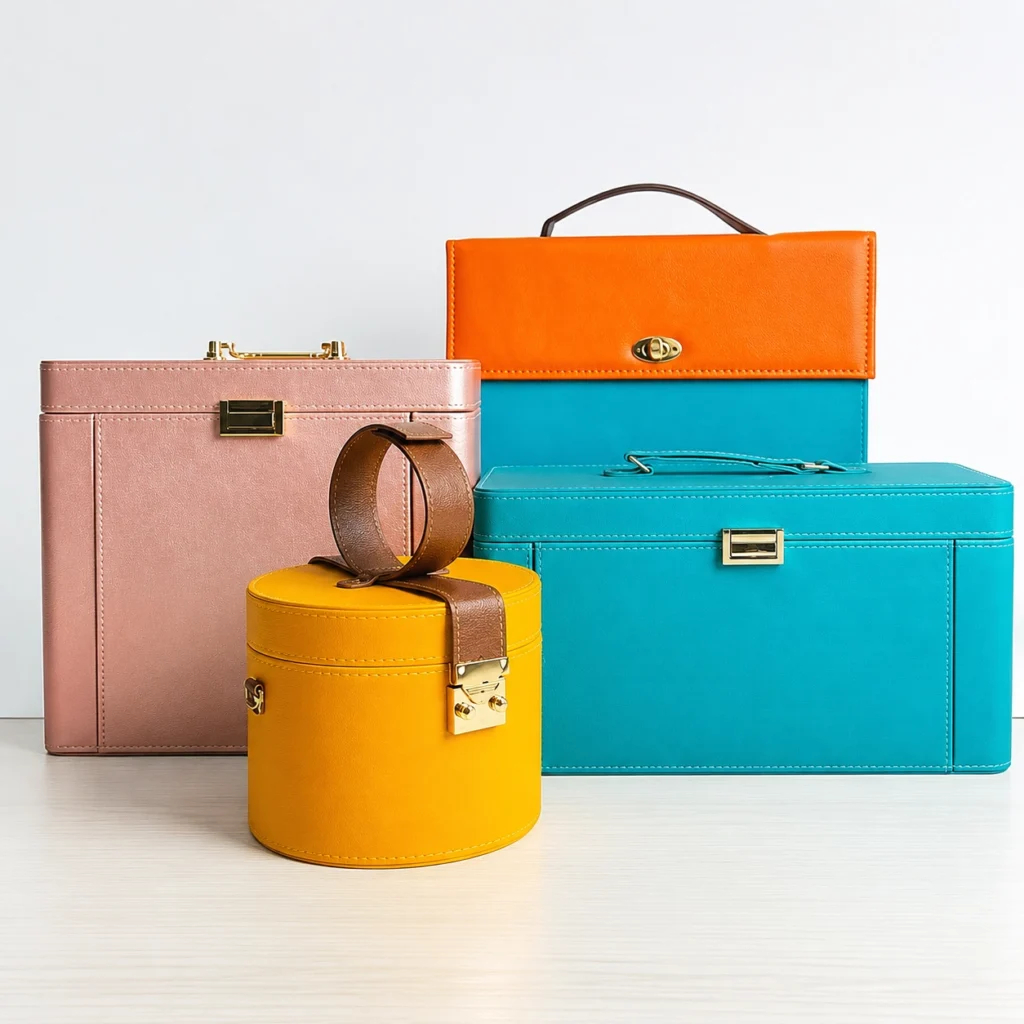
Danhon’s current PU Leather for Bags category includes materials for handbags, backpacks, wallets, small leather goods and accessories, with different texture, thickness and backing directions available for selection.
The Surface Must Support the Brand Identity at Full Bag Scale
For fashion and lifestyle brands, surface appearance is part of product identity.
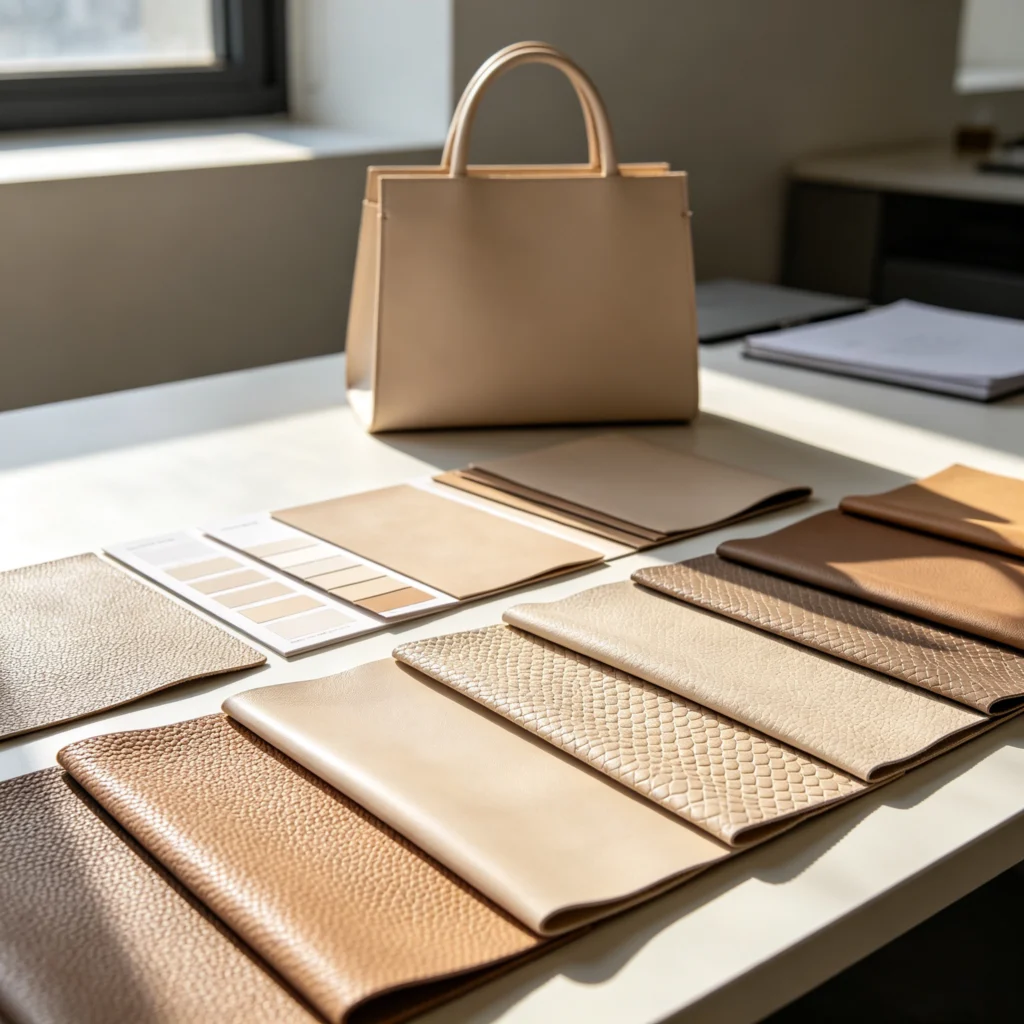
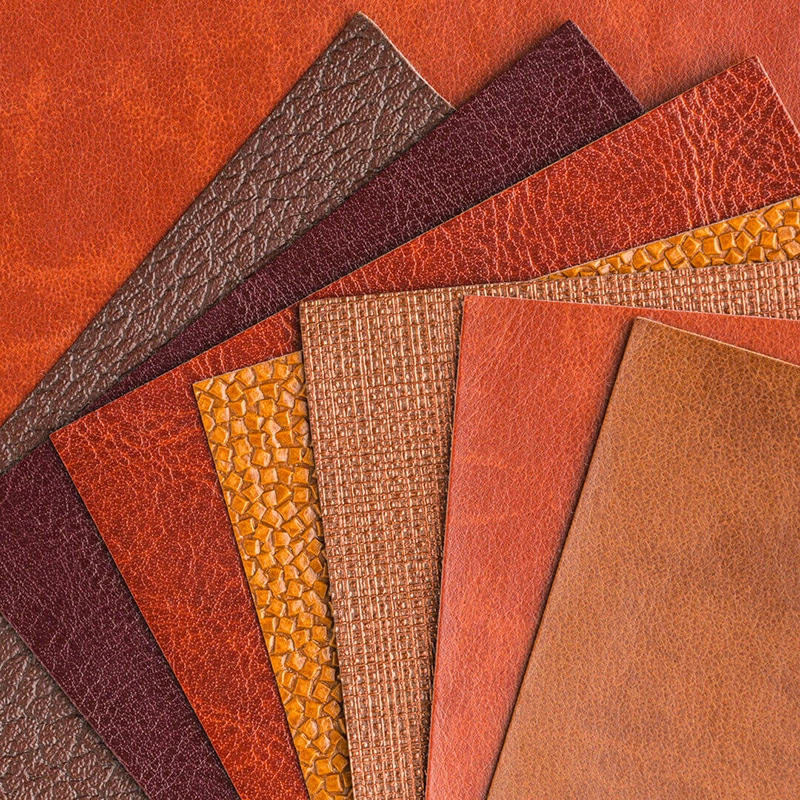
A vegan leather bag may use a clean smooth surface for a minimal design. Another collection may need visible pebbled grain, a softer nappa-style surface or a stronger embossed pattern.
The important point is scale.
A grain that looks attractive on a small swatch can appear much stronger on a large tote panel. A very smooth finish may create a clean visual effect, but surface marks can also become easier to notice depending on the finish.
Color changes with the surface as well.
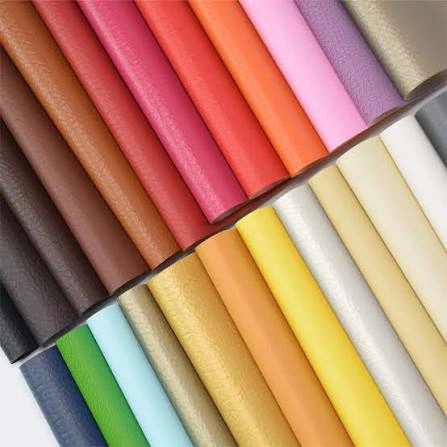
The same beige or brown direction can look different on a matte fine grain, deeper embossing or higher-gloss finish.
Brands should therefore avoid approving the color first and texture later.
We usually recommend reviewing the final color on the intended texture and finish. For collections with several bag sizes, it is also useful to view the material against a panel similar in scale to the finished product.
Approve the Material as Part of a Finished Bag System
A PU swatch is only the first approval stage.
The better question is:
What happens after the material enters bag production?
For example, a brand may like a soft faux leather bag material when touching a flat swatch. After reinforcement and lining are added, however, the finished panel may become much firmer.
The opposite can also happen.
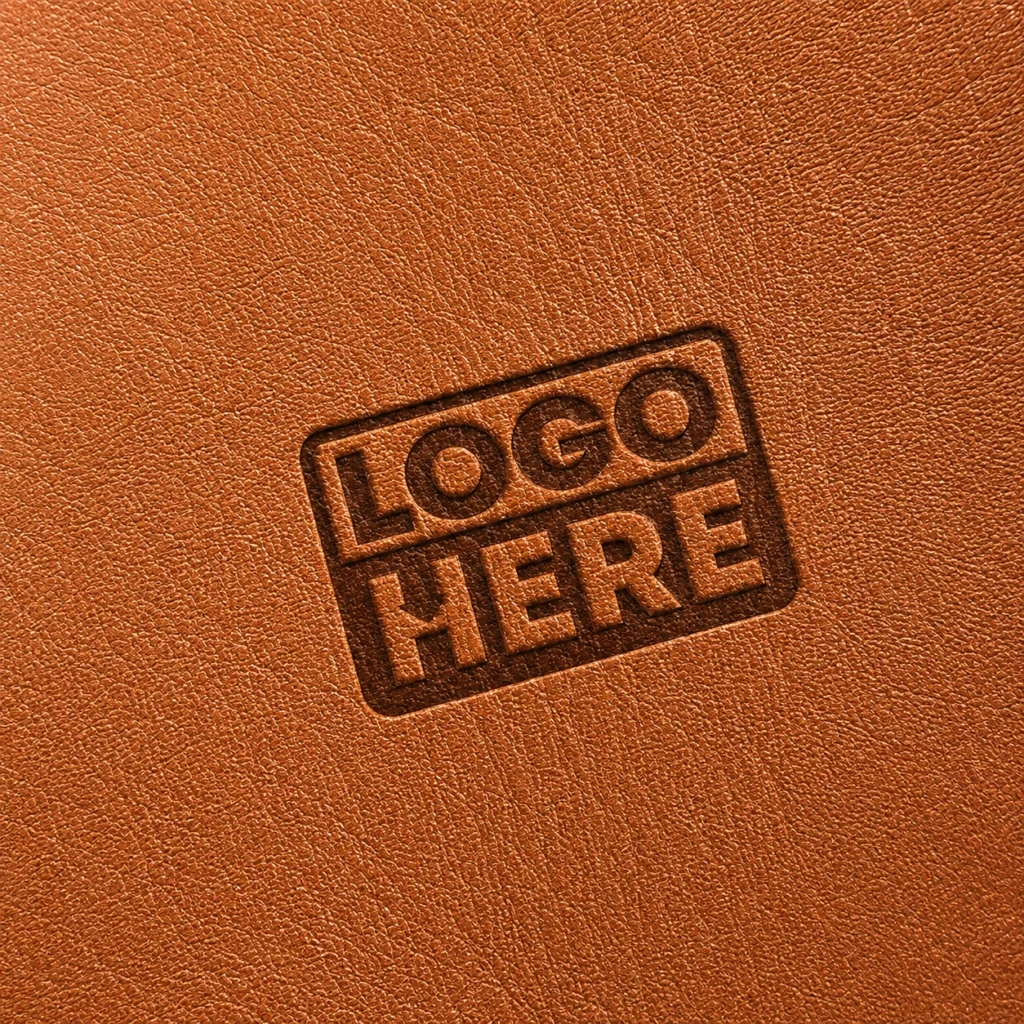
A material that looks slightly soft on its own may work well once the bag includes board, foam or another supporting layer.
Before bulk material approval, brands should consider checking the sample with the actual production processes that matter to the design:
- cutting;
- stitching;
- edge folding;
- logo embossing or printing;
- lining combination;
- reinforcement;
- curved corners;
- repeated opening and closing;
- any application-specific physical testing required by the project.
A useful approval sample does not need to be a complete finished handbag every time. A representative corner, panel or stitched assembly can already reveal problems that a flat swatch cannot show.
This is particularly useful when a brand is moving from a visual concept into the first commercial collection.
For more detail on how PU leather construction, backing and finish affect application matching, buyers can review the related material guide.
Do Not Turn “Vegan” Into Unsupported Environmental Claims
One of the most important distinctions for brands is between animal-free positioning and environmental positioning.
Calling a material vegan does not by itself prove that it is recycled, biodegradable, lower carbon, environmentally friendly or sustainable. Danhon’s existing sustainability guide treats these as separate sourcing questions rather than interchangeable claims.
The phrase “cruelty free leather alternative” also needs careful use.
If a brand wants to make a claim about the complete finished bag, it should review the whole bill of materials. The face material is only one component. Adhesives, trims, coatings, linings and decorative parts may need separate review depending on the promise the brand wants to make.
Environmental wording needs even more care.
In the United States, the Federal Trade Commission’s Green Guides are intended to help marketers avoid environmental claims that could mislead consumers and emphasize the need to support environmental marketing claims.
In Europe, consumer rules are also moving toward tighter treatment of vague environmental claims. Directive (EU) 2024/825 is scheduled to apply from September 27, 2026, and the European Commission specifically highlights restrictions around unsupported generic environmental claims.
For sourcing teams, the practical rule is simple:
Separate the material specification from the marketing claim.
First confirm what the material is.
Then confirm what evidence supports the claim the brand wants to use.
When PU May Not Match the Brand Brief
PU can work well for many vegan leather bag projects, but it is not automatically the correct choice for every brand.
A different material direction may need to be explored when the brief specifically requires:
- verified recycled content;
- a defined bio-based content target;
- a particular lower-impact coating system;
- biodegradability;
- a specific end-of-life strategy;
- a performance requirement that the available PU construction cannot demonstrate;
- a certification or traceability program not supported by the selected material.
In these cases, the brand should state the requirement before sample development.
Do not ask only for “more sustainable vegan leather.”
That phrase is too broad for useful sourcing.
Instead, explain exactly what the brand needs documented or tested.
What Brands Should Send Before Requesting Vegan Bag Material Samples
A useful material request can start with the finished product rather than technical terminology.
Send the supplier:
- the type of bag;
- product drawings or reference images;
- approximate panel size;
- soft, medium or structured hand-feel direction;
- preferred grain or texture;
- matte, satin, semi-gloss or other finish direction;
- target color or physical color reference;
- expected thickness if known;
- reference material if available;
- planned processes such as stitching, folding, embossing or printing;
- target market;
- any required material, chemical or physical testing;
- any specific vegan, recycled or environmental claim the brand expects to make.
If technical details are not yet available, a good reference bag or physical swatch is often more useful than a long list of vague adjectives.
How Danhon Supports PU Material Development for Bag Brands
For bag projects, Danhon can help buyers compare dry-process PU artificial leather by color, texture, thickness, backing, hand feel and surface finish.
The aim is not simply to find a swatch labeled “vegan leather.”
The more useful approach is to understand the bag structure and desired brand appearance first, then narrow the material direction.
Physical samples can be compared before final approval. When a standard option does not match the project, suitable customization of color, texture, thickness, backing or hand feel can be discussed according to the actual requirement.
For brands developing a new vegan leather bag collection, keeping one approved physical material sample as the final reference also helps make later production communication clearer.
Key Takeaways
A vegan leather bag should not be sourced from the word “vegan” alone.
PU can be a practical vegan bag material when its construction matches the finished product.
The bag type should determine the required balance of softness, structure, backing and surface finish.
Color and grain should be approved together rather than separately.
A flat swatch should be checked against real bag processes before bulk approval.
“Vegan,” “cruelty-free,” “recycled,” “sustainable” and “eco-friendly” are different claims.
Brands should request evidence for any environmental or material claim they intend to use.
The most useful material brief combines brand direction with real product requirements.
Frequently Asked Questions
Does vegan leather always mean PU?
No. Vegan leather is a broad commercial term and may refer to different non-animal-hide material constructions. If PU is required, the buyer should state PU clearly in the material specification instead of relying only on the term vegan leather.
Should a brand review the whole bag before marketing it as vegan?
That is the safer sourcing approach. The visible PU leather may avoid animal hide, but a finished bag can also contain adhesives, trims, linings, labels and decorative components. Brands should review the relevant components according to the claim they intend to make.
Is “cruelty-free” the same claim as “vegan leather”?
They should not automatically be treated as identical. “Vegan leather” usually describes the material direction, while “cruelty-free” can be interpreted as a broader claim about how a product or its components were sourced or produced. Brands should define and substantiate the wording they use.
Does PU vegan leather require a special vegan certificate?
A PU material description and a voluntary vegan certification are different things. If a brand requires a specific certification scheme, that requirement should be stated before sourcing so the supplier can confirm whether suitable documentation is available.
What if our brand wants to claim recycled or bio-based vegan leather?
Add the required content and documentation to the RFQ before sample development. Do not assume that ordinary PU leather, or material described only as vegan leather, includes recycled or bio-based content.
Can one vegan leather material be used across handbags, wallets and backpacks?
Possibly, but using the same material everywhere should not be the starting assumption. Large structured panels, small folds and backpack seam areas can place different demands on the material. A shared surface direction may still require different construction options.
What is the most useful reference when a brand does not know the PU specification?
A physical material sample or existing finished bag can be very useful. Add clear notes explaining what should be copied and what should change, such as color, grain, softness, thickness or surface finish.
Discuss PU Material for Your Vegan Bag Project
If you are developing handbags, totes, backpacks, wallets or accessories using PU as a vegan leather direction, start with the finished product rather than a generic material name.
Share your bag design, reference material, preferred color, texture, thickness, backing, hand feel and target market. Danhon can then help you compare suitable PU samples or discuss a custom material direction before bulk production.
Contact Danhon for PU Leather Samples and Custom Material Support