Quick Answer for Buyers
Quick answer: PU leather can be a practical leather alternative material, but it should not be described as automatically sustainable. A more accurate term is “sustainable PU leather direction” when the material, process, durability, testing and end-use are reviewed together.
For B2B buyers, the real question is not only “is PU leather sustainable?” The better question is: does this material reduce the right risks for your product, market and supply chain? A material can be animal-free and still have environmental concerns. It can also be synthetic, but still useful when it improves durability, consistency, material yield or product affordability.
Why “Sustainable PU Leather” Needs Careful Wording
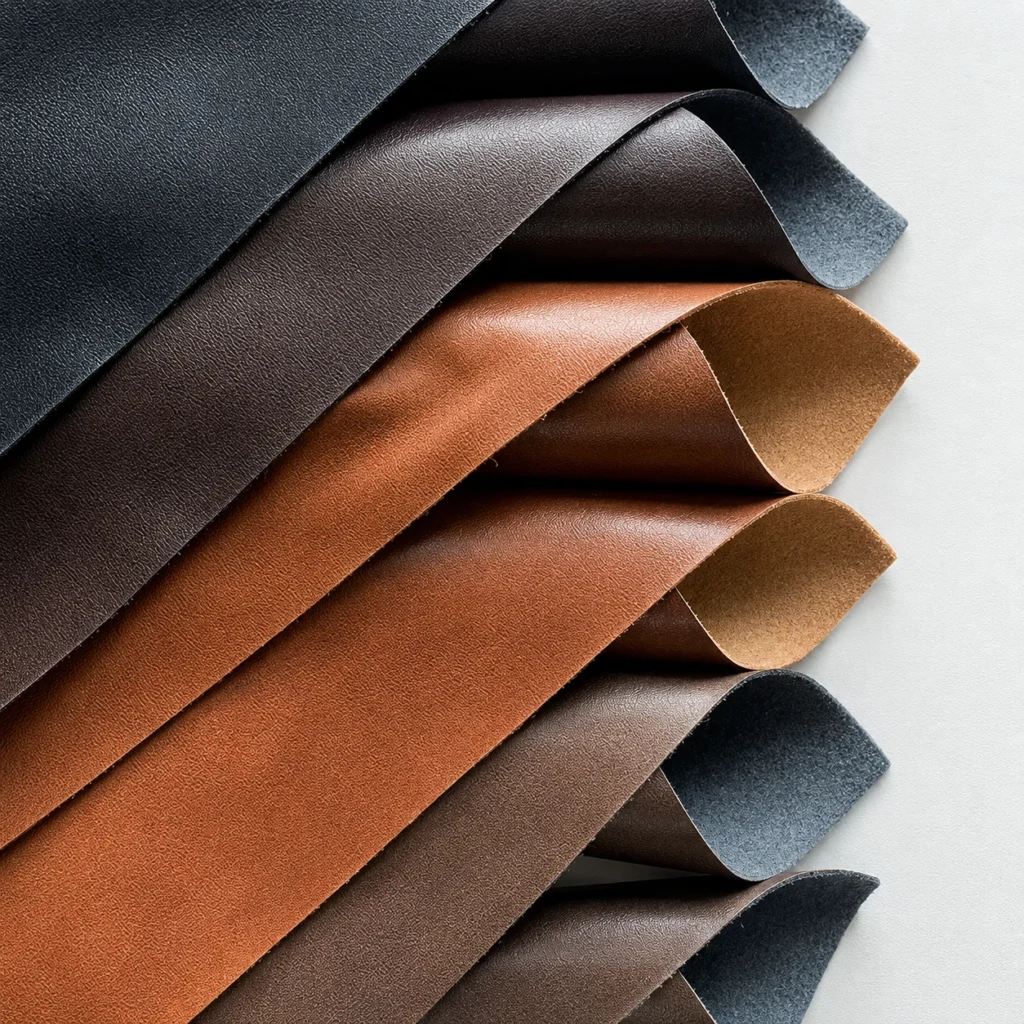
The phrase “sustainable PU leather” is widely searched, but it can be misleading if used too loosely. PU leather is normally made with a polyurethane surface layer and a textile backing. Its environmental profile depends on raw materials, coating system, backing fabric, production method, durability, usage and end-of-life handling.
This is why buyers should avoid simple labels such as “eco-friendly PU leather” without supporting details. A supplier should be able to explain what makes the material direction lower impact. It may relate to recycled backing, regenerated material content, waterborne coating direction, reduced solvent direction, longer product life or project-specific testing support. Each claim needs proof.
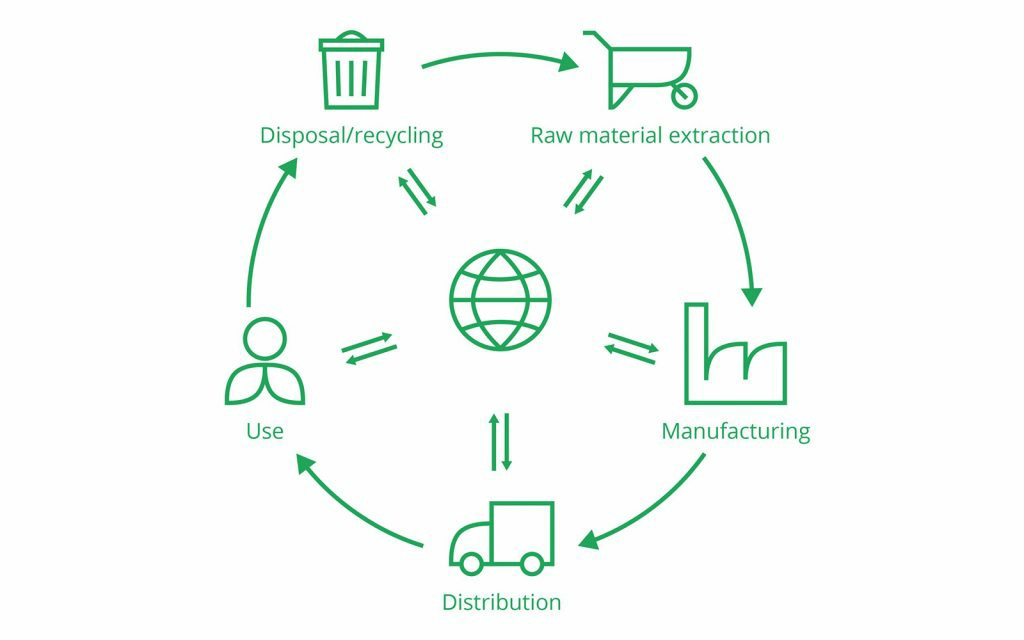
The U.S. EPA explains sustainable materials management from a life-cycle view, including material extraction, manufacturing, use and end-of-life management. This is a useful way to think about PU leather environmental impact, because one single material name cannot explain the full result.
The Main Sustainability Questions Buyers Should Ask
When buyers compare synthetic leather sustainability, they often focus only on whether the material is animal-free. That is only one part of the discussion. A more useful sourcing review should include several questions.
| Sustainability Factor | Buyer Question | Practical Sourcing Action |
|---|---|---|
| Material composition | What is the surface layer, backing fabric and coating direction? | Ask for a material description and available documentation. |
| Production route | Does “dry process” mean solvent-free? | Do not assume. Confirm the actual coating system with the supplier. |
| Durability | Will the material last in the final product? | Check physical samples under real cutting, folding and use conditions. |
| Chemical review | Are there market-specific restricted substance concerns? | Discuss REACH, phthalates, azo dyes or other tests based on the target market. |
| Application fit | Does the material match shoes, bags, garments, gloves or packaging? | Evaluate thickness, backing, surface finish and hand feel by application. |
| End-of-life | Can the finished product be reused, repaired or used longer? | Design for longer use instead of choosing by material label alone. |
For synthetic materials, buyers should also pay attention to circularity, collection, reuse and recycling challenges. The European Environment Agency discusses these issues in its report on synthetic textile circularity, which is useful background when reviewing synthetic leather sustainability.
PU Leather, Vegan Leather and Material Claims
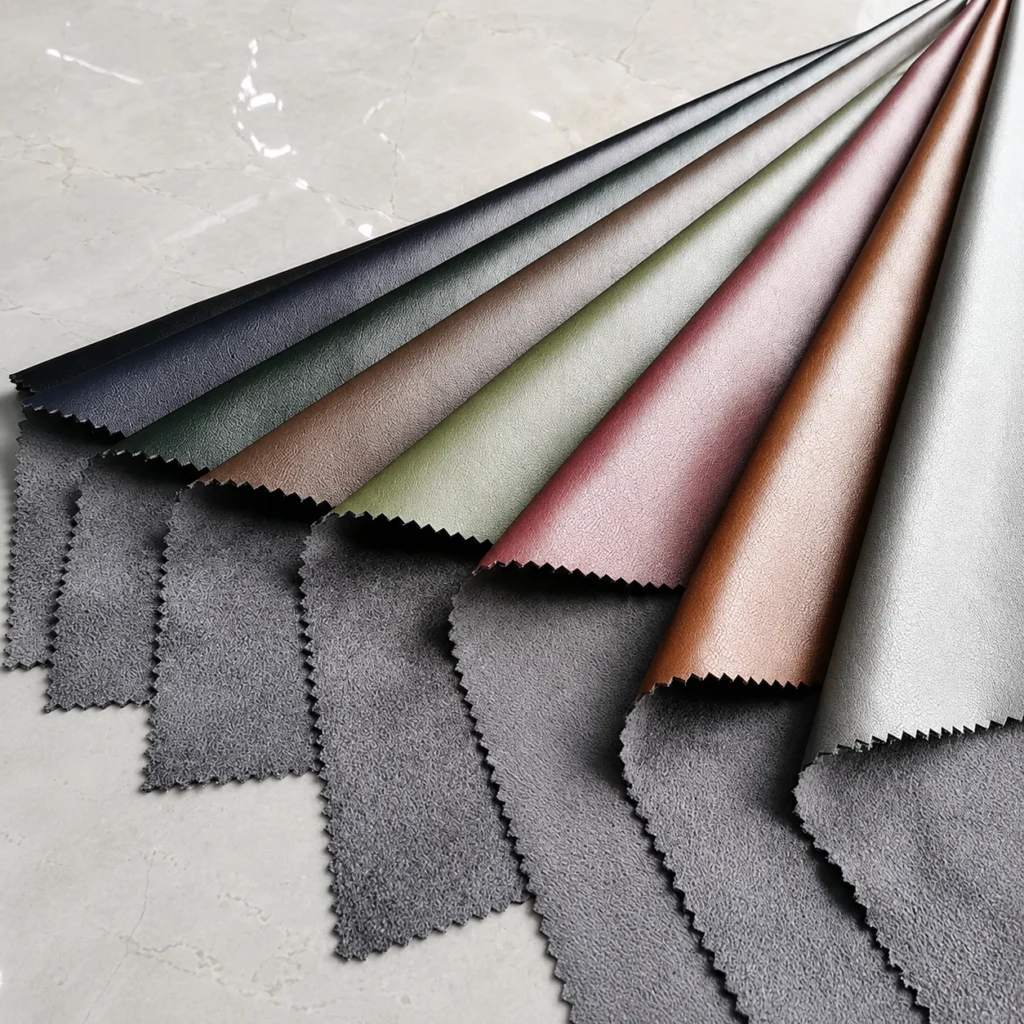
PU leather is often called vegan leather because it is not made from animal hide. For many brands, this animal-free position is important. It can support product lines that avoid animal-derived materials.
However, “vegan leather” does not automatically mean low environmental impact. It mainly describes the absence of animal leather. It does not prove recycled content, biodegradability, chemical safety, lower carbon impact or easier recycling.
For this reason, B2B buyers should separate these claims:
- Animal-free: whether the material avoids animal hide.
- Lower-impact direction: whether the material has verified features that may reduce impact.
- Compliance: whether the selected material and final product meet target-market requirements.
- Performance: whether the material works in real production and use.
This distinction is important for the United States and Europe. For EU projects, buyers may need to review chemical obligations under the EU REACH Regulation. In some cases, producers and importers may also need supply-chain information about Candidate List substances in articles.
For some U.S. product categories, buyers may need to review finished-product requirements, including CPSC phthalates guidance when relevant.
Where PU Leather Can Still Make Practical Sense
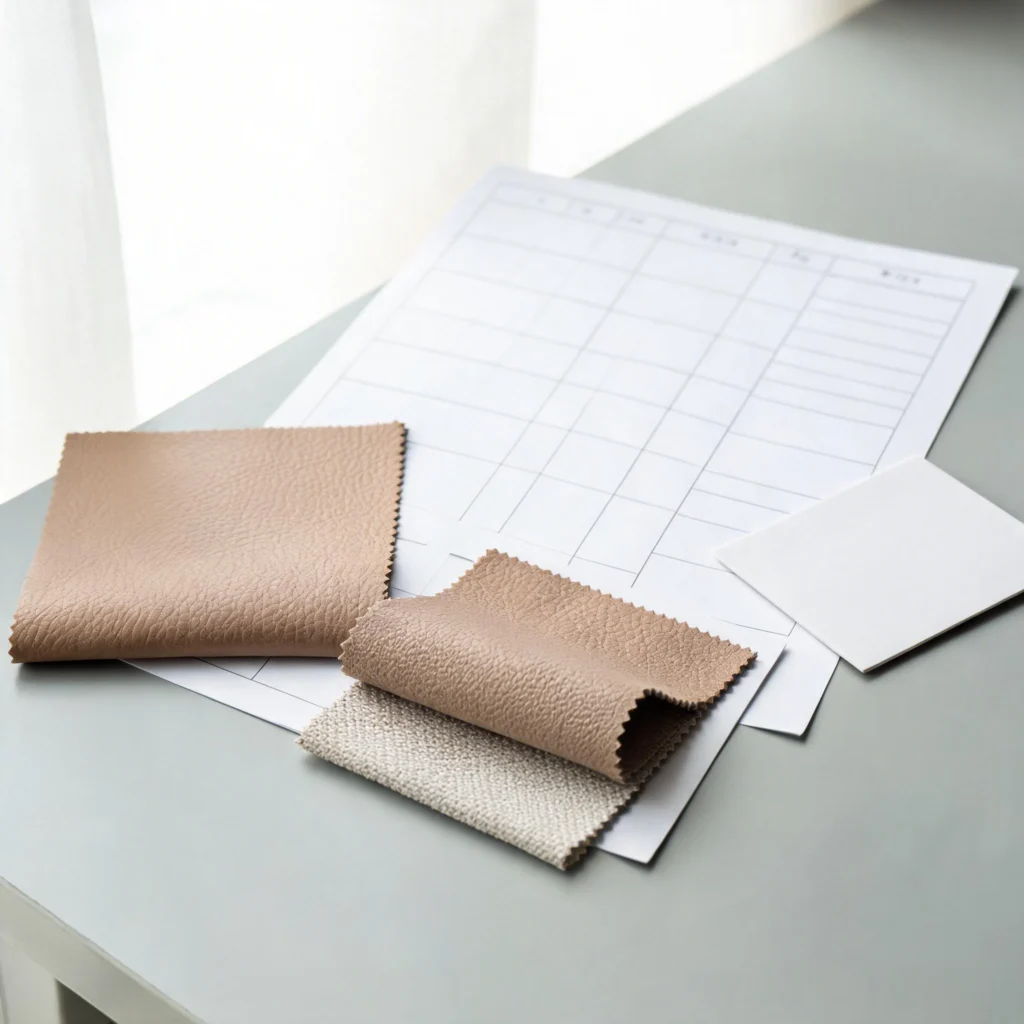
A balanced view should not treat PU leather as either perfect or unacceptable. In many sourcing projects, PU artificial leather remains useful because it can provide stable color, controlled texture, flexible hand feel and application-based customization.
For bag projects, PU leather can help buyers control grain, gloss, thickness and backing. A structured handbag may need more support. A soft pouch may need better drape. A good material decision depends on the final product, not only the sustainability label.
For shoe upper applications, buyers often need a balance of flexibility, surface appearance and backing strength. A material that looks good on a flat swatch may behave differently after bending, stitching or lasting. This is why sample testing remains important.
For packaging or jewelry boxes, PU leather can offer decorative surface options and color consistency. But the buyer should still check lamination behavior, adhesive compatibility, surface appearance and any market-specific chemical concerns.
The most realistic approach is to match material direction with product life. If a PU leather material helps the finished product last longer, reduces rejected goods and avoids repeated sample mistakes, it may support a better sourcing result than a poorly matched alternative.
Common Buyer Mistakes Around Eco-Friendly PU Leather
One common mistake is asking for “eco-friendly PU leather” without defining what eco-friendly means. Some buyers mean animal-free. Some mean recycled content. Some mean waterborne coating. Some mean REACH-related testing. These are different requirements.
Another mistake is assuming that dry-process PU leather is automatically solvent-free. “Dry process” describes a production route. It does not prove the material is waterborne, solvent-free, recycled or biodegradable. Buyers should ask for project-specific information before using these claims in marketing.
Buyers also sometimes compare materials that are not equal. A soft 0.7mm PU leather and a 1.2mm structured material may have different weight, backing and coating layers. The comparison should use similar thickness, backing, texture and performance expectations.
A final mistake is approving a sustainability direction before approving the real sample. A material may sound good in a supplier description, but the final decision should still be based on physical samples, application trials and required documentation.
What to Ask a Supplier Before Choosing a Lower-Impact Direction
Before choosing sustainable alternatives to PU leather or a lower-impact PU direction, buyers should prepare a clear sourcing brief. This helps the supplier recommend a material that fits the project instead of only responding with generic claims.
- What finished product will use the material?
- Is the target application shoes, bags, garments, gloves or packaging?
- What thickness range is acceptable?
- What backing fabric and hand feel are needed?
- Is the surface matte, semi-matte, glossy, smooth or embossed?
- Does the project need recycled, regenerated, waterborne or other lower-impact direction?
- Which target market applies: United States, Europe or another region?
- Are chemical or physical tests required by the buyer, importer or brand?
- Will the final product be cut, stitched, folded, glued, laminated or heat processed?
- What documents are needed before bulk production?
These questions make the discussion more practical. They also reduce the risk of unsupported sustainability claims.
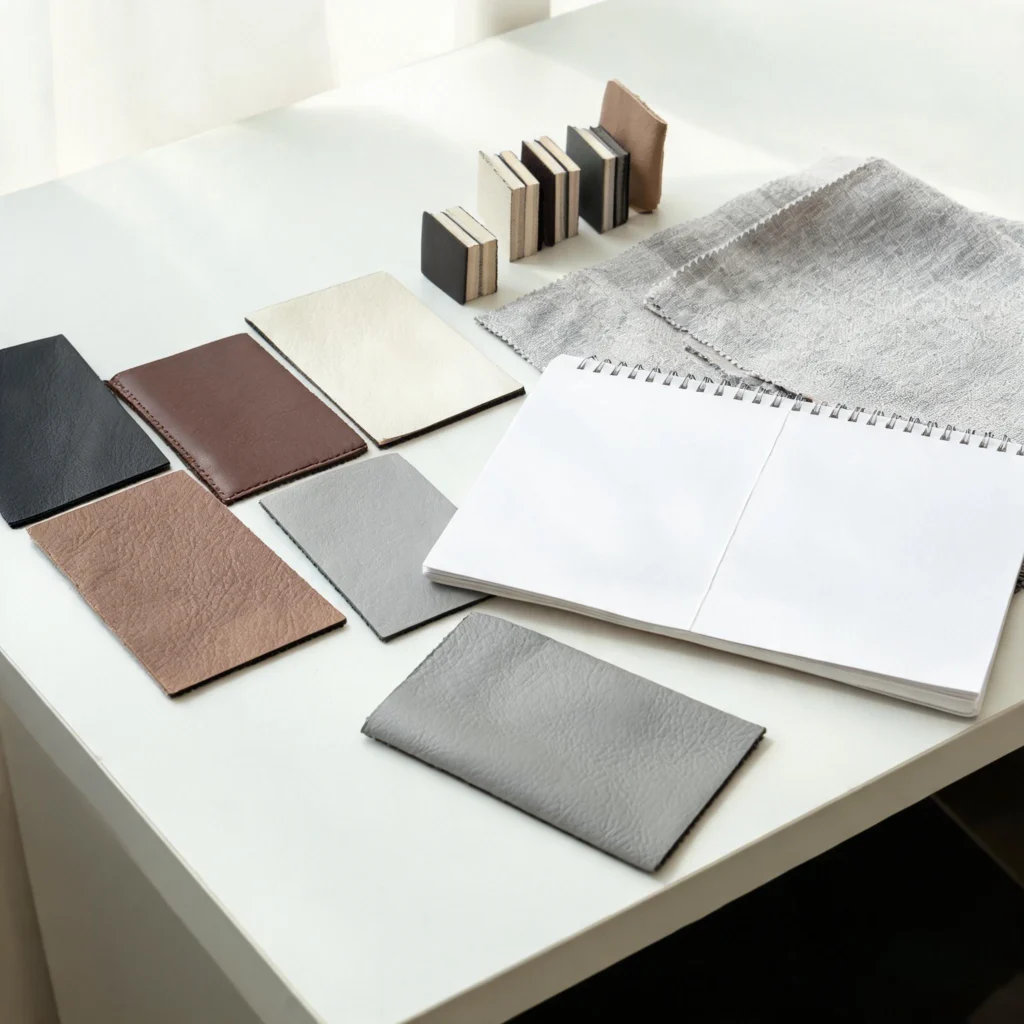
How Danhon Supports Practical Material Review
Danhon supports PU artificial leather options for shoes, bags, garments, gloves, jewelry boxes and packaging. For sustainability-related sourcing, the better approach is to review the material direction together with application, sample performance, target market and available documentation.
Buyers can compare PU leather materials, review application-specific options such as PU leather for bags and PU leather for shoes, or discuss custom PU leather development when color, texture, thickness, backing or hand feel needs adjustment.
For projects that need testing discussion, buyers can also review available material testing information. These examples should not be treated as proof for every material. The correct test plan should match the selected material, finished product and target market.
Key Takeaways
- PU leather is not automatically sustainable, but it can be part of a practical lower-impact material direction.
- Vegan leather means animal-free, not automatically eco-friendly.
- PU leather environmental impact should be reviewed through material composition, production, durability, use and end-of-life.
- Buyers should avoid broad claims unless documents and project details support them.
- Physical samples remain important before bulk material approval.
- The best sourcing decision depends on the finished product, market and application.
Frequently Asked Questions
Is PU leather sustainable?
PU leather is not automatically sustainable. It may support a lower-impact direction when the material construction, durability, chemical review and final application are carefully checked.
Is PU leather eco friendly?
It depends on what “eco friendly” means in the project. Buyers should define whether they mean animal-free, recycled content, lower solvent direction, testing support or longer product life.
Is PU leather vegan?
PU leather is generally considered animal-free because it is not made from animal hide. However, vegan does not automatically mean biodegradable, recycled or low impact.
What should B2B buyers check before using sustainability claims?
Buyers should check material composition, supplier documentation, target-market rules, sample performance and any required tests. Claims should match real evidence.
Are there sustainable alternatives to PU leather?
There are alternative material directions, including bio-based, recycled, regenerated or other synthetic leather options. Each one still needs review for durability, cost, availability, performance and testing.
Should buyers test PU leather before bulk production?
Yes. Testing should be based on the final material, product use and target market. A general material name is not enough to prove compliance or performance.
Discuss PU Leather Samples and Material Direction
If you are comparing sustainable PU leather directions for shoes, bags, garments, gloves or packaging, start with the final product requirements. Share your application, target thickness, color, texture, backing, hand feel, quantity and market requirements.
For sample review, color-card selection or custom material discussion, Contact Danhon for PU Leather Samples and Custom Material Support.