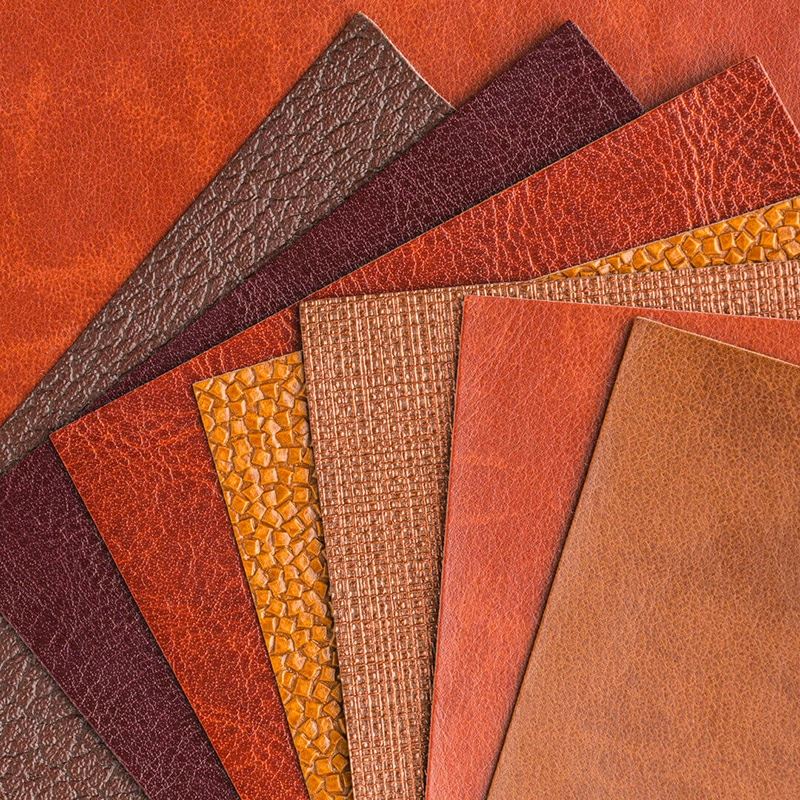
Quick Answer: Evaluate patent-look PU shoe uppers for reflection quality, response to lasting, repeated flexing, coating adhesion and contact with packaging. Approve gloss and reflection clarity separately, because gloss units do not measure distinctness of image. Set gauge, process temperature and performance criteria for the actual shoe construction rather than using universal patent-leather benchmarks.
Why Patent PU Upper Materials Demand Specialized Footwear Engineering
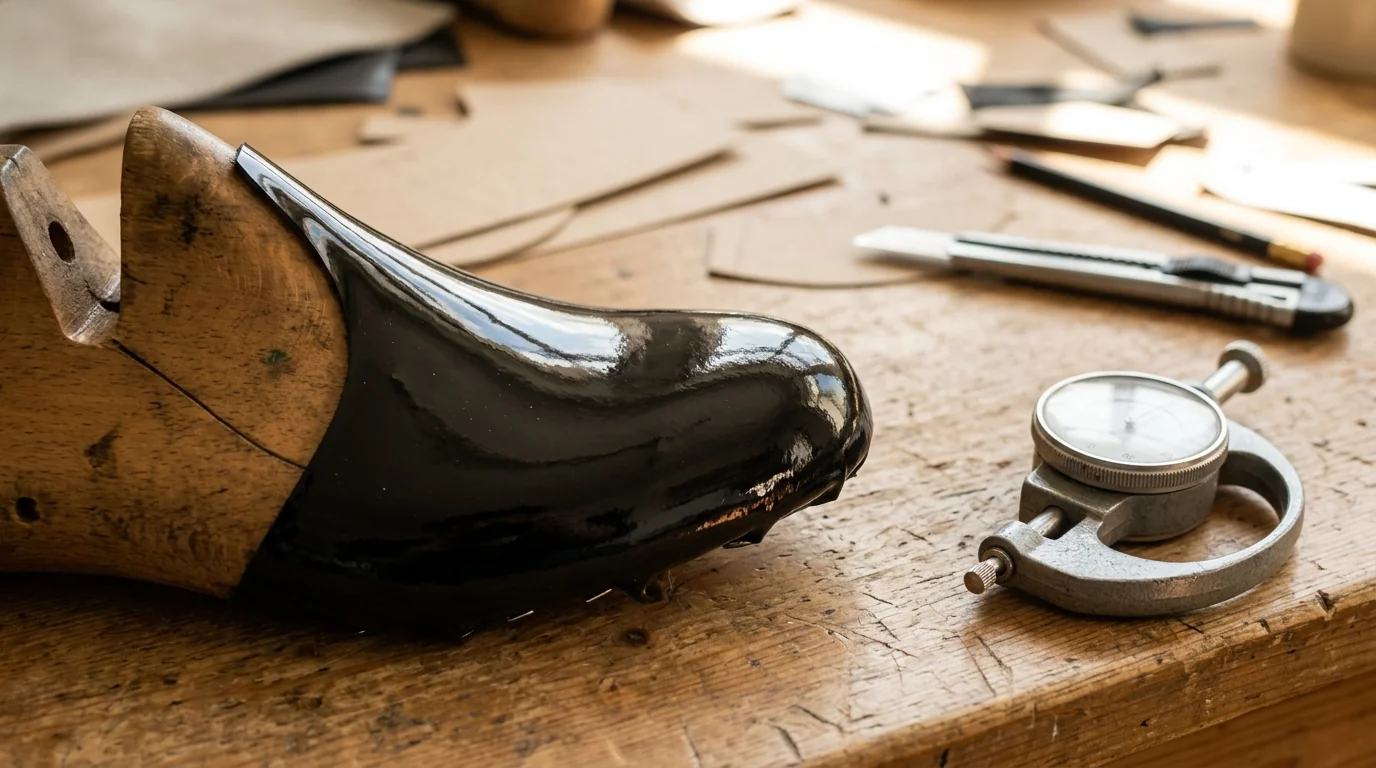
A patent-look upper can reveal small surface distortions and handling marks more readily than some textured finishes. For PU shoe upper materials, the visible result depends on the finish, substrate and forming process together. Inspect a finished shoe because a flat high-gloss swatch does not demonstrate how the vamp or toe will behave after lasting.
Cracking, whitening, delamination and packaging marks are separate failure modes with potentially different causes. Record the actual heat, strain, adhesive and contact conditions used by the factory. Compare material candidates on that process before approving the commercial appearance.
Comparing Glossy Upper Routes: Mirror Patent PU, Wrinkle Patent, and Microfiber Base
Mirror, film-laminated, crinkle and microfiber-base descriptions identify possible construction directions, not a durability ranking. Ask for the exact coating, backing and gauge of each candidate. If comparing microfiber leather constructions, confirm which layers contain PU and evaluate the finished upper on the same footwear trial.
| Upper route | Gauge decision | Construction to confirm | Application trade-off |
|---|---|---|---|
| Mirror patent PU | Approve on the intended upper | Coating stack and leveling over the backing | Inspect reflection distortion, forming marks and flex whitening. |
| Film-laminated glossy PU | Evaluate film and backing together | Film chemistry, adhesive and backing | Validate process heat and bonding compatibility. |
| Crinkle patent PU | Select against the desired crease effect | Embossed or formed surface and support layer | Distinguish intended wrinkles from coating damage. |
| Microfiber-base patent material | Approve complete composite gauge | Microfiber substrate and finish system | Do not assume superior tear strength or cold-flex performance without comparative results. |
Optical Clarity, Orange Peel Control, and Lasting Crazing Prevention
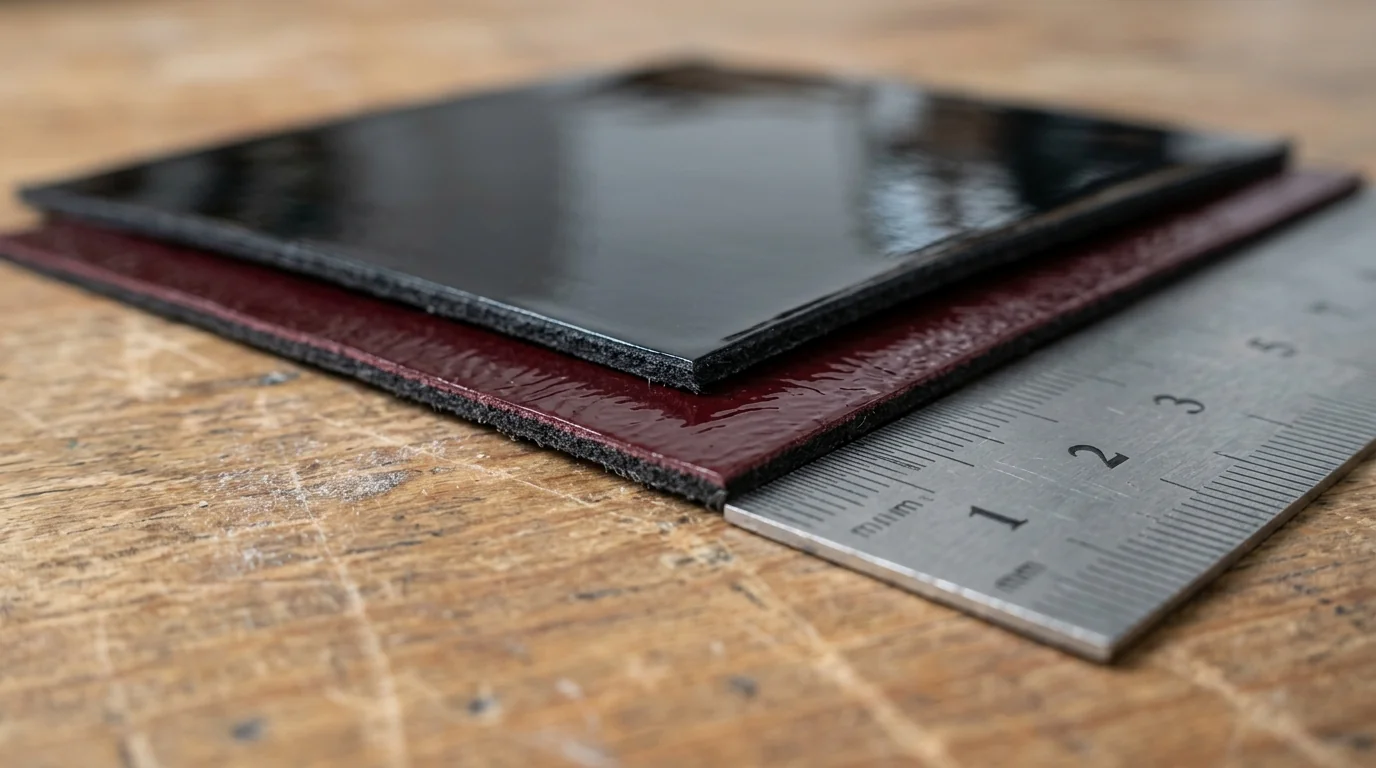
Review reflection quality on flat material, curved sample panels and the finished shoe under repeatable lighting. A straight reflected line can help reveal distortion, but it is a screening observation rather than a measured DOI result. Retain a physical appearance reference that includes the agreed viewing distance and surface orientation.
- Gloss versus image clarity: If instrumental measurements are required, specify gloss geometry separately from any DOI or haze assessment; a gloss-unit target cannot stand in for both.
- Lasting response: Run trials at the factory-approved temperature, time and strain for the supplied construction. Inspect whitening, micro-cracking and pincer marks after cooling and recovery.
- Blocking and contact transfer: Evaluate the proposed tissue, separators and neighboring materials under agreed storage conditions. No resin label alone establishes freedom from sticking or staining.
Pre-Production Footwear Testing Matrix for Patent PU Uppers
Ask the laboratory to confirm which methods apply to the supplied synthetic construction and finished footwear. ISO 5402-1 concerns leather flexing, while footwear-specific methods have their own scope; neither creates an automatic purchase limit for every PU upper. Keep coating adhesion, upper-to-sole bond and storage blocking as separate checks.
| Check | Procedure to confirm | Acceptance basis | Why separate it |
|---|---|---|---|
| Vamp flex resistance | Method suitable for the actual upper material | Agreed conditioning, exposure and visible damage criterion | A cycle result is meaningful only with its procedure and endpoint. |
| Cold behavior | Separate cold-flex and cold-crack procedures as applicable | Temperature, cycles and evaluation agreed independently | ISO 17233 cold-crack temperature is not a repeated-flex cycle count. |
| Coating and sole bonding | Material adhesion plus finished-shoe bond procedures | Independent criteria for each interface | ISO 11644 leather-finish adhesion does not establish sole-bond performance. |
| Lasting response | Documented upper forming trial or suitable distension test | Approved last, process and failure definition | One distension value cannot guarantee survival on every lasting line. |
| Surface blocking | Agreed storage/contact assessment | Temperature, load, duration and packaging specified | Inspect sticking, transferred marks and gloss change separately. |
Customizing Patent Shoe Upper Materials with Danhon
For a patent-look footwear project, Danhon can review requirements against available PU artificial leather materials and physical samples. Share the shoe type, lasting process, desired gloss, construction and test requirements before discussing feasible options. Exact gauges, microfiber bases and specialty finishes must be confirmed for the proposed sample rather than assumed to be available across a fixed supply range.
Frequently Asked Questions (FAQ)
Can a factory use its usual roughing and primer setup on a new patent upper?
Not without an adhesion trial on the proposed construction. Agree the roughing depth and primer with the material and adhesive suppliers; an aggressive preparation can damage the backing as well as the finish.
Should the sample approval record include the shoe-box tissue?
Yes, when tissue or other packing contacts the upper. Retain the actual packaging specification and repeat relevant contact testing after a paper, ink or separator change.
How should production set a heat-setting window for patent PU?
Use the supplier restrictions and controlled trials on the actual upper assembly. Record surface temperature, dwell time, pressure and the condition after cooling instead of adopting a universal safe temperature.
How can buyers distinguish expected vamp creasing from a defect?
Approve a worn reference or documented appearance criterion for the intended design. Define unacceptable cracking, whitening or delamination separately from ordinary crease formation.
Request Patent PU Footwear Swatches and Technical Consultation
Developing durable patent leather shoes requires verifying mirror clarity, lasting elongation, and flex endurance on physical sample yardage prior to bulk production. Contact Danhon for Patent Shoe Upper Swatches & Color Cards to compare backing structures, thickness gauges, and custom gloss finishes for your upcoming footwear line.