Quick Answer: What Does PU Faux Leather Fabric Mean?
PU faux leather fabric usually describes a manufactured leather-like material in which polyurethane, or PU, is part of the material or coating system. The words “faux leather” identify the material as an imitation or alternative to conventional leather, while “fabric” is commonly used in sourcing to describe a flexible material supplied for cutting, sewing, wrapping or other manufacturing processes. For buyers, however, the complete phrase is still a commercial material name rather than a complete technical specification.
That distinction is important when requesting quotations or samples. A supplier receiving a request for “black PU faux leather fabric” understands the general material direction, but still does not know the required thickness, backing, grain, finish, hand feel, structure or final application. The practical meaning of PU faux leather fabric is therefore useful for material discovery, but not sufficient for production approval.
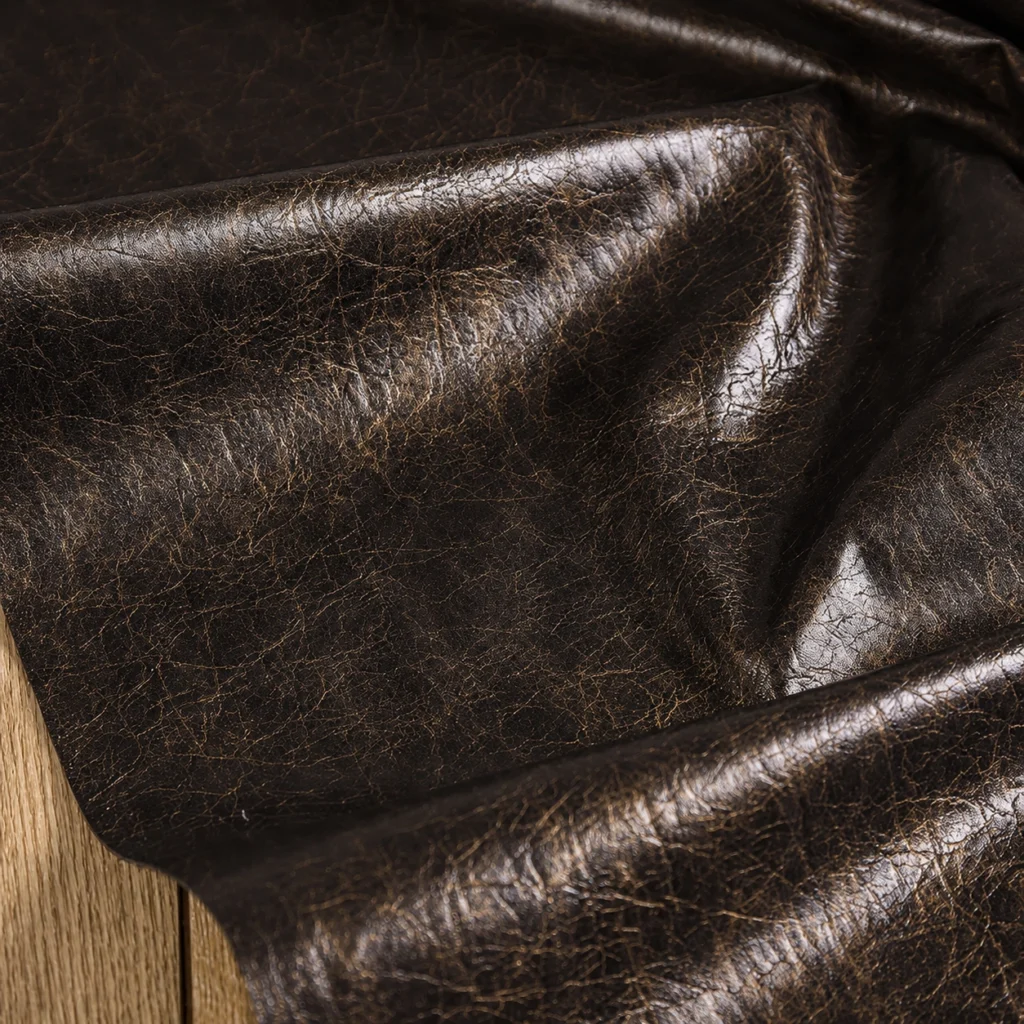
What the Three Words Actually Tell a Buyer
The easiest way to understand the term is to separate it into three parts. Each part narrows the sourcing direction, but none of them describes the complete material by itself. When combined, they provide a useful starting description rather than a finished specification.
| Term | What It Usually Communicates | What It Does Not Confirm |
|---|---|---|
| PU | Polyurethane is part of the material direction or coating system | Exact PU formulation, coating structure, process or performance |
| Faux leather | The material is intended to provide a leather-like appearance or function without being described as conventional leather | Exact polymer, backing, thickness or construction |
| Fabric | A flexible material intended for manufacturing and often supplied in rolls | Whether the supporting substrate is woven, knitted or nonwoven |
This explains why different suppliers may use slightly different names for visually similar materials. One catalog may say “PU faux leather,” another may use “PU leather fabric,” and another may describe a similar product as “PU synthetic fabric.” Buyers should use these names to locate possible materials, then move from terminology to specifications before comparing samples or prices.
Why “Fabric” Is the Most Easily Misunderstood Word
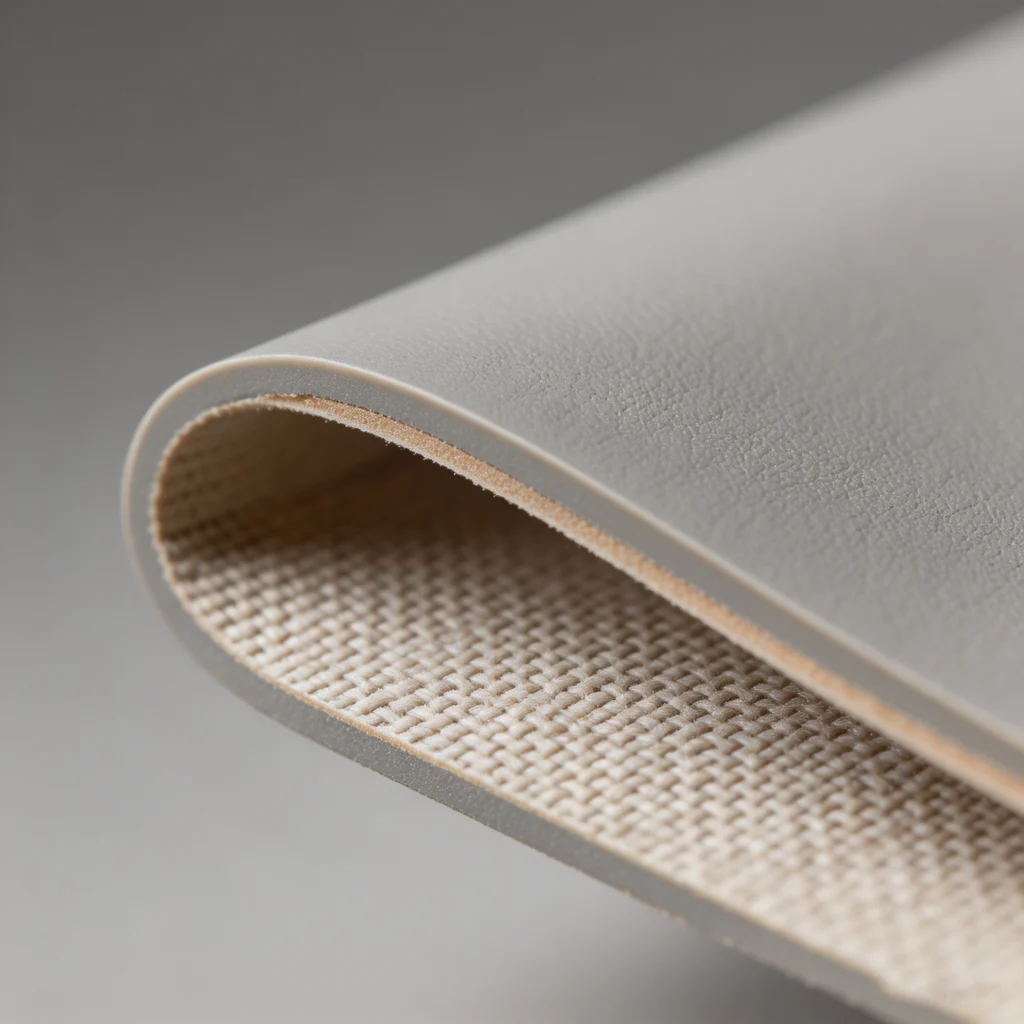
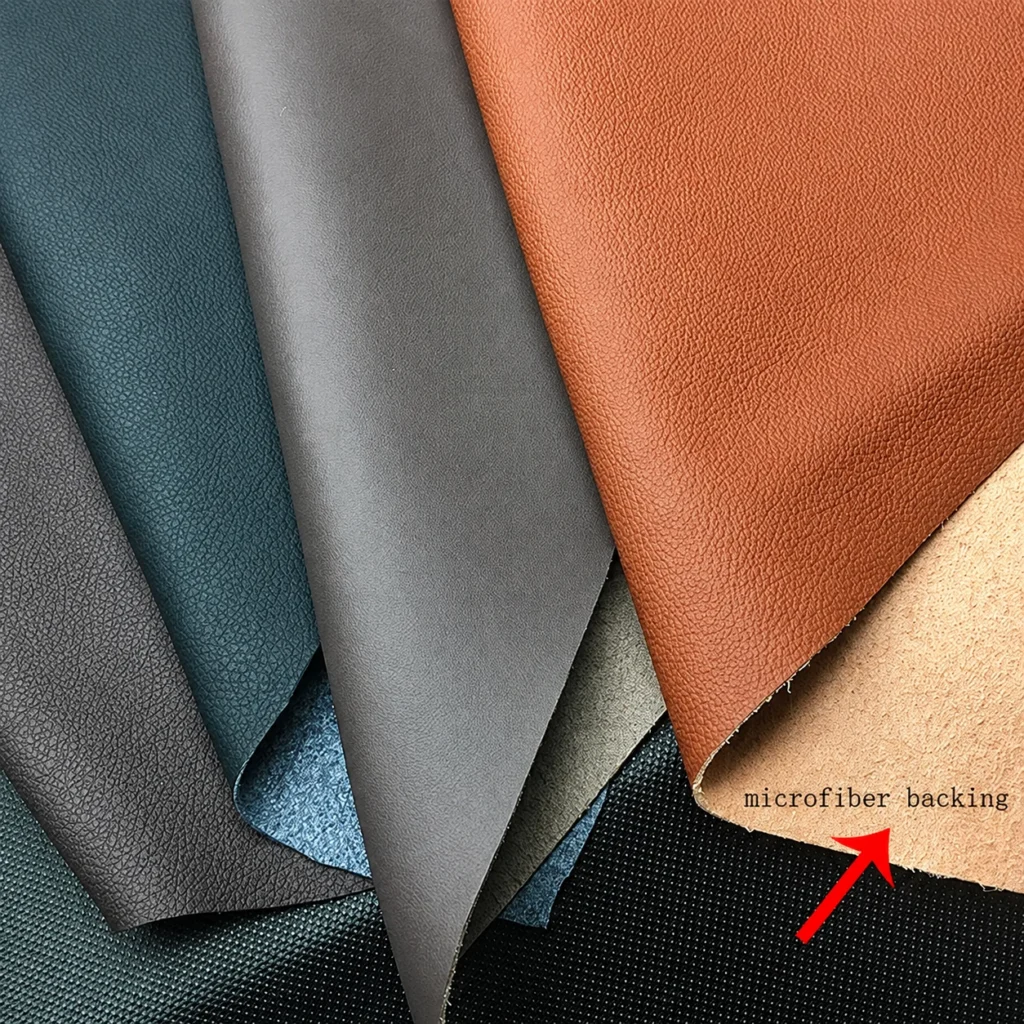
The word “fabric” can create confusion because buyers sometimes assume it describes the exact backing construction. In commercial artificial leather sourcing, that assumption is risky. A PU leather material may be supported by woven, knitted or nonwoven substrates, and the word “fabric” in a product title does not necessarily identify which one is being used.
The backing matters because it can influence softness, stability, stretch, hand feel and production behavior. Two PU faux leather fabric samples may show nearly identical black surfaces and similar grains while bending, sewing or forming differently because their supporting structures are not the same. Buyers who need a specific backing should therefore ask for that information separately instead of reading it from the product name.
This is especially important for manufacturers working with bags, shoes and garments. A structured handbag may need more material stability, while a jacket needs much more movement and drape. A footwear upper introduces another set of forming and bending requirements, even when all three products could be described as using PU faux leather.
A Commercial Material Name Is Not a Technical Specification
The most useful sourcing rule is simple: a material name helps you search, while a specification helps you buy. “PU faux leather fabric” narrows the product family, but the supplier still needs enough information to identify a material that can work in the finished product. Treating the name as a specification often leads to samples that look correct in photos but feel or behave differently from what the buyer expected.
For example, imagine two suppliers both quote a 0.9 mm black PU faux leather fabric with a fine grain. One sample has a softer backing and flexible hand feel, while another feels firmer and provides more body. Their written product names may look almost identical, yet one could be more suitable for a soft bag and the other for a structured panel.
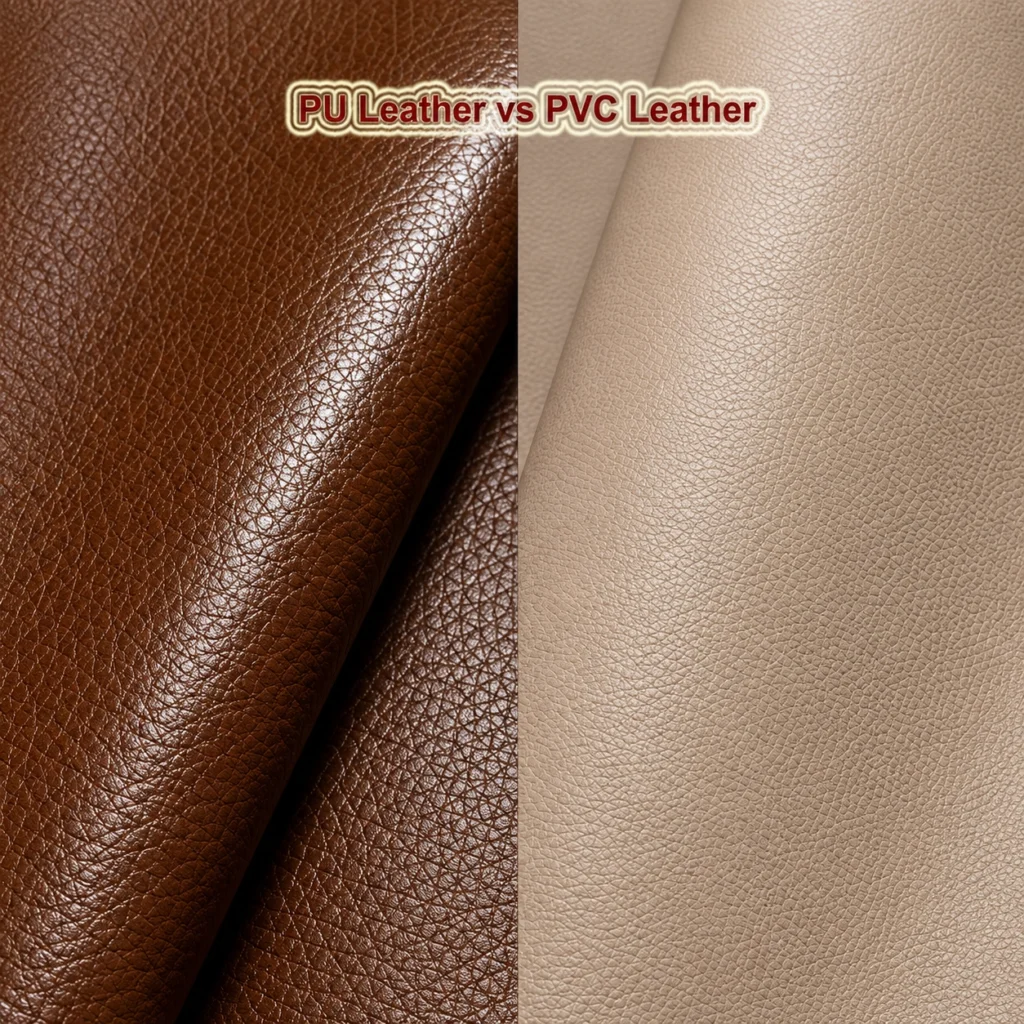
The same problem applies to surface appearance. Matte, semi-matte and glossier finishes can change how the same color looks, while embossing depth can change both visual character and touch. This is why physical samples remain important even when the product description appears very precise.
How Suppliers Use “PU Faux Leather Fabric” in Catalogs and Quotations
Suppliers often use broader commercial names because buyers search for materials in different ways. A US buyer may search for “faux leather fabric,” while another buyer uses “PU leather,” “synthetic leather” or a product-specific query such as “PU leather fabric for handbags.” Product titles therefore tend to combine several familiar terms to make the material easier to identify.
This does not mean every phrase is a standardized material classification. A catalog title is designed to communicate the general product quickly, while a technical discussion must go further. Buyers should separate the search name from the information used to approve the final material.
For suppliers, the same principle improves quotation accuracy. When an inquiry only contains a broad product term, the next step should be to clarify the finished application and major specifications rather than assuming what the buyer means. This can prevent quotations for materials that share the same name but belong to different construction or price directions.
Turn PU Faux Leather Fabric Into a Usable RFQ
A useful RFQ should keep the commercial material name but add information that reduces interpretation. The purpose is not to create an overly technical document. It is to give the supplier enough context to select closer samples and make quotations more comparable.
Instead of writing:
“Please quote black PU faux leather fabric.”
A buyer can write:
“Please quote matte black PU faux leather fabric for a structured handbag. We prefer a fine grain, around 0.9 mm thickness, medium-firm hand feel and stable backing. Please suggest suitable samples for evaluation.”

The second request gives the supplier a clearer material direction without pretending that every technical detail is already known.
Useful information normally includes:
- finished product and where the material will be used;
- preferred PU material direction;
- target thickness or acceptable range;
- smooth, fine-grain, pebbled or other texture direction;
- matte, semi-matte, glossy or other finish;
- soft, medium or firmer hand feel;
- backing requirement when known;
- color reference or physical swatch;
- expected quantity;
- target market;
- project-specific testing requirements when applicable.
Buyers do not always need to know every answer before contacting a supplier. Unknown specifications can be discussed during sample selection. The important point is to avoid assuming that the words “PU faux leather fabric” have already answered them.
Do PU Faux Leather, Faux PU Material and PU Synthetic Fabric Mean the Same Thing?
These phrases often overlap in commercial use, but buyers should not assume perfect technical equivalence. “PU faux leather” emphasizes the leather-like material and its PU direction. “Faux PU material” is a looser commercial phrase, while “PU synthetic fabric” may be used for PU-based synthetic materials but can be less specific about whether the surface is intended to imitate leather.
“PU coated fabric” deserves even more caution. Polyurethane coatings are used on many technical textiles that are not designed as artificial leather. A PU-coated textile for another industrial purpose should therefore not automatically be treated as the same product category as PU faux leather fabric.
The safest approach is not to spend too much time deciding which marketing phrase is theoretically perfect. Confirm the actual construction, sample and intended use. Commercial terminology gets the sourcing discussion started; physical and technical information finishes it.
What the Material Name Means for US and European Buyers
For US buyers, material descriptions also have a disclosure dimension. The Federal Trade Commission’s guidance for leather and imitation leather products addresses representations about material composition and distinguishes materials that appear to be leather but are not leather. For brands selling finished products, the wording used in sourcing documents should therefore not automatically be copied into consumer-facing labels without checking the relevant product and labeling requirements.
For European projects, the same practical sourcing principle applies even though final requirements depend on the finished product and destination market. The phrase PU faux leather fabric does not itself confirm chemical compliance, restricted-substance testing, durability or any other market requirement. Buyers should communicate the destination market and project-specific requirements separately when those factors affect material selection or testing.
Most importantly, a material name should never be treated as evidence that a material is certified, sustainable, waterproof, highly abrasion resistant or suitable for every application. Those are separate claims that need appropriate specifications, samples or supporting documentation.
Common Buyer Mistake: Approving the Name Instead of the Material
A common sourcing problem appears when a buyer finds a supplier listing with exactly the wording used in the RFQ and assumes the match is already close. The listing says PU faux leather fabric, the required color is available and the thickness looks correct. On paper, the material appears to fit.
The problem often becomes visible only when the physical sample arrives. The grain may be too large, the backing too soft, the material too firm after folding or the surface finish too glossy under normal lighting. None of these differences necessarily means that the product description was wrong; the description simply did not contain enough information to represent the whole material.
This is why sample comparison should focus on the finished product rather than the product title. Buyers should ask whether the material performs and looks right in the intended construction, not whether the wording on the catalog page perfectly matches the original search query.
A Practical Specification Rule for Buyers and Suppliers
A simple four-layer approach can make terminology much more useful in B2B communication.
Layer 1: Material family
State that PU artificial or faux leather is required.
Layer 2: Finished application
Explain whether the material is for bags, footwear, garments, gloves, packaging or another product.
Layer 3: Material characteristics
Define the relevant thickness, texture, finish, backing and hand-feel direction.
Layer 4: Approval reference
Use a physical swatch, approved sample, color reference or application trial to confirm the final material.
The first layer is where the phrase “PU faux leather fabric” belongs. The remaining layers turn that phrase into information a supplier can actually use for material matching and production preparation.
How Danhon Supports PU Faux Leather Material Selection
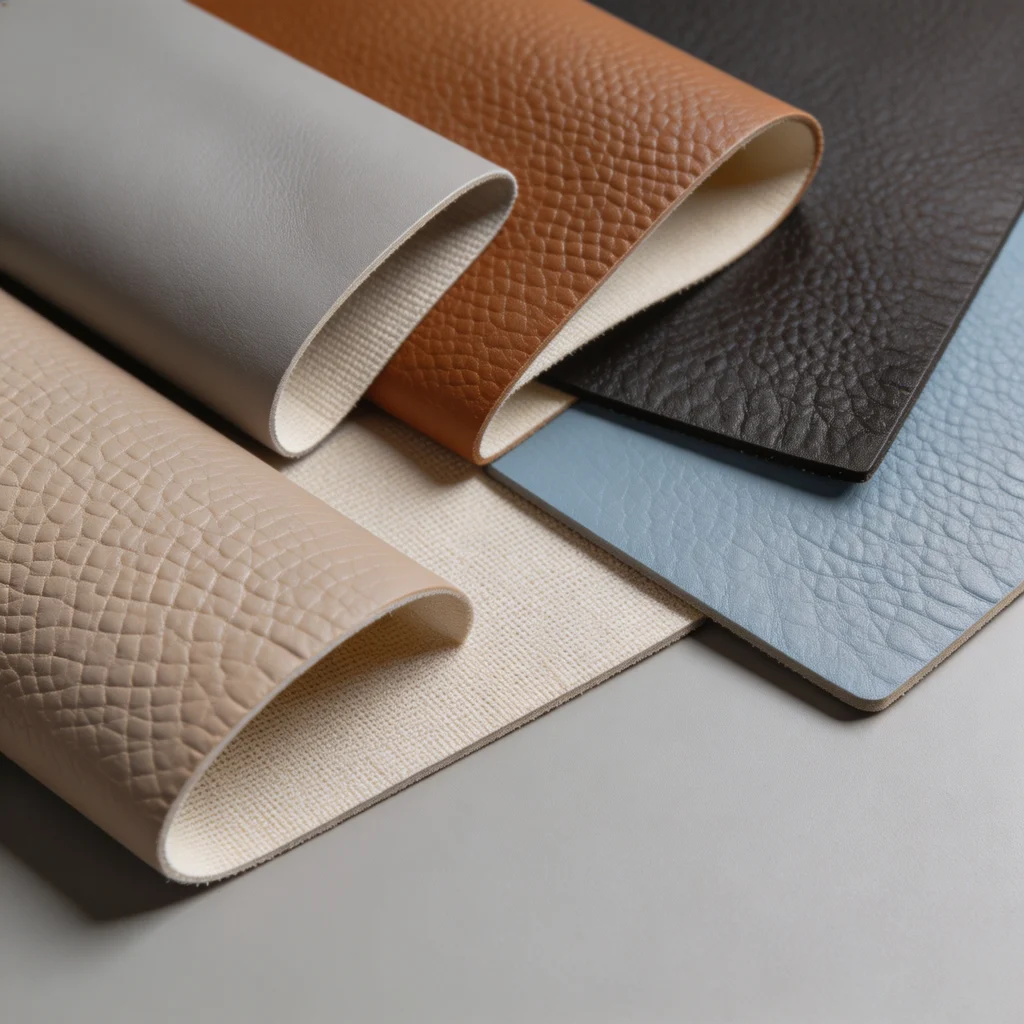
Danhon focuses on PU artificial leather for shoes, bags, garments, gloves, jewelry boxes and packaging. Buyers can compare material directions according to color, texture, thickness, backing fabric, hand feel, embossing and surface finish rather than relying on the product name alone.
When a project starts with a term such as PU faux leather fabric, providing the final application and a reference sample can make the next discussion much more useful. Physical swatches can then help compare whether the surface and complete construction match the intended product before bulk material confirmation.
Final Takeaway
PU faux leather fabric is a useful sourcing term because it tells buyers and suppliers three things at once: the material is leather-like, PU is part of its material direction, and it is being discussed as a flexible manufacturing material. What it does not provide is a complete description of construction, backing, thickness, finish, hand feel or application performance.
For manufacturers and material buyers, that is the key distinction. Use PU faux leather fabric as the starting name for material discovery, then turn it into a real specification through application details and physical sample confirmation. A clear material name helps start the conversation, but the actual sample should decide whether the material is right for production.
Frequently Asked Questions
What if a customer's purchase system only accepts the name "PU faux leather fabric"?
Retain that commercial name but attach a controlled construction specification and sample reference. Make clear which document governs when the short system description is ambiguous.
What if an invoice says fabric but the packing list says artificial leather?
Ask the supplier to reconcile the descriptions against the same material code and construction. Keep commercial naming consistent, while having the responsible trade adviser determine any customs treatment.
How should a buyer record a PU face over a backing containing another polymer?
Describe the confirmed face and backing separately in the construction record. Avoid shortening that description into a claim that the complete laminate consists only of PU.
Can a supplier catalog revision change the meaning of an existing material code?
Request the catalog version and a written explanation of any changed construction. Keep the approved sample linked to its original revision until the buyer accepts a replacement.
How should a quotation resolve conflicting material names in translated documents?
Ask the supplier to confirm the construction and identify the governing specification in writing. Do not assume a translated trade term establishes the same polymer, substrate or manufacturing route.
Compare PU Faux Leather Fabric for Your Project
If you are sourcing PU faux leather fabric for bags, shoes, garments, gloves or packaging, start with the finished application and the material characteristics that matter to your product. Share your color, texture, thickness, backing, hand-feel direction and any physical reference so suitable samples can be compared before final material confirmation.
Contact Danhon for PU Leather Samples and Custom Material Support to discuss your material requirements and sample direction.