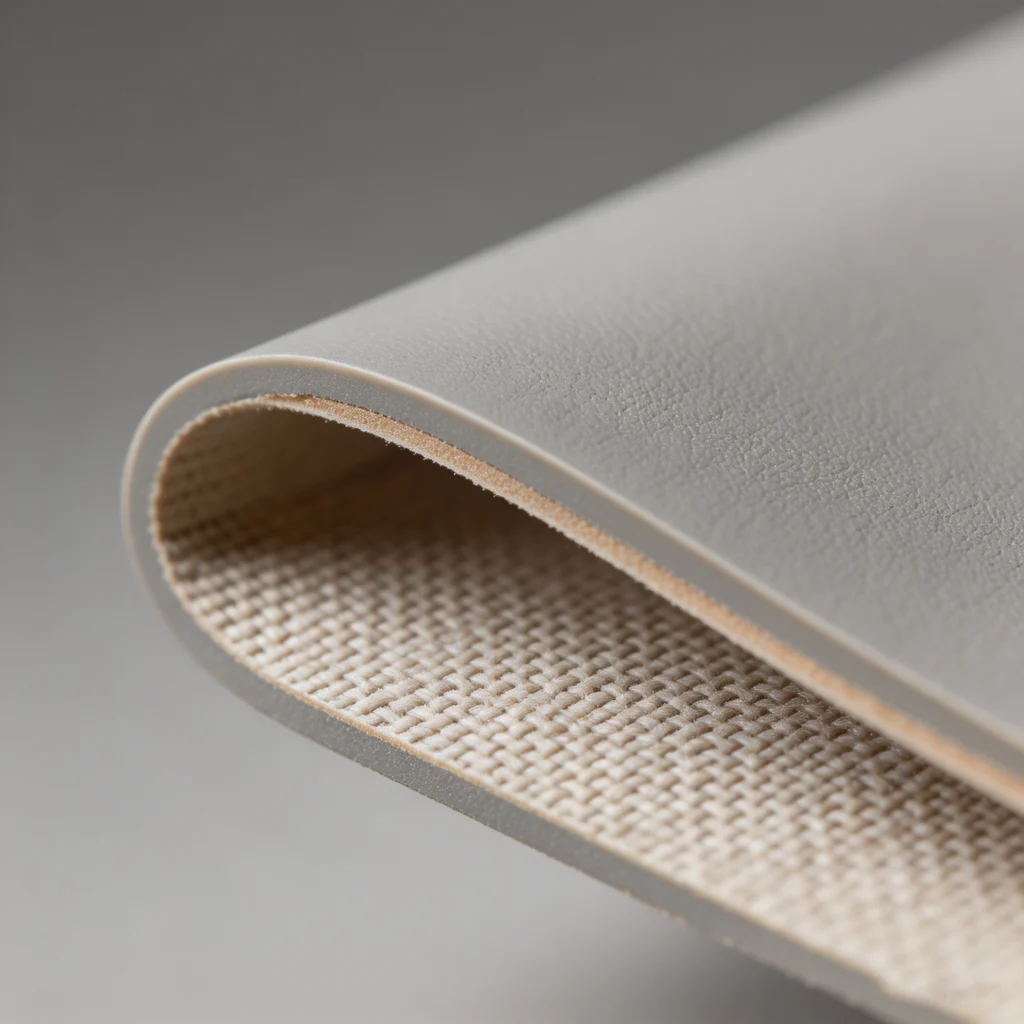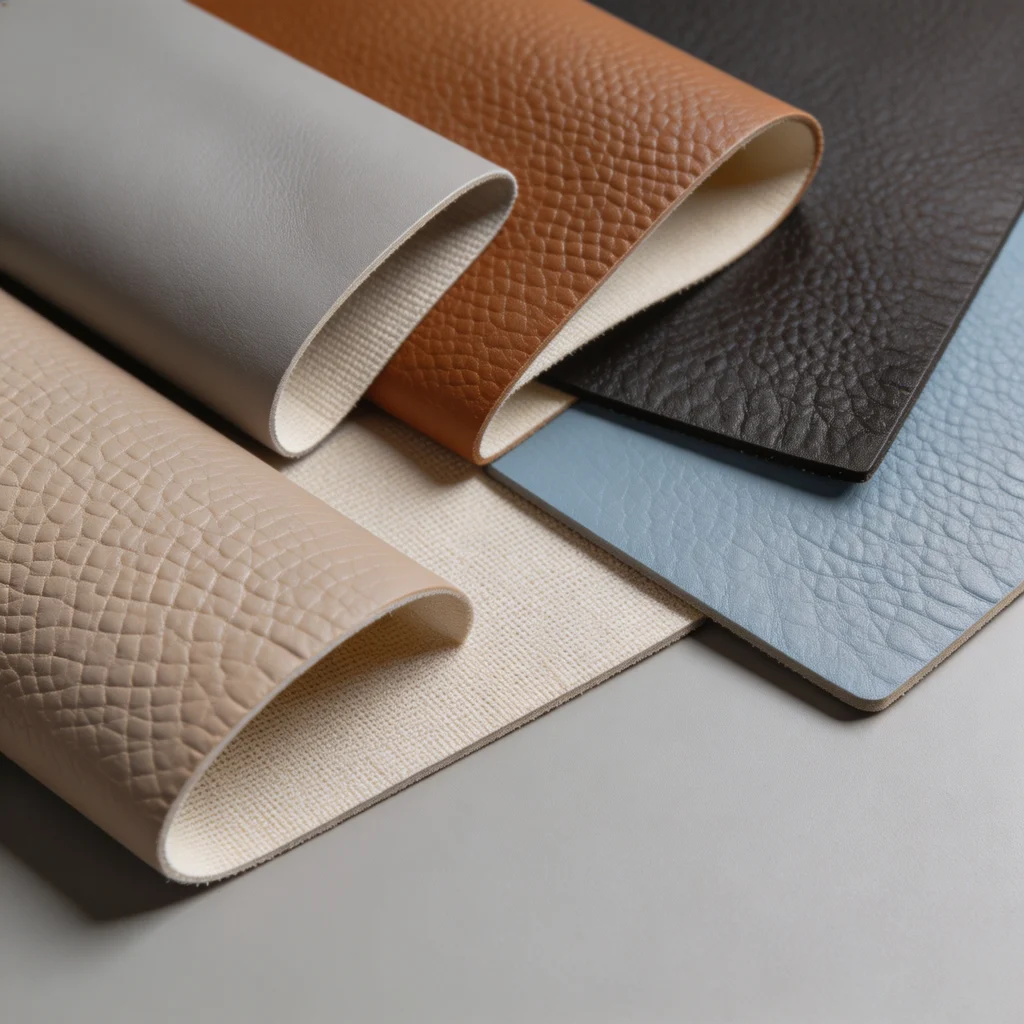
Does PU Leather Peel? The Short Answer
Yes, PU leather can peel, but peeling is not an automatic short-term result of every PU leather material. It normally occurs when part of the coated surface or the bond between material layers loses integrity after aging, repeated movement, abrasion, environmental exposure, or unsuitable use. For B2B buyers, the more useful question is therefore not simply “does PU leather peel?” but “which construction is being used, where could it fail, and how should that risk be evaluated before production?”
PU leather quality also cannot be judged by surface appearance alone. Two materials may have a similar grain, color and thickness while using different coating systems, bonding layers and textile backings. Those differences can influence how the material responds to bending, rubbing, humidity, heat and the processing conditions of the finished product.
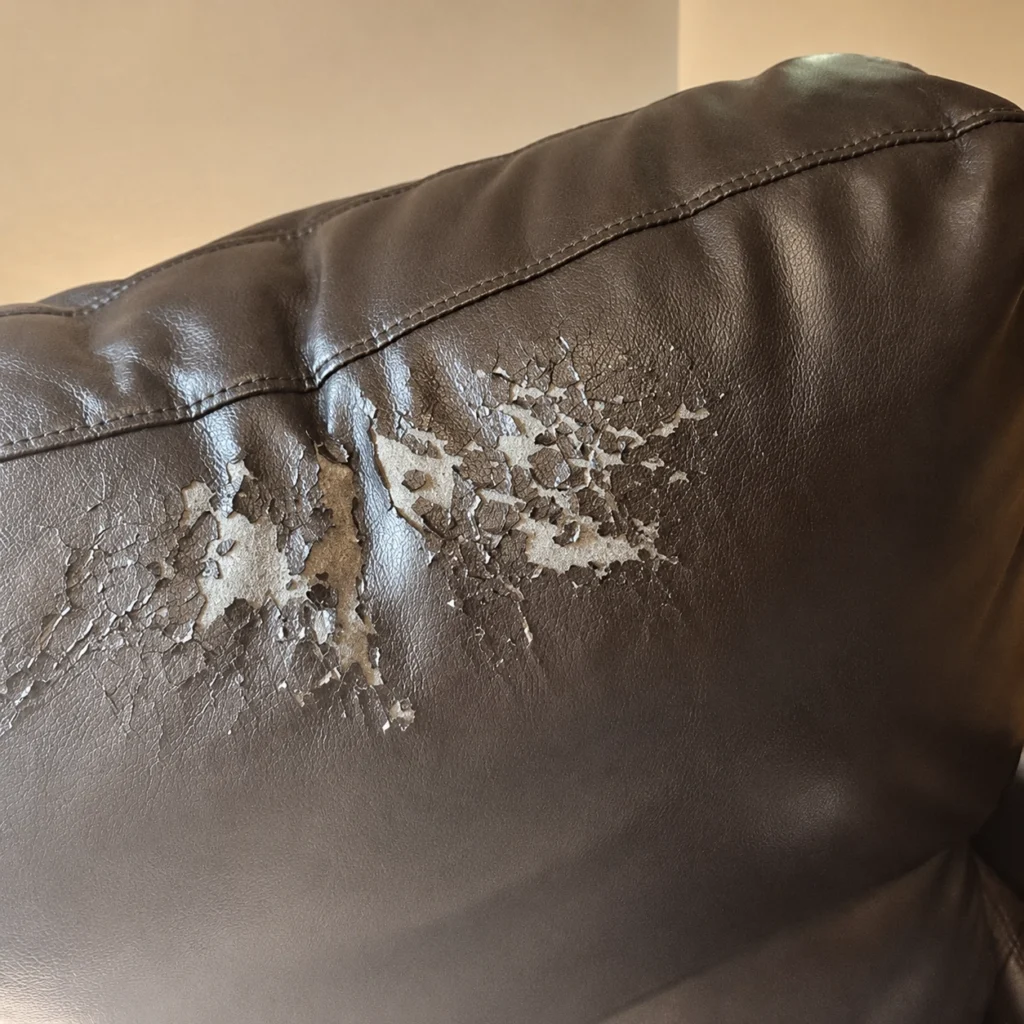
Peeling and Cracking Are Not the Same Failure
PU leather peeling and PU leather cracking are often described as the same problem, but they are different failure modes. Cracking normally refers to breaks that form within the visible surface when the coating loses enough flexibility or is repeatedly stressed. Peeling refers more directly to material lifting, flaking or separating from a layer underneath.
One condition can lead to the other. A surface may first develop fine cracks around a folding or flexing area, and those damaged edges can later lift or separate further. However, buyers should still distinguish them because a cracking problem, an abrasion problem and an adhesion problem may require different material changes or test methods.
This distinction becomes especially important during sample review. If the surface is worn away by rubbing, the problem is not automatically poor coating adhesion. If an intact surface film lifts away from the layer below it, interlayer bonding becomes a more important question.
Where PU Leather Peeling Actually Starts
A textile-backed PU artificial leather is a layered material rather than one solid sheet. Depending on its construction, the material can include a surface finish, one or more polyurethane layers, an intermediate or bonding layer and a woven, knitted or nonwoven supporting substrate. Danhon’s existing dry-process guide describes transfer coating as one common route in which the visible PU surface is formed before being combined with a textile backing.
This means that visible peeling can have more than one origin. Separation may occur within the coating system, between coating layers, close to the bonding interface, or between a coated layer and its supporting substrate. A buyer who only reports “the PU peeled” may therefore give the supplier too little information to identify the real failure.
When a problem occurs, photographs of both the damaged surface and exposed underside are useful. A returned finished product is even better because the location of the failure often gives important clues. Damage around a fold, seam, shoe flex zone or repeatedly handled bag edge tells a different story from broad separation across a flat panel.
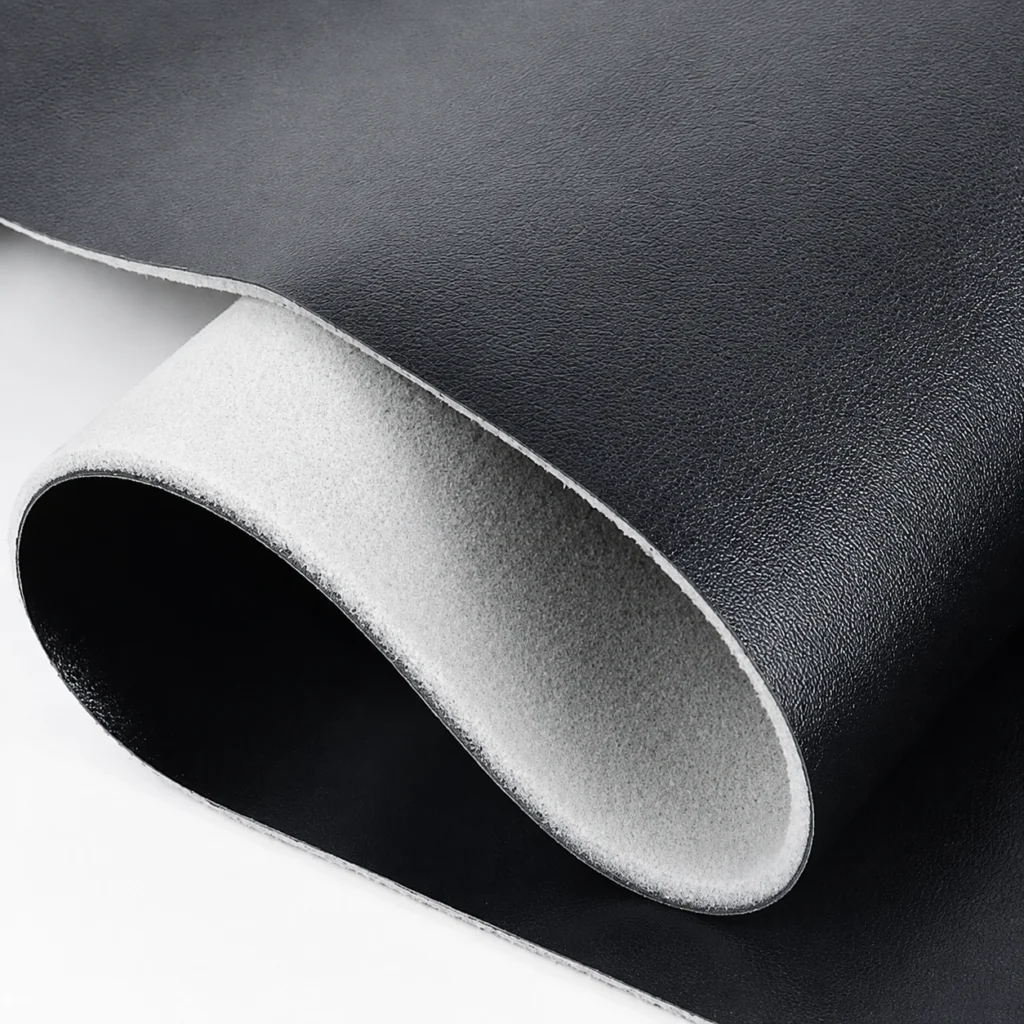
Why Two PU Leather Materials Can Age Very Differently
The words “PU leather” identify a material direction, not one fixed quality grade. Existing Danhon material guidance already shows that backing, coating construction, surface finish and complete material structure can make materials with similar appearances behave differently in production.
Coating adhesion is one important part of that construction. If the interface between layers is weak for the intended use, repeated movement can gradually enlarge a small separation. Backing stability matters as well because the coating and textile substrate must continue working together while the finished product is folded, stretched, stitched or formed.
Thickness should not be used as a shortcut for quality. A thicker PU layer does not automatically provide stronger adhesion or better hydrolysis resistance, while a thinner construction is not automatically more likely to peel. The complete coating formulation, backing, bonding system, finishing process and application conditions matter more than one thickness number alone.
Heat, Humidity, Flexing and Abrasion Change the Risk
Environmental aging matters because polyurethane materials can be affected by heat and humidity depending on their chemistry and construction. SATRA TM344, for example, describes accelerated hydrolysis conditioning for polyurethane footwear materials before properties such as flex cracking, coating adhesion and rubbing performance are evaluated. This is useful evidence that hydrolysis should be treated as a measurable material-performance issue rather than a vague claim about whether PU leather is “good quality.”
Mechanical stress creates a different challenge. A shoe upper bends repeatedly near flex lines, while a backpack may receive more rubbing at its base, corners, pockets and zipper areas. ISO 5470-2:2021 addresses wet and dry abrasion resistance of coated fabric surfaces, showing why abrasion should be evaluated separately from hydrolysis or interlayer adhesion.
The important sourcing lesson is that one PU leather cannot be judged outside its application. A material used successfully on a decorative box panel may face very little flexing, while the same surface construction may behave differently on a shoe upper or frequently folded bag component. Buyers should define where the material will be used before deciding which failure risks deserve testing.
What Buyers Should Check Before Approving PU Leather
A physical sample should be evaluated as a complete material rather than as a decorative surface. Buyers should inspect the grain and finish, then turn the material over, examine the backing and look closely at a clean cut edge. Bending the sample in several directions can also reveal how the surface, coating and textile base behave together.
For applications that will be sewn or folded, a representative material trial provides more useful information than a flat swatch. A bag buyer can stitch a corner or folded edge, while a footwear buyer can review the material after forming and repeated bending. This does not replace formal testing, but it can identify obvious construction mismatches before a bulk material is approved.
A practical approval review may include:
- coating and backing appearance;
- thickness and construction consistency;
- repeated folding or flexing at relevant positions;
- rubbing or abrasion requirements;
- coating adhesion or peel-strength requirements where appropriate;
- hydrolysis evaluation when heat and humidity exposure matter;
- tensile, tear or other physical requirements when relevant to the finished product;
- comparison with the final lining, reinforcement or supporting components;
- retention of an approved physical sample as the production reference.
The exact list should depend on the project. A jewelry box covering and a shoe upper should not automatically use the same performance specification simply because both are PU leather.
Do Not Use One “Durability” Test to Answer Every Question
One common purchasing mistake is asking whether a material has “passed the durability test.” There is no single universal test that proves a PU leather will resist every type of cracking, peeling, abrasion and environmental aging. Each method evaluates a defined property under defined conditions.
Abrasion testing focuses on surface wear. Hydrolysis conditioning examines how susceptible polyurethane materials may be to hot and humid aging before other properties are reviewed. Coating adhesion or peel testing addresses another part of the material system, while flex testing is more relevant where the finished product repeatedly bends.
This is also why a test report should be connected to the actual material being purchased. Danhon publishes examples of third-party material reports covering chemical and physical test items, but one report should not automatically be applied to every color, construction or future material.
Common Buyer Mistakes That Increase Peeling Risk
The first mistake is approving material from photographs. A photo can communicate color, grain and general appearance, but it cannot show coating adhesion, backing stability, flex response or hydrolysis behavior. A beautiful surface can therefore create false confidence when the physical construction has not been reviewed.
Another mistake is requesting “non-peeling PU leather” without describing the product. The supplier still needs to know whether the leather will be used on shoes, handbags, garments, gloves or packaging, and which areas receive the most movement or rubbing. Turning a vague durability request into an application-specific requirement produces a much more useful sourcing discussion.
Buyers also create risk when several specifications are changed after a sample has already been approved. Changing the backing, surface finish, coating direction or another important construction detail can alter the final material. If a significant construction change is made, the revised sample should be treated as a new approval reference.
How to Reduce PU Leather Peeling Risk Before Production
Reducing PU leather peeling risk begins before bulk production, not after finished products have failed. Buyers should first define the application, high-stress areas, expected environment and important performance requirements. The supplier can then compare material directions and decide which sample or test checks are actually relevant.
In our material selection experience, a simple side-by-side comparison is often more useful than asking for one material described as “the most durable.” Compare several candidate samples with similar appearance, then examine their backing, flexibility and behavior after realistic folding or handling. This makes the tradeoffs easier to see and avoids turning durability into an unsupported marketing label.
For custom projects, final material confirmation should use the same color, surface, backing and construction intended for production whenever practical. At Danhon, buyers can discuss physical samples, application requirements and relevant testing directions before bulk material approval. Final performance should still be confirmed according to the actual project rather than assumed from the PU leather name.
Key Takeaways
- PU leather can peel, but peeling is not a guaranteed immediate outcome of every PU material.
- Peeling, cracking and abrasion are different failure modes.
- The complete coating and backing construction matters more than surface appearance alone.
- Heat, humidity, flexing and rubbing may create different performance risks.
- A thicker material is not automatically more resistant to peeling.
- Test requirements should match the final application.
- One test cannot prove every aspect of PU leather durability.
- Final approval should use representative physical samples and project-specific requirements.
Frequently Asked Questions
Should a peeling complaint be repaired before representative evidence is retained?
Keep an untreated example and record the failure location before attempting repair. Cleaning, recoating or rebonding can change the evidence needed to investigate the original separation.
How can a buyer distinguish a clean interface separation from torn backing?
Record which surfaces remain on each side and retain close-up images and physical pieces. Ask the technical reviewer to identify the failure layer rather than labeling every lifted surface as the same peeling mechanism.
What if delamination appears only beside a laser-cut edge?
Compare mechanically cut and laser-cut specimens from the same material under recorded settings. Review localized heat damage and subsequent handling before attributing the problem to the whole roll.
Can an edge-sealing change close a peeling complaint without another assembly trial?
Check whether the change protects the affected location without masking separation elsewhere. Retain the revised edge process and compare representative finished parts before releasing the correction.
What should buyers retain when a customer reports peeling?
Keep the failed article, unused material from the same lot and the approved reference with storage and care information. These records help distinguish material separation from damage associated with assembly, exposure or handling.
Discuss Your PU Leather Application Before Bulk Production
If peeling, cracking or surface durability is an important concern for your project, start with the finished application rather than a general durability claim. Share your product type, material position, reference sample, preferred surface, backing direction and relevant test requirements so suitable PU leather options can be compared before production.
Contact Danhon for PU Leather Samples and Custom Material Support