Quick Answer: Waterborne and Solvent-Free PU Are Not the Same
Waterborne PU leather and solvent-free PU leather are two different material and production directions. Waterborne PU normally uses water as the main dispersion or carrier medium for the polyurethane system, while solvent-free PU generally avoids using a conventional organic solvent carrier during the relevant coating or film-forming process. Neither term alone proves that a finished synthetic leather is sustainable, low impact, compliant with a particular regulation, or suitable for a specific product.
For B2B buyers, this distinction matters because a supplier may describe one coating layer as water based PU leather while other layers, adhesives or finishing systems use different chemistry. A waterborne formulation may also contain some organic co-solvent depending on the formulation and process. The practical sourcing question is therefore not simply which label sounds greener, but what the complete material construction actually uses and what evidence is available.
Key Takeaways
- Waterborne PU and solvent-free PU are not interchangeable terms.
- Waterborne describes a system in which water is the main dispersion or carrier direction.
- Waterborne does not automatically mean zero organic solvent.
- Solvent-free describes a different formulation or processing approach and still needs technical verification.
- Neither term automatically proves sustainability, REACH compliance, durability or better product performance.
- Buyers should compare physical samples, technical information and relevant test documentation before approval.
Waterborne PU Leather and Solvent-Free PU Leather Reduce Solvent Dependence in Different Ways
Waterborne polyurethane is usually supplied as polyurethane particles dispersed in water rather than relying mainly on a traditional organic solvent carrier. During coating and film formation, much of the liquid phase removed from the coating is therefore water. This is one reason waterborne polyurethane has attracted attention in coatings, textiles and synthetic leather development where reducing conventional solvent use is an important objective.
However, the word “waterborne” should not be read as “contains only water.” Some waterborne coating formulations can contain small quantities of organic co-solvents, additives or processing aids. The exact formulation varies, so a buyer who requires a specific VOC or solvent limit should ask for technical information instead of approving the material from its name alone.
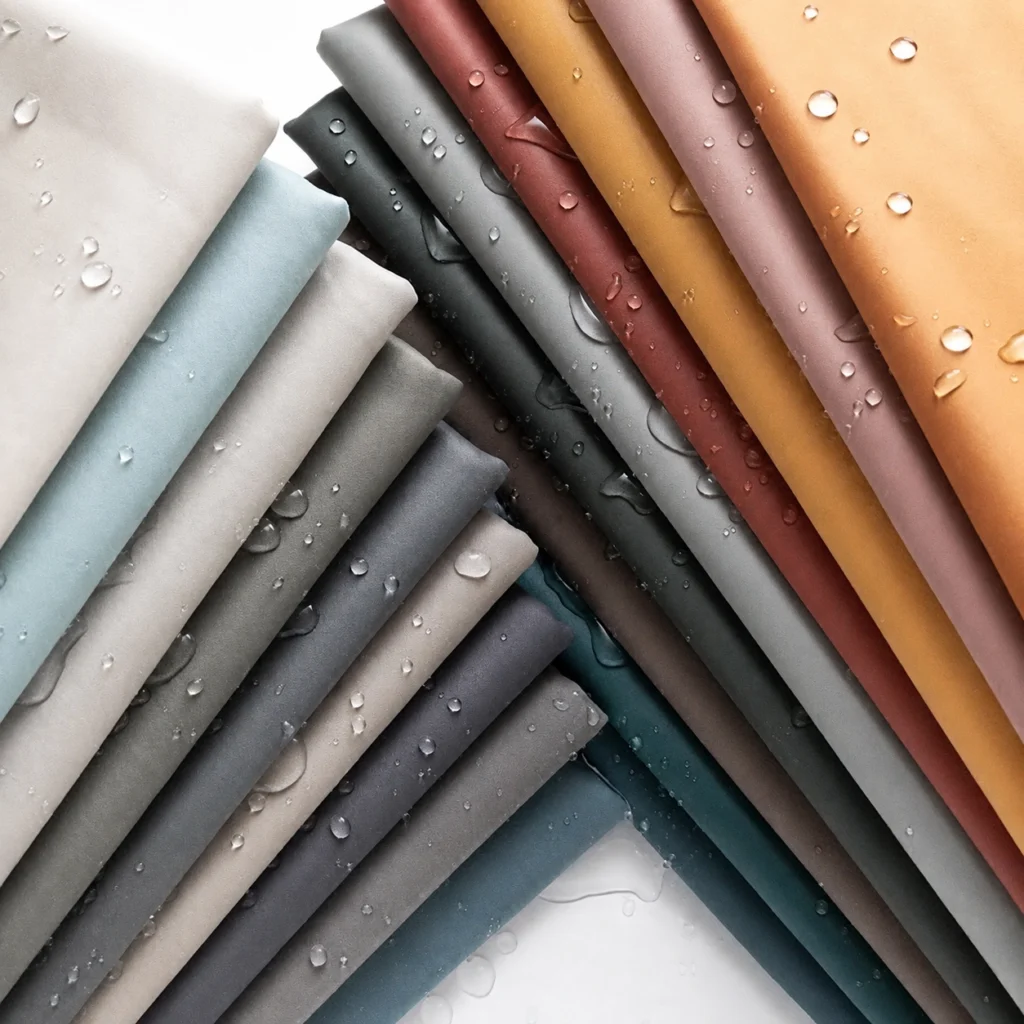
Solvent-free PU follows a different route. In many systems, reactive PU components form the required polymer layer without depending on the evaporation of a conventional organic solvent carrier. This can reduce the role of solvents in the coating stage, but the exact chemistry, curing conditions and material construction still vary between suppliers and processes.
| Buyer Question | Waterborne PU Leather | Solvent-Free PU Leather |
|---|---|---|
| Main process direction | PU dispersed mainly in water | PU system designed without conventional solvent carrier in the relevant coating process |
| Does the name prove zero solvent? | No | The specific claim still needs verification |
| Main sourcing interest | Reduced dependence on conventional solvent-borne coating systems | Avoiding conventional solvent carrier in the defined PU process |
| Is it automatically sustainable? | No | No |
| Is it automatically REACH compliant? | No | No |
| Does it guarantee better durability? | No | No |
| What should buyers verify? | Formulation, co-solvent information, coating layers, VOC or residual solvent data where required | Scope of the solvent-free claim, coating chemistry, curing process, other material layers and supporting documents |
The most important point is that these terms describe process or formulation directions. They are not complete material specifications. Thickness, backing, surface finish, PU construction, additives and the intended product still influence whether the material is suitable.
One Waterborne Layer Does Not Make the Entire Synthetic Leather Waterborne
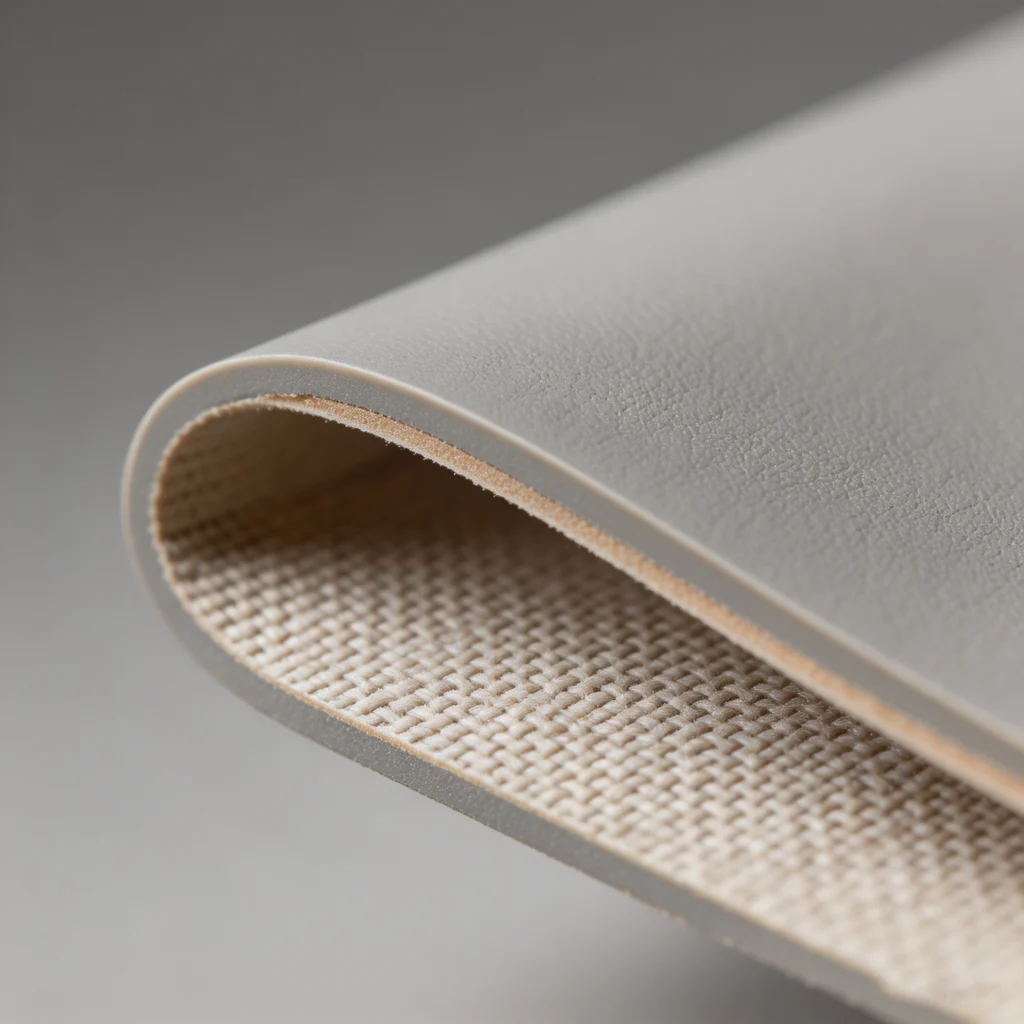
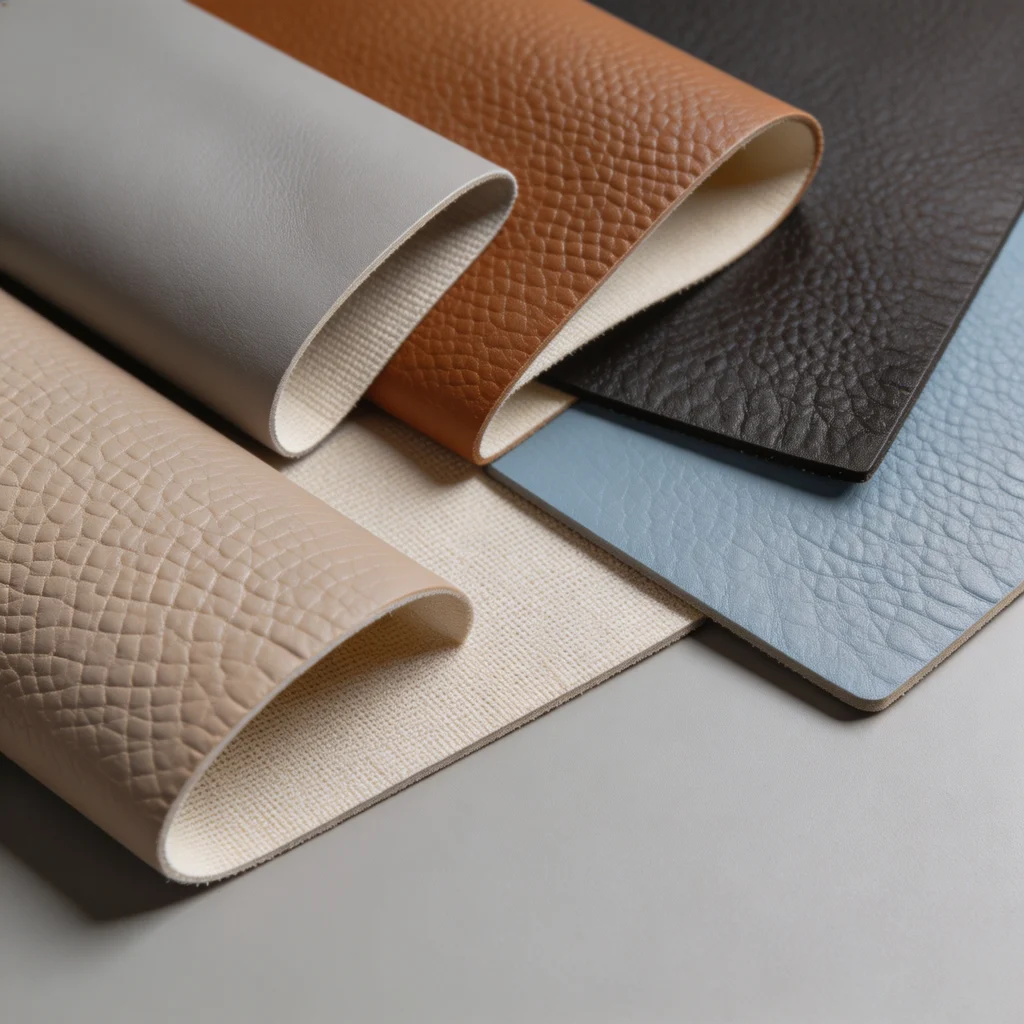
Synthetic leather is normally a multi-layer material rather than one single polymer film. Depending on the construction, it may include a surface finish, color or effect layer, main PU layer, bonding layer and textile backing. Different layers do not necessarily use the same resin or processing technology.
This creates an important sourcing problem. A supplier may legitimately use a waterborne polyurethane in one part of the material, but that does not automatically establish that every coating, adhesive and finishing layer follows the same system. Buyers making a material claim about the finished leather should therefore ask exactly which layer the term “waterborne” or “solvent-free” describes.
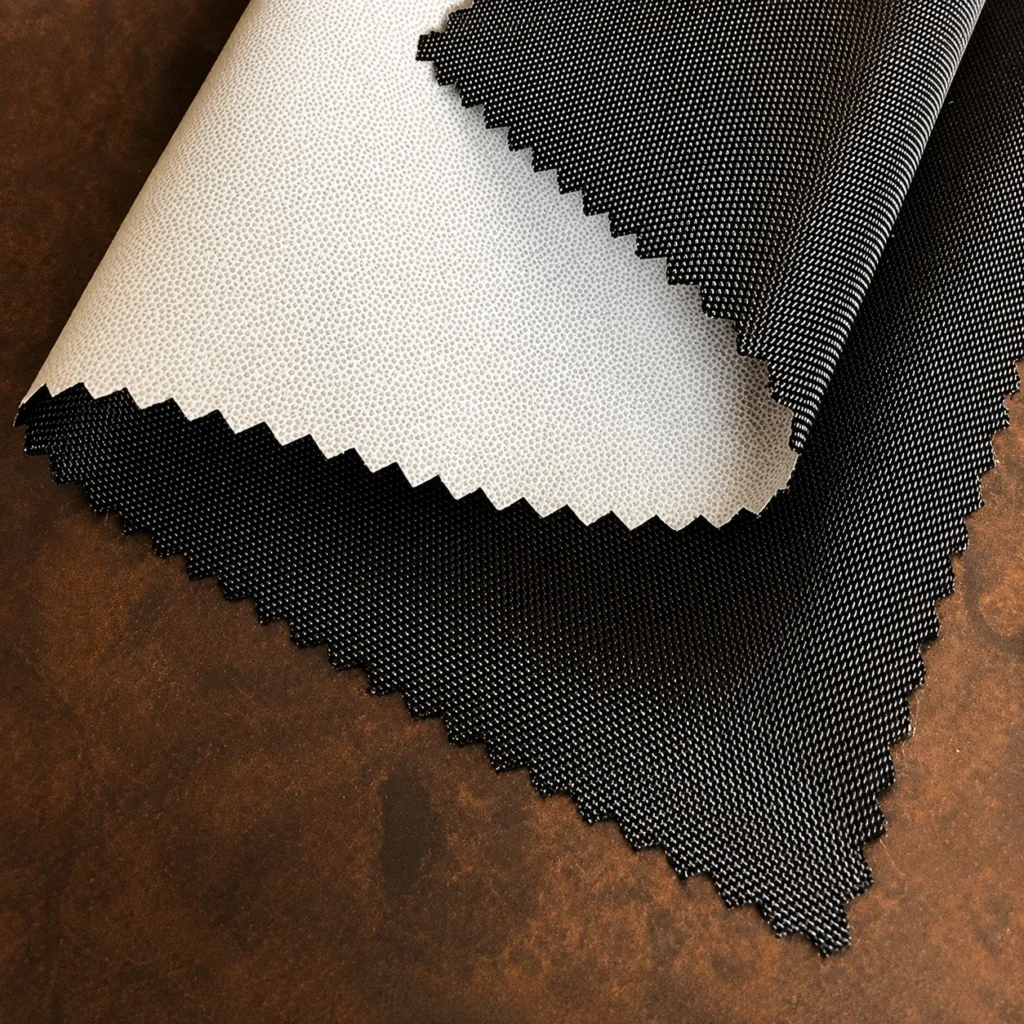
The same caution applies to dry-process PU leather. Dry process describes a manufacturing route in which PU layers can be formed and transferred before being combined with a textile backing. It does not by itself prove that the material is waterborne, solvent-free, recycled or biodegradable.
Lower Solvent Use Does Not Remove the Need to Check Performance
A change in coating technology can affect how a PU film forms, bonds and performs, but the material name cannot predict the final result. Waterborne PU technology has developed significantly, yet formulation still influences properties such as film formation, water sensitivity, adhesion, flexibility and mechanical behavior. Solvent-free PU systems also depend on resin chemistry, reaction control, coating structure and curing conditions.
For bag materials, buyers still need to evaluate whether the leather has the required body, flexibility, surface stability and backing support. A material promoted with an environmental technology may still be too soft for a structured handbag or too firm for a flexible pouch. Surface grain, thickness and backing should therefore be evaluated together with the coating direction.
Shoe materials create another challenge because repeated bending can expose differences that are difficult to see on a flat swatch. A shoe upper should be checked for flexing behavior, surface change, adhesion and the requirements of the specific footwear design. Choosing waterborne or solvent-free PU should not replace the normal sample approval process.
“Eco PU Technology” Is Too Broad for a Purchasing Specification
Terms such as eco PU technology, green PU and environmentally friendly PU may sound useful in early sourcing discussions, but they are not precise specifications. Different suppliers may use these terms for waterborne polyurethane, solvent-free processing, recycled content, bio-based components, reduced solvent use or another environmental direction. Unless the intended meaning is defined, two suppliers may quote completely different materials against the same RFQ.
A better purchasing specification separates the process claim from the material requirement. Instead of requesting only “eco-friendly water based PU leather,” a buyer can state the product application, required thickness, backing, surface finish and target market, then separately define whether waterborne coating, solvent-free processing, residual solvent limits or specific documentation is required. This makes quotations and sample comparisons more meaningful.
Buyers should also identify the scope of the claim. If only the surface coating is waterborne, that should not automatically become a claim that the entire finished material is waterborne. Clear wording becomes especially important when a brand intends to repeat the claim on packaging, product pages or marketing materials.
What Buyers Should Ask a Supplier to Verify
A useful technical discussion should begin with the complete material rather than one environmental keyword. Buyers should tell the supplier what product will be made, how the leather will be processed and which market the finished product will enter. This allows the supplier to separate essential material requirements from optional environmental directions.
Before approving waterborne PU leather or solvent-free PU leather, ask which layer uses the stated technology and whether other coating or bonding layers follow a different system. Buyers can also request an available technical data sheet, safety information, material declaration or relevant residual-solvent test information when the project requires it. The exact documentation will depend on the supplier, formulation, product and target-market requirements.
Physical specifications remain equally important. The sourcing brief should include thickness, backing fabric, grain, surface finish, color, hand feel and intended processes such as cutting, stitching, folding, embossing, lamination or forming. A technically interesting PU system is still the wrong material if it cannot perform correctly in the finished product.
U.S. and European Buyers Should Separate Process Claims From Compliance Claims
For the U.S. market, environmental marketing language should be handled carefully. Describing a material as waterborne or solvent-free may communicate a specific process feature, but it does not justify a broad claim that the material or finished product is environmentally friendly in every respect. Brands should make sure the wording reflects the evidence they actually have.
European sourcing teams may also pay particular attention to solvents such as N,N-dimethylformamide, commonly known as DMF, in relevant polyurethane manufacturing processes. DMF is covered by REACH Annex XVII restrictions concerning industrial and professional exposure, including requirements that became applicable to its use as a solvent in direct or transfer polyurethane coating processes for textiles from December 12, 2024. This does not mean that a waterborne or solvent-free label automatically proves REACH compliance, because compliance needs to be assessed against the actual substance, material, process and applicable requirements.
The safest purchasing approach is to keep three questions separate. First, what production technology is used? Second, what chemical or environmental documentation supports the required claim? Third, does the final material meet the physical and commercial requirements of the product?
Compare Equivalent Samples Before Deciding Which PU Technology Works Better
A fair comparison requires comparable materials. If a buyer compares a soft 0.7 mm waterborne sample with a firm 1.2 mm solvent-free sample using different backing fabrics and grains, most differences in hand feel may come from construction rather than the environmental technology. The samples should be as similar as practical in thickness, backing, texture and intended application.
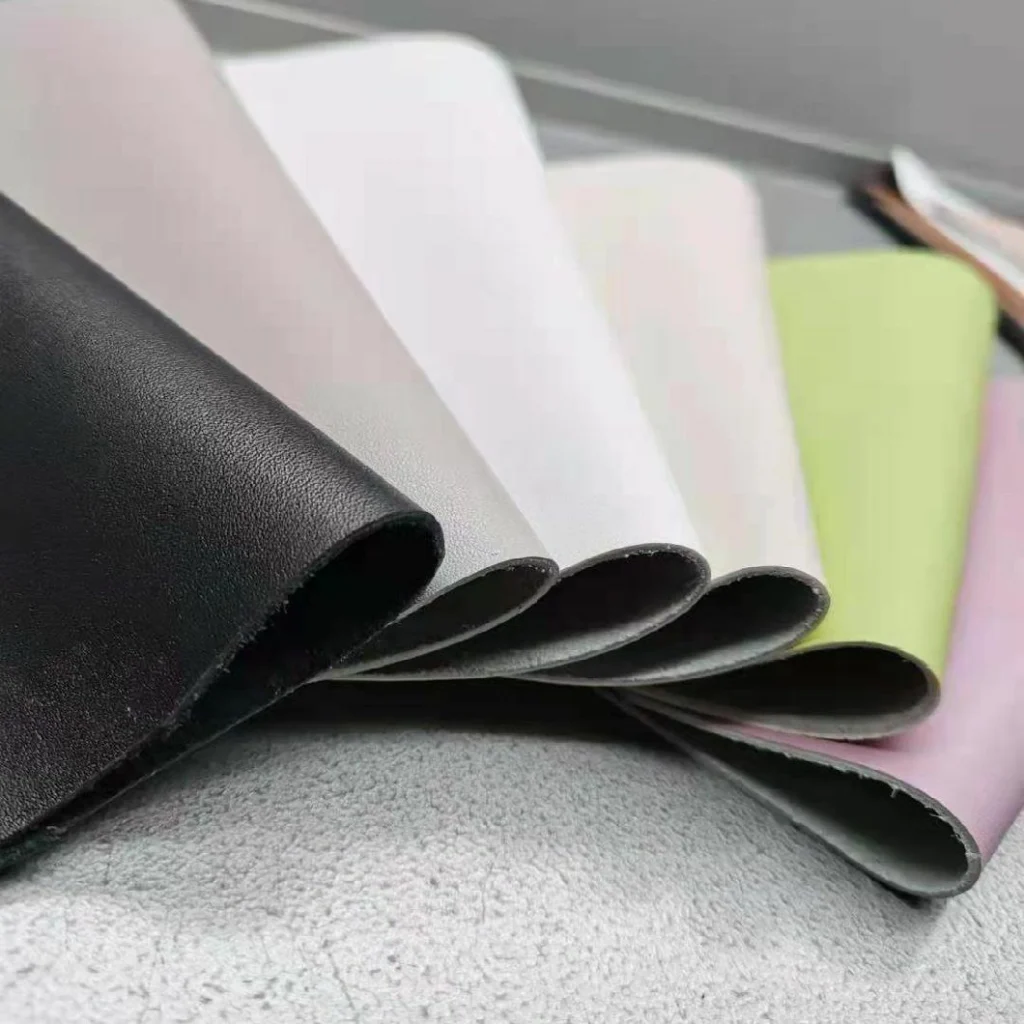
For a bag project, a useful trial can include cutting, stitching, folding, edge construction and assembly with the actual reinforcement. For footwear, the buyer may need flexing, adhesion, abrasion or other tests according to the design and performance specification. Tests should be selected for the finished application instead of assuming one PU technology will always outperform another.
Production consistency also needs attention. A first sample may look correct, but buyers should clarify whether the approved technology, coating structure, color and backing will remain the same for bulk production. Any significant formulation or construction change may justify a new approval or testing review.
How Danhon Approaches Lower-Impact PU Material Discussions
Danhon currently focuses on PU artificial leather and dry-process material development for shoes, bags, garments, gloves, jewelry boxes and packaging. When a project includes waterborne, solvent-free or another lower-solvent requirement, the requirement should be treated as a technical sourcing condition rather than a general marketing label. Availability, material construction and supporting information should be checked for the specific project before any claim is used.
For material development, buyers can provide a reference sample together with the product application, color, texture, thickness, backing, hand feel and target-market requirements. Comparing the environmental direction together with the physical specification helps prevent a common problem: approving an attractive material claim before confirming whether the leather actually works in production.
Final Takeaway
The most useful way to understand waterborne PU leather vs solvent-free PU leather is to treat them as different technology directions rather than two names for the same material. Waterborne polyurethane mainly changes the carrier or dispersion system, while solvent-free PU follows a route intended to avoid a conventional solvent carrier in the relevant PU process. The exact formulation and complete synthetic leather construction still need verification.
For B2B sourcing, neither technology should be selected from environmental wording alone. Buyers should confirm which layers use the technology, what documentation supports the claim, whether target-market requirements apply, and how the physical sample performs in the actual product. A specific and verifiable material description is more useful than a broad “eco PU” label.
Frequently Asked Questions
What if a supplier's solvent-free declaration covers only one coating layer?
Record that boundary explicitly and request separate information about the other layers where relevant. Limit any downstream wording to the supported scope instead of extending the statement to the complete laminate.
How should buyers compare a wet resin declaration with a finished-leather specification?
Ask which figures describe the supplied liquid formulation and which describe the cured laminate. Keep their units and material basis separate; a percentage for wet resin cannot be copied directly into the finished-material specification.
What if a supplier uses WBPU and PUD as interchangeable quotation abbreviations?
Request a definition of each abbreviation in that quotation and identify the layer it describes. Retain the confirmed wording with the construction record instead of inferring the complete process from initials.
What should buyers clarify before changing adhesive during a waterborne-material trial?
Record adhesive identity, application conditions and the approved laminate version. Review bonding and relevant claim boundaries on the revised assembly rather than attributing every change to the PU carrier system.
Does changing to a waterborne route allow an old environmental comparison to be reused?
Review whether the process, construction and assessment assumptions still match the new material. Update the evidence or qualify the comparison instead of assuming a process label preserves the earlier conclusion.
Discuss PU Leather Samples and Material Requirements
If your project is comparing conventional PU, waterborne PU leather, solvent-free PU leather or another lower-solvent material direction, start with the finished product specification. Share the application, reference sample, thickness, color, texture, backing, hand feel, processing requirements and target market so the material direction can be reviewed together rather than as a single environmental label.
Contact Danhon for PU Leather Samples and Custom Material Support.